At a time when job-hopping is common – even expected, especially among the younger generation – there are still many who have chosen to build long-term careers in the same organisation.
Their reasons go beyond loyalty. For some, it’s about continuous opportunities to learn. For others, it’s the relationships they have built, the trust they have earned or a workplace that aligns with their values.
Career success now is no longer measured solely by the number of years spent in one company. For many, it’s about whether what they do remains meaningful, whether they continue to grow, and whether their careers support their lives beyond the office.
Three Malaysians offer their perspectives on what keeps people committed to an organisation – and what success means in today’s evolving world of work.
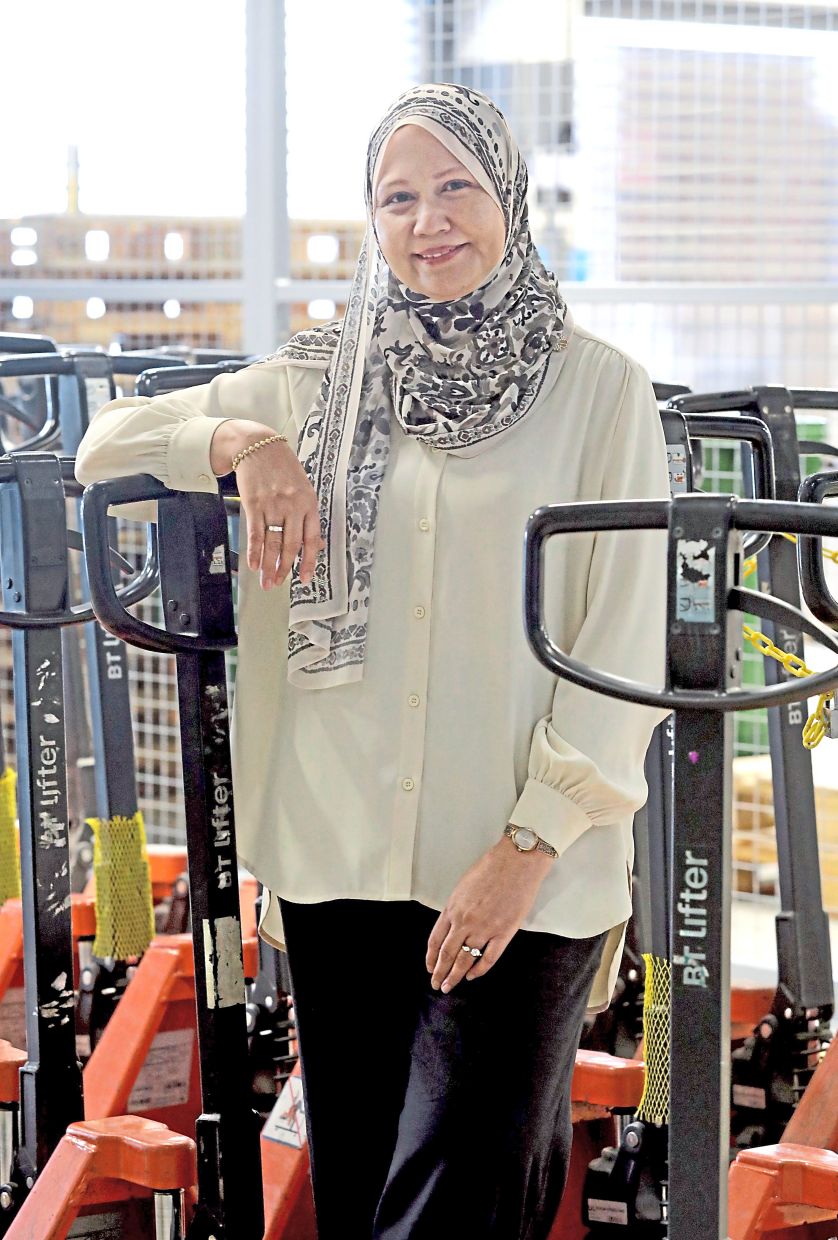
Having studied Business Administration majoring in transport, she had imagined herself working in an airline or the shipping industry. Instead, she found herself applying for a logistics executive position with the Swedish home furnishing company that had just opened its store in Malaysia.
Thirty years later, she is now the company’s regional commercial network manager, overseeing expansion projects across the region.
Looking back, she says she hadn’t stayed because it was familiar, but because she saw opportunities to keep growing.
“I saw how the company invested in its people,” she says. "Even as a young executive, I was exposed to leadership development, coaching and mentoring. And as the company expanded from a single Malaysian store into a regional operation, I saw new paths for employees willing to learn.”
Her own career evolved from ensuring products reached stores in time to leading commercial network initiatives across multiple markets.
The company’s willingness to invest in its employees, she says, gave her confidence that she could build a long-term future with the organisation.
Equally important, she says, is workplace culture. On the wall behind her desk is the word “Tillsammans” which embodies this ethos.
“In Swedish culture, this refers to ‘togetherness’, namely the power of teamwork, collective intelligence and the belief that we all win when we cooperate,” she explains.
Roszalena admits when she was young, she wondered whether she should pursue what she considered a more “glamorous” career in the transport sector. Instead, she chose to stay.
She says a collaborative environment, relatively flat management structure and emphasis on people, convinced her she could continue building both her career and her family life there.
Timing mattered too.
“The year I started work was the same year I got married. As our family grew from one to four children, having a workplace that supports work-life balance became increasingly important.”
Roszalena credits her husband and extended family for providing the support that enabled her to manage both family and career.
“When you’re at work, focus on your work. When you’re at home, be present with your family,” she advises.
Today, with three decades of experience, one lesson continues to shape her leadership style: mistakes should be opportunities for learning, not for blaming.
She recalls one early incident involving a significant overstock issue that she feared would derail her career. But instead of assigning fault, her superior focused on solving the problem together.
That experience left a lasting impression.
“It wasn’t about who made the mistake. It was about how we worked together to fix it.”
She now tries to pass those same values on to younger colleagues, encouraging them to step outside their comfort zones while offering guidance drawn from her own experiences.
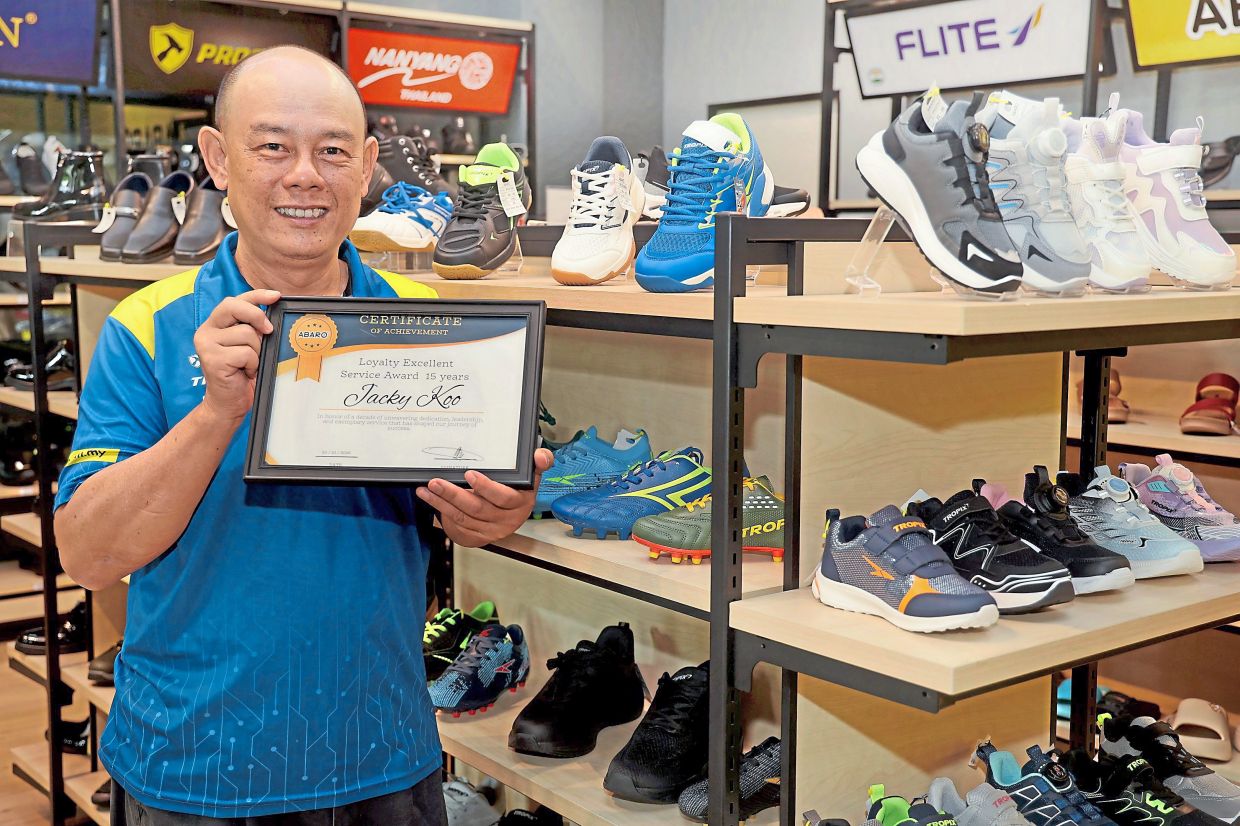
Jacky Koo’s career journey, meanwhile, took a very different route. He joined local footwear company Abaro Malaysia 15 years ago as one of the company’s first five employees, working as a lorry driver.
At the time, his ambition was simple.
“I just wanted a better life,” he says. “To improve my livelihood and be able to buy a car.”
He never imagined he would still be with the company 15 years later.
In the first decade, his work centred on transporting products nationwide. During those years, he became a familiar face among customers, gradually building trust and strong working relationships.
Recognising his potential, the company’s management encouraged him to move into sales. The transition was far from straightforward.
“Driving required efficiency and reliability. Sales demanded an entirely different mindset – meeting customers, presenting products, scheduling appointments and learning how to persuade clients. It was a mental shift,” Koo says.
His manager provided coaching, bringing him along on customer visits to demonstrate how sales conversations worked.
“I also had to develop computer skills, learning everything from processing customer orders digitally to participating in virtual meetings.”
Despite having little experience with technology, Koo adapted quickly.
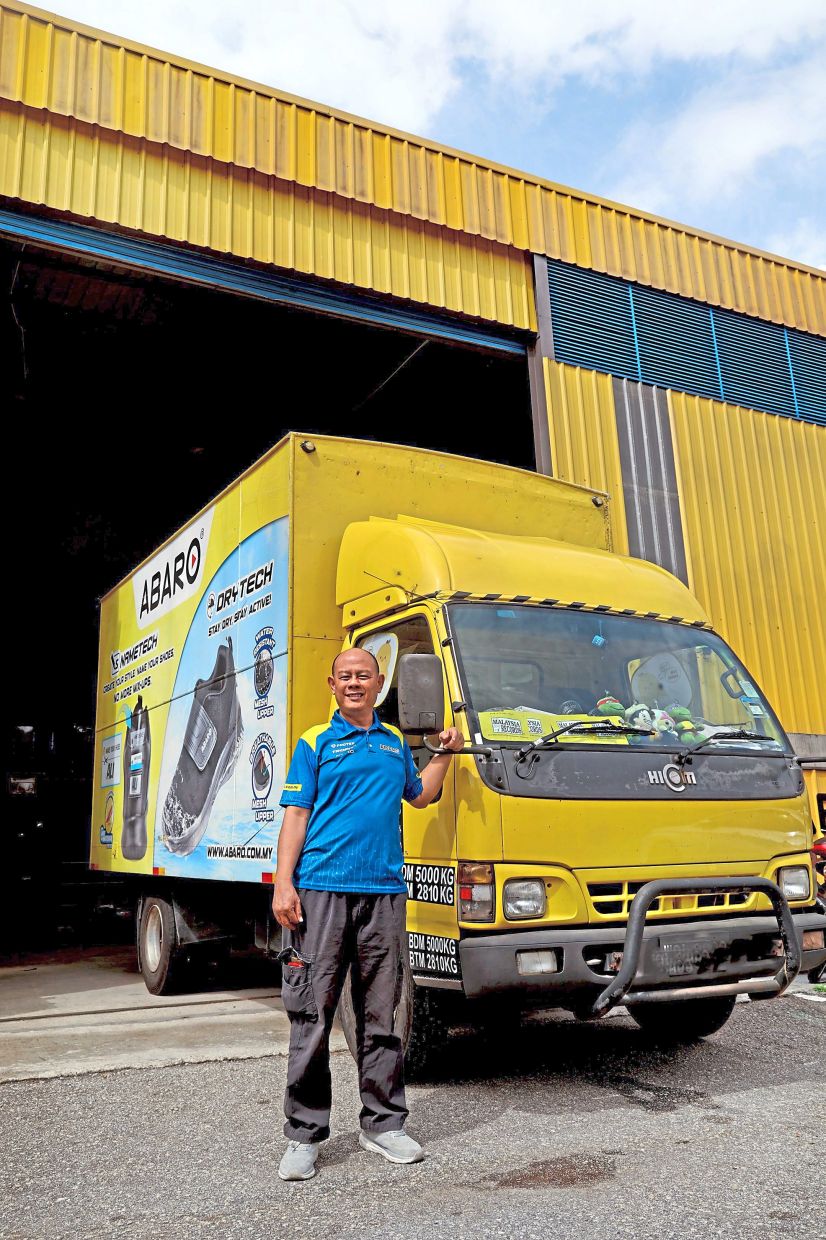
Soon after joining the sales team, he became one of the company’s top-performing sales representatives.
“The biggest satisfaction comes from closing a sale,” he says with a smile.
Every successful deal, he adds, gives him a sense of achievement that keeps him motivated to improve.
Asked why he has never seriously considered leaving, the 52-year-old points to something many long-serving employees value highly: familiarity, stability and mutual support.
“My workplace is like my second home. The bosses treat me like one of them. They guide me and support me whenever I need help,” says Koo.
Recognition also plays an important role. Annual awards, incentives and appreciation from management have reinforced the sense that employees’ efforts are noticed.
Beyond career progression, staying with the company has also improved his personal life.
He lives with and cares for his elderly mother, and says his financial situation today allows him to provide a better quality of life for both of them.
For young people entering the workforce, his advice is straightforward. “Stay humble and never stop learning.”
Regardless of where someone begins, he believes continuous learning creates opportunities for future growth.
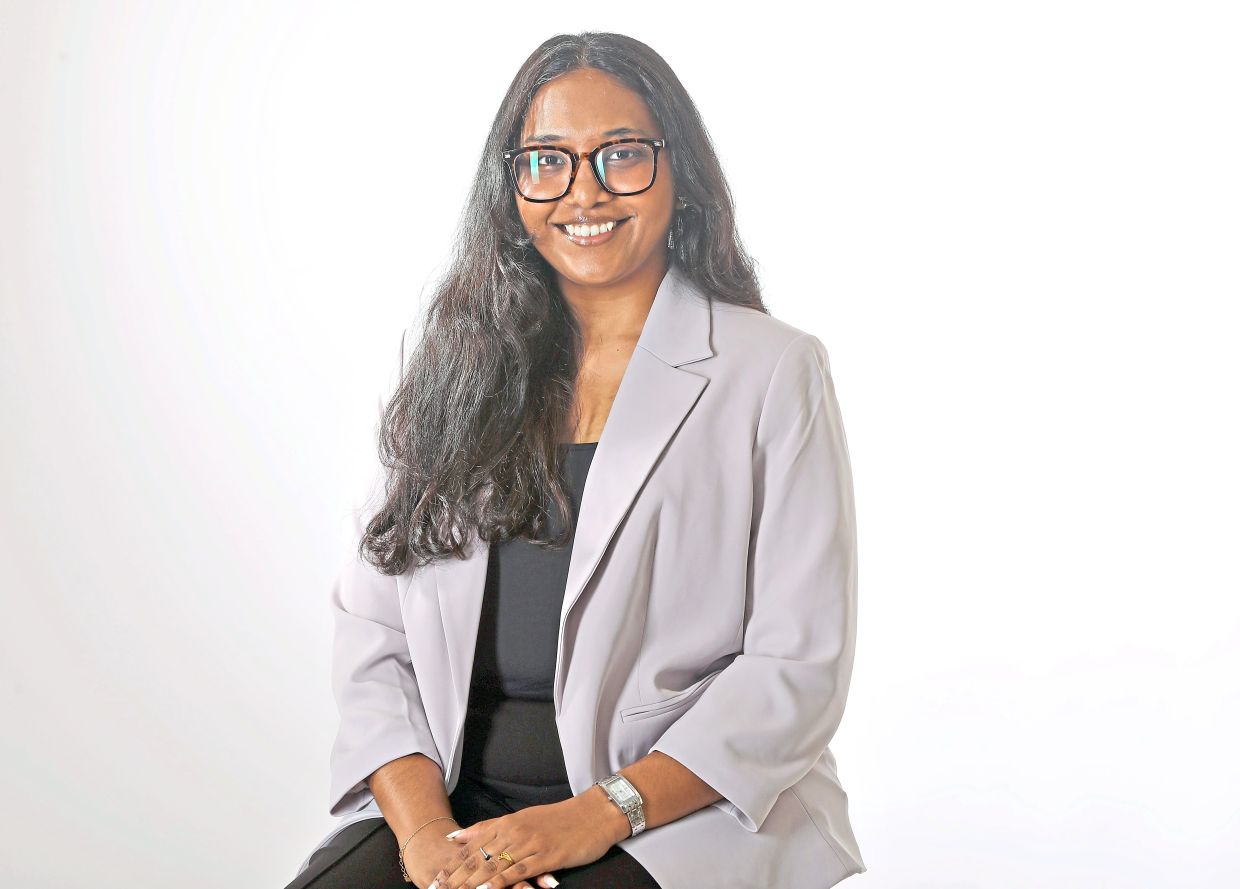
At 30, public relations senior executive Suyaishar Sebastian might represent a generation often associated with career mobility.
Yet she has spent the past three years with the same employer, and believes career success should be measured differently from previous generations.
“Success means different things to different people today,” she says.
She observes that social media has reshaped how many young professionals evaluate themselves.
Online, promotions, entrepreneurial achievements and career milestones are highly visible, creating constant opportunities for comparison.
“It’s easy to feel like you’re falling behind even when you’re actually doing well.”
At the same time, she believes many younger professionals are redefining success. Rather than pursuing only financial remuneration and promotion, they also prioritise flexibility, mental well-being and quality of life, such as time for family, friends, hobbies and travel.
For Suyaishar, career success combines several elements: meaningful work, continuous learning, financial stability and a healthy work-life balance.
“Career success to me means doing work that challenges me and allows me to make a positive impact while still having the time and energy to enjoy life after work.”
She chose to stay with her company – which is her first job since her return to Malaysia after her studies abroad – for several reasons.
“It’s a combination of factors,” she reveals.
“Working in a public relations agency has given me a wider exposure to clients from different industries, and that variety has accelerated my learning and broadened my perspective in many ways,” she says.
Equally significant has been the support she receives from managers who trust her with responsibilities while allowing room to learn from mistakes, as well as colleagues who are supportive.
“That kind of environment makes a big difference because you feel invested in rather than just managed.”
She also values flexible working arrangements and workplace policies that acknowledge employees have lives beyond the office.
“I also appreciate the flexibility the company offers because these benefits show that the company encourages employees to have lives beyond work.”
When asked her thoughts on today’s younger workforce, she believes what workers look for largely depends on where they are in life and their personal goals.
“Someone in their early 20s may naturally want to explore their options and try different industries, while someone in their 30s may value stability, career progression or financial security,” she notes.
“I believe young professionals today are looking beyond salary. They’re asking whether they’ll continue learning, if there’s a clear path for growth, whether their managers genuinely support them and whether the company offers flexibility and respects work-life balance.”
Although Roszalena, Koo and Suyaishar come from different age groups and backgrounds, their experiences reveal some similarities.
All of them describe workplaces where they continue to learn, managers who recognise their potential and where they are trusted with greater responsibilities over time. Growth, flexibility and work-life balance are reasons they stay.
For Roszalena, decades with one employer have included multiple roles and regional responsibilities.
Meanwhile, Koo has reinvented himself midway through his career, transforming from a driver into a salesperson.
For Suyaishar, a successful career isn’t only measured by how long someone stays in a company, but by how they continue to learn, grow, make meaningful contributions and enjoy what they do.
The most important lesson may be that longevity in the workplace is a two-way relationship – people stay when they feel valued, while organisations benefit from the experience and stability those employees bring.
In for the long haul




Roszalena started off as a logistics executive and is now a regional commercial network manager.
Roszalena now passes her work experiences to younger colleagues.
Koo, now a senior sales representative, started his career as a lorry driver. Photo: The Star/KK Sham
My workplace is like my second home, says Koo. Photo: The Star/KK Sham
For young people entering the workforce, Koo's advice is to stay humble and to never stop learning. Photo: The Star/KK Sham
For Suyaishar, career success combines meaningful work, continuous learning, financial stability and a healthy work-life balance. Photo: The Star/Azlina Abdullah
For Suyaishar, career success combines meaningful work, continuous learning, financial stability and a healthy work-life balance. Photo: The Star/Azlina Abdullah
Roszalena Mohammad Mashurdin, regional commercial network manager, has worked with the same company IKEA for 30 years since it started in Malaysia.