
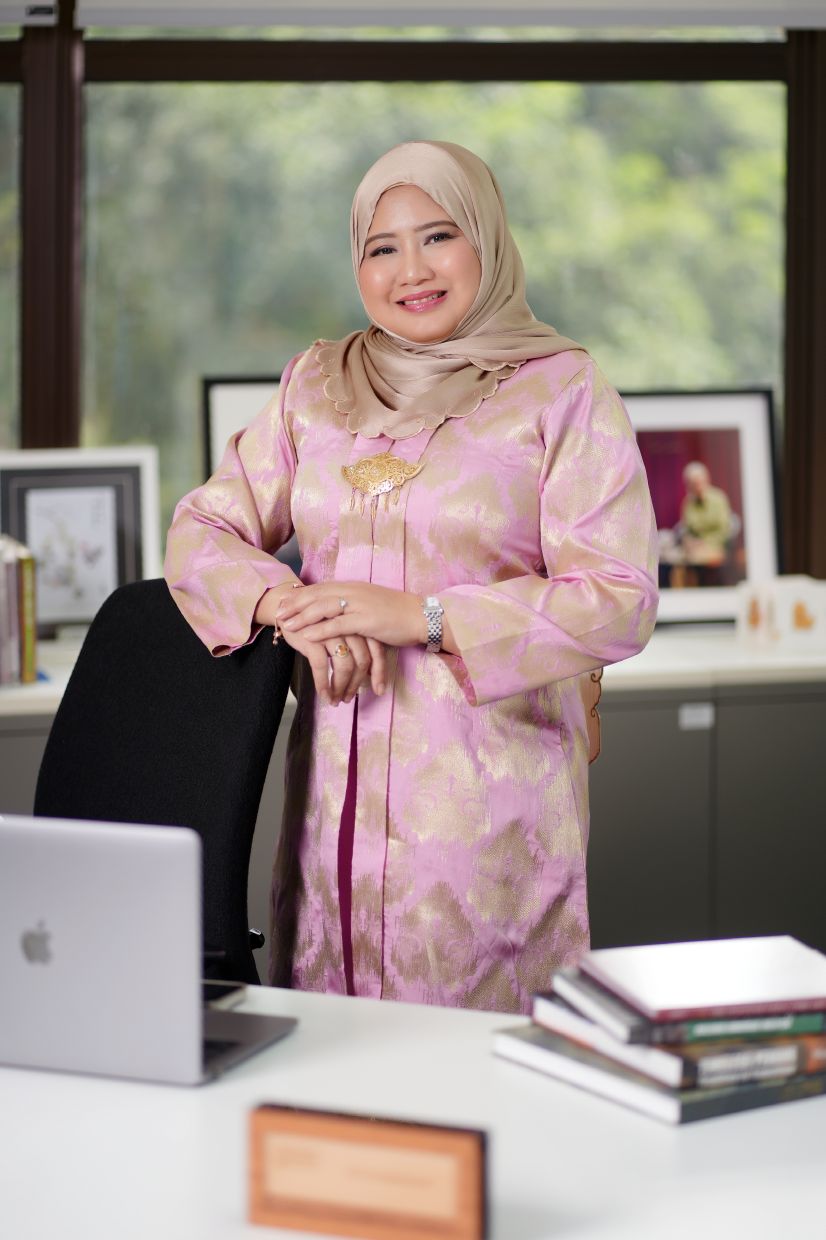
True philanthropy begins with listening as a way to surface community needs and guide grounded, collaborative solutions, says Yayasan Hasanah managing director and trustee, Siti Kamariah Ahmad Subki at The Hasanah Forum 2025 (THF2025) themed "Philanthropy that listens: Bridging intent with intervention".
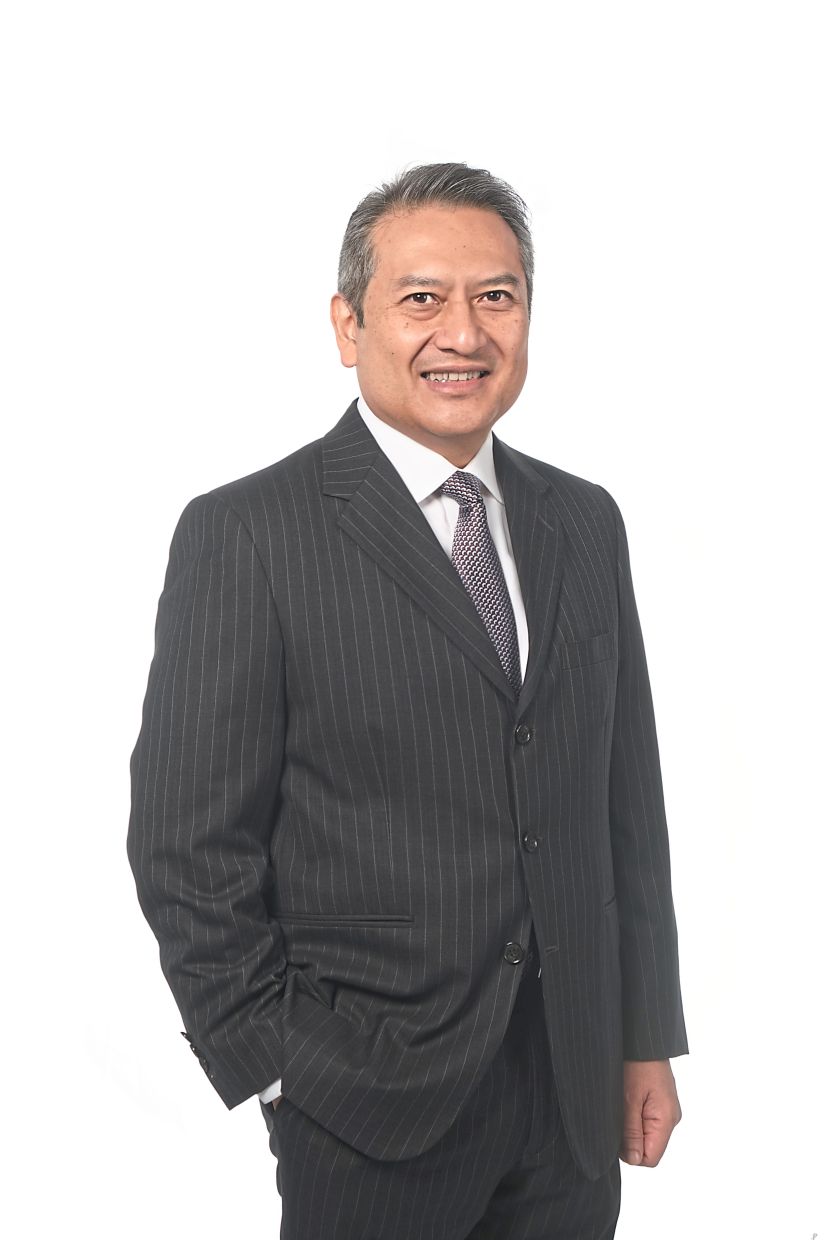
Siti Kamariah says that it's only through listening to changemakers working at the grassroots level that stakeholders can understand the needs of the community and help bring about solutions that are sustainable.
"Civil society plays a key role in strengthening Malaysia’s resilience. It's more than giving aid as a charity. It's about creating lasting change," she adds.
The forum – hosted by Yayasan Hasanah, Khazanah Nasional’s foundation – brought together government officials, advocates, artists, educators and philanthropists with one common goal: to place community voices at the centre of solutions.
Khazanah Nasional managing director Datuk Amirul Feisal Wan Zahir says in his special address that real listening means "setting aside assumptions and belief systems to step into others’ shoes and see the world through their eyes".
He added that the forum was "more than a gathering of minds, it was a meeting of purpose, where ideas turn into commitments and action". Amirul Feisal reflects on the acronym AIM – which stands for Aspire, Intent, Moves – as a framework for "philanthropy that listens".
THF2025 also marks the tenth year of Yayasan Hasanah. Since its founding in 2015, the organisation has grown into one of Malaysia’s most prominent forces for systemic social impact. Working across education, community development, the environment, arts and heritage, and knowledge-building, the foundation combines grant-giving with advocacy to build resilience from the ground up.
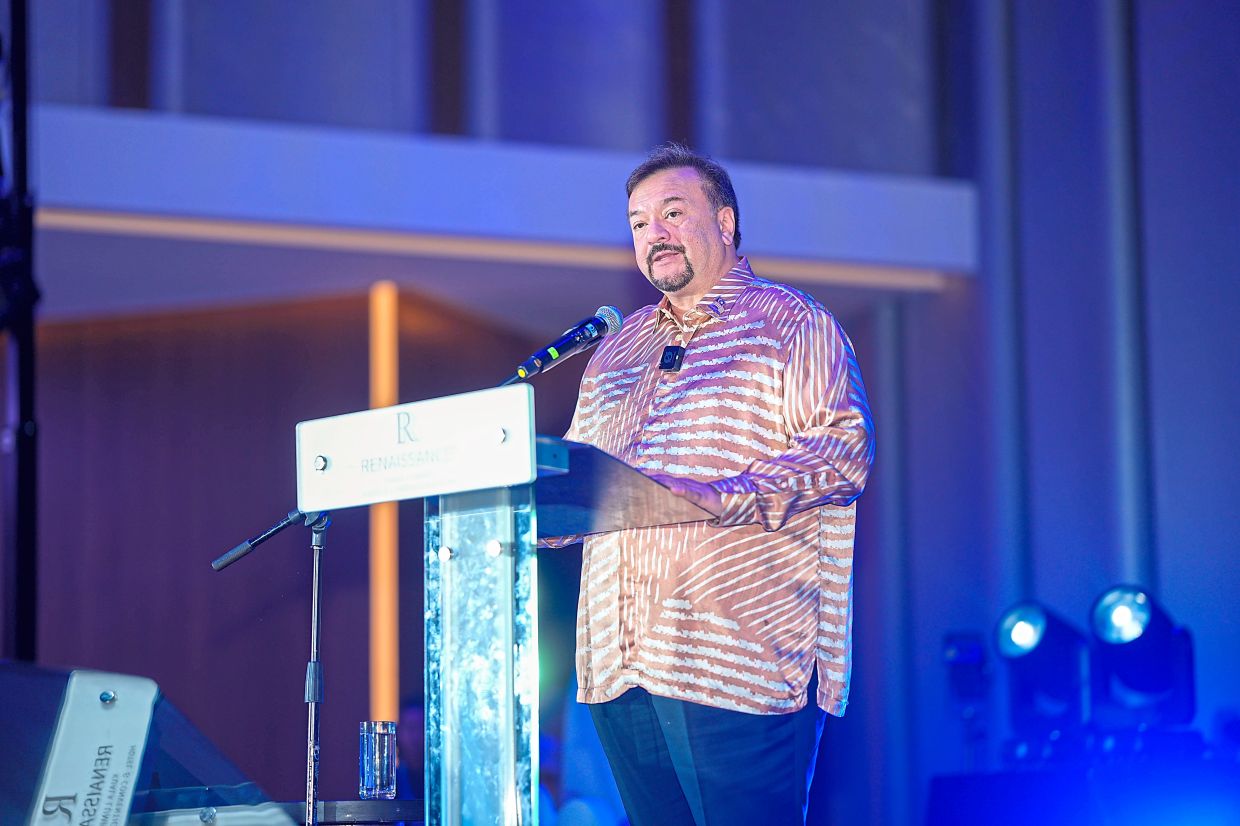
Finance Minister II Datuk Seri Amir Hamzah Azizan, in his opening address, said: "In a world that faces increasing inequality, polarisation and crisis, listening is a starting point to the compassionate nature that is the guiding light of our collective efforts."
"Through Budget 2025, RM100mil has been allocated by the Government for MOF Matching Grants to drive strategic corporation between government, private sector and civil society. These grants aren't just funding products; they're ensuring results with real benefits to the citizens, such as supporting Iban weavers in Sarawak through Women Eco-Weavers, and helping women entrepreneurs in Sabah through Sustainable Livelihood, to successfully boost their income and preserve their cultural heritage," he says.
THF2025 spotlights grassroots champions whose lived realities drive their advocacy.
Among them is Rimau co-founder Lara Ariffin, who works to protect the critically endangered Malayan tiger by collaborating with the Orang Asli as rainforest guardians. Her teammate, Shakri Wahab, a member of the Temiar tribe, describes his dual mission of safeguarding both the forest and indigenous traditions. Marine biologist Dr Louisa Shobhini Ponnampalam, co-founder of MareCet, showcases her team's sonar-led marine mammal conservation efforts - reminding audiences that saving dolphins and dugongs is just as much about community partnerships with local fishermen as it is about science. Meanwhile, indigenous artist-activist Shaq Koyok speaks of art as advocacy, painting canvases that preserve and honour the Orang Asal heritage. Firzana Redzuan, founder of Monsters Among Us, describes youth-led advocacy as a vital tool to confront systemic child abuse.
The forum also spotlights Chuah Ee Chia, co-founder of Iskul Sama DiLaut Omadal, who runs alternative schooling for undocumented Bajau Laut children in Sabah; Stevens Chan, Dialogue Includes All's visually-impaired founder, who builds platforms for disability empowerment; and Alina Amir, Arus Academy's co-founder, who is transforming how students and teachers engage with learning across Malaysia. From classrooms to coastlines, these voices all carry a common refrain: resilience requires lived experience to be recognised as expertise.
Strengthening Malaysia’s resilience means a stronger focus on the people on the ground, reiterates Siti Kamariah.
"This forum is about shifting from charity models to collaborative, justice-oriented, community-led solutions. Resilience isn't built in boardrooms alone – it's shaped also in the rainforests, classrooms, fishing villages, etc – by those closest to the challenges – whose voices now resonate more strongly to influence policies and decision-making," she concluded.
More than giving
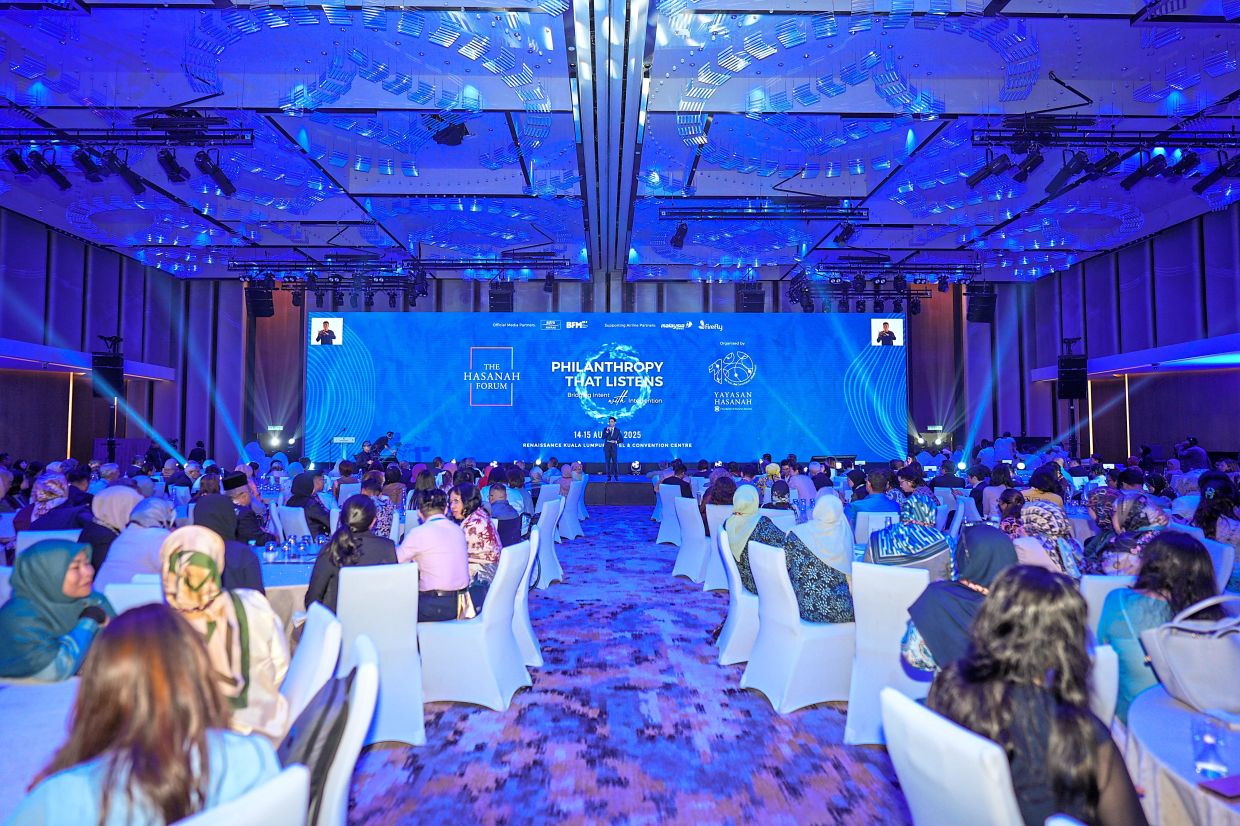
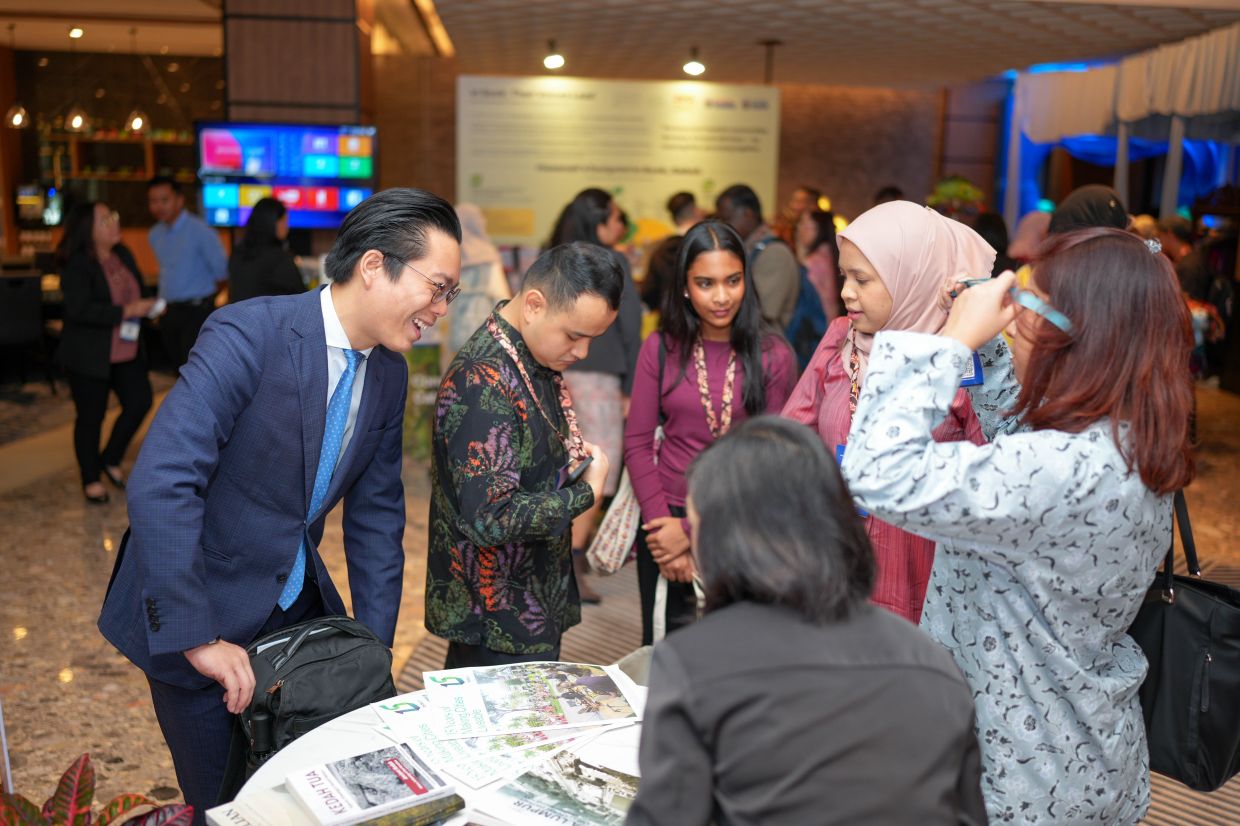
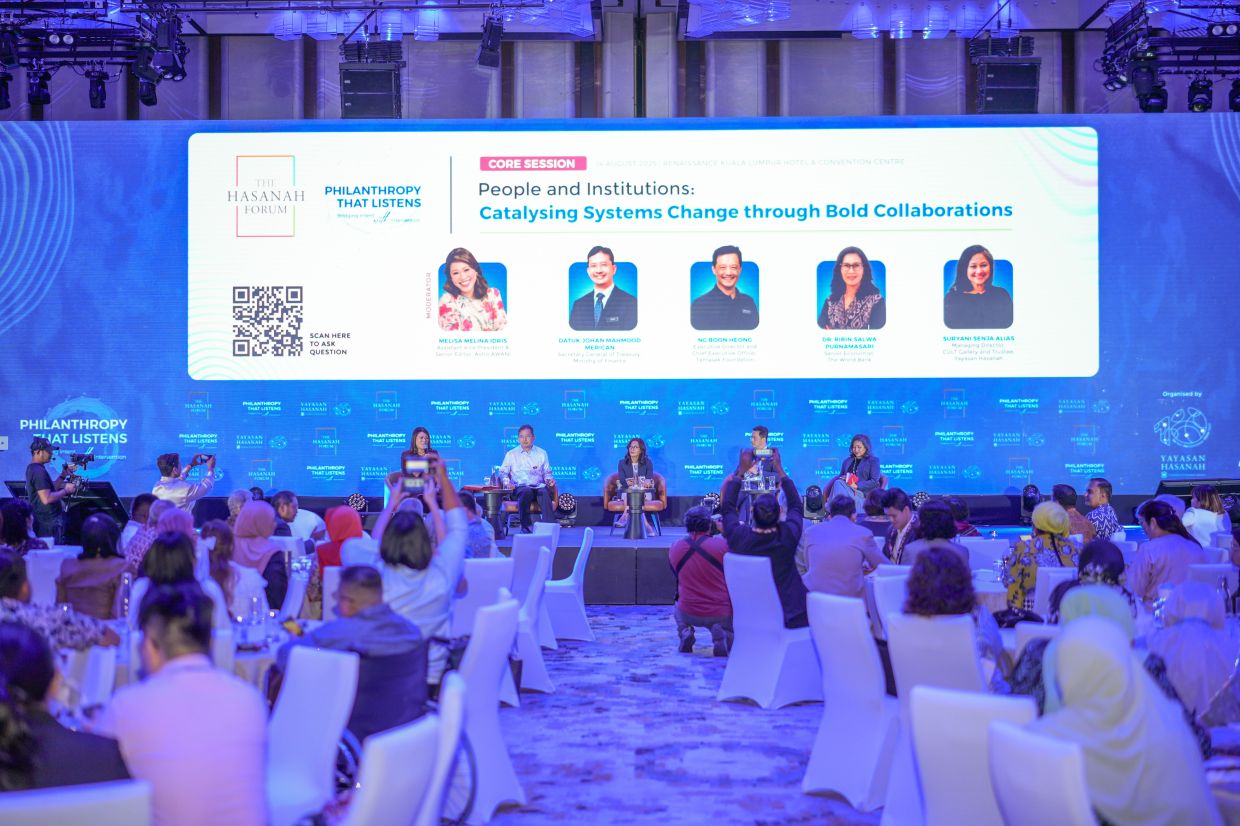
THF2025 welcomed over 900 delegates over the two days, bringing together changemakers across the sectors of education, community development, livelihood, environment and the arts. Photo: Yayasan Hasanah
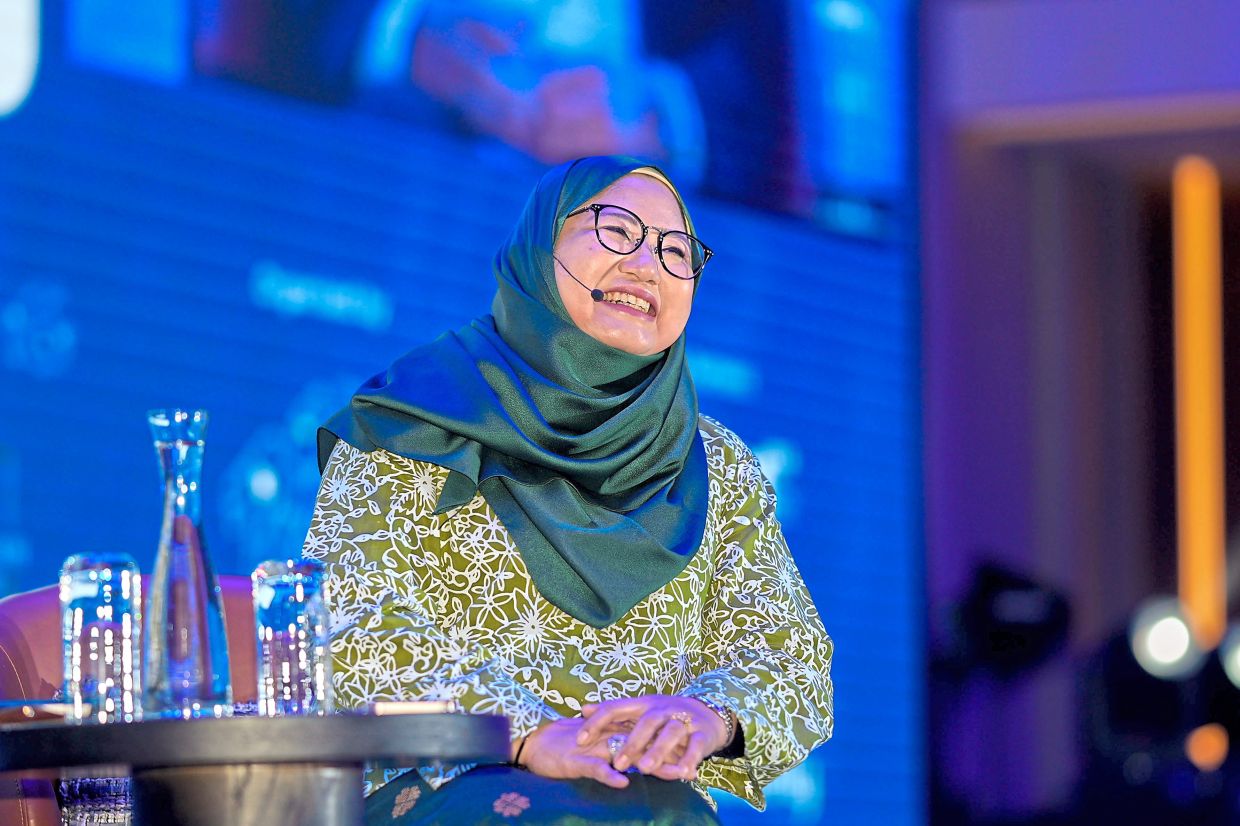
Siti Kamariah speaking at her panel session 'Age of Asia: Asian philanthropy leading the way'. Photo: Yayasan Hasanah
Datuk Seri Amir Hamzah delivering the opening address. Photo: Yayasan Hasanah
Khazanah Nasional's managing director Datuk Amirul Feisal Wan Zahir emphasises that real listening means setting aside assumptions and belief systems to step into others’ shoes and see the world through their eyes. Photo: Khazanah Nasional
Civil society plays a key role in strengthening Malaysia’s resilience. It's more than giving aid as a charity. It's about creating lasting change, says Siti Kamariah. Photo: Yayasan Hasanah
Over 900 changemakers attended The Hasanah Forum 2025 (THF2025). Photo: Yayasan Hasanah
From ministries to foundation leaders, international economists and cultural champions, THF2025 brings together different perspectives across the social impact ecosystem. Photo: Yayasan Hasanah