




AS I lead the Malaysian delegation at the 79th World Health Assembly in Geneva this week, my focus extends far beyond the high-level negotiations at the Palais des Nations.
My true objective is to ensure that the global mandates forged here translate into tangible benefits for every Malaysian – from the patient in a Kuala Selangor clinic to the families in the remote reaches of Kapit.
For Malaysia, our presence in Geneva this year is the culmination of a deliberate, strategic journey.
If our efforts over the previous two years were about establishing intellectual authority and global influence, our current mission is about the final translation: “From Resolution to Action.”
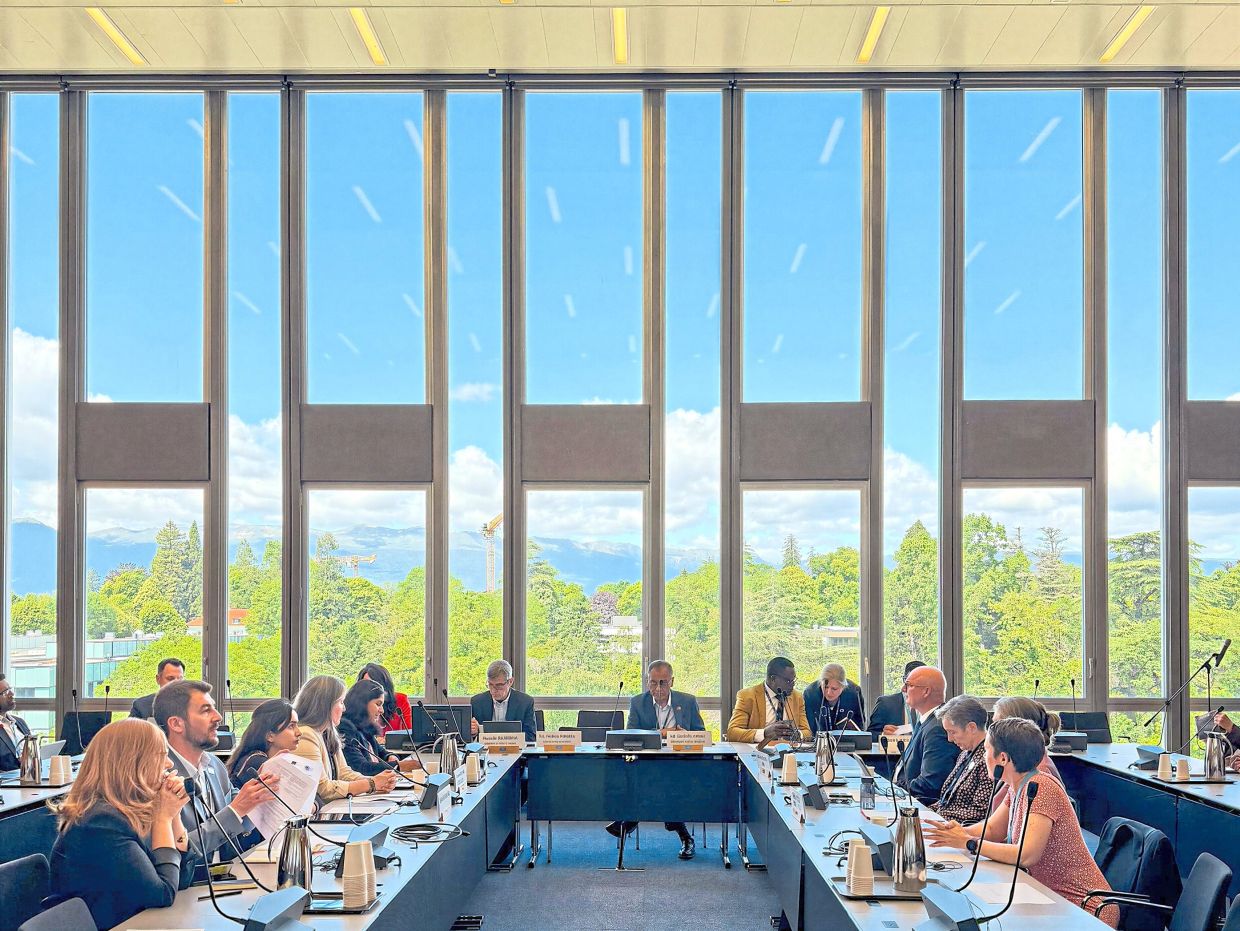
The architecture of continuity
Our recent global engagements have been anchored in the principles of equity and health sovereignty.
Two years ago, Malaysia signaled its leadership in the digital frontier, with the World Health Organization (WHO) recognising our national digital tools, most notably MySejahtera, as world-class case studies for pandemic management.
It proved that Malaysia is no longer merely a “rule taker” in global health, but an active “rule maker” in the digital health ecosystem.
This momentum accelerated last year when we assumed the responsibility of the Asean Chair. We made history by spearheading the first-ever Integrated Lung Health Resolution at the global level.
This demanded a holistic approach to asthma, Chronic Obstructive Pulmonary Disease (COPD) and lung cancer; a critical move given the mounting burden of Non-Communicable Diseases (NCDs) on our healthcare system.
Each year was a building block, leading us to the threshold of implementation we find ourselves at today.
The strategic sidelines
While the plenary sessions provide the stage for global consensus, it is the bilateral meetings held on the sidelines, where the heavy lifting of healthcare reform truly happens.
These engagements allow us to bypass standard bureaucratic inertia, engaging in direct G2G exchanges that yield immediate technical and strategic dividends.
Looking back at 2024 and 2025, these sidelines were highly productive.
We forged ties with Indonesia on genomic mapping and Oman on digital surveillance, while opening doors for our specialists to provide training to nations like the Maldives.
We also initiated a crucial dialogue with Brunei on “pooled procurement” for rare disease medications, a concept that has now matured into a regional priority.
This year, we are elevating this strategy with a very specific hit-list. Our engagement with Spain is a calculated move to solve a chronic national bottleneck: our organ donation and transplant rate.
Spain holds the “Gold Standard” in this field and by seeking to adapt their operational model, we aim to transform our transplant system and shorten the agonising wait for thousands of Malaysian patients.
Simultaneously, our dialogues with Singapore, Vietnam and Bangladesh are about building a “Regional Shield.”
We are moving beyond the rhetoric of health security to establish actual data-sharing frameworks and digital health interoperability. This ensures that Malaysia remains the anchor of the Asean health agenda, fostering a regional ecosystem that is resilient against future cross-border health threats. These meetings are not just “courtesy calls”; they are the engines of our national health policy.
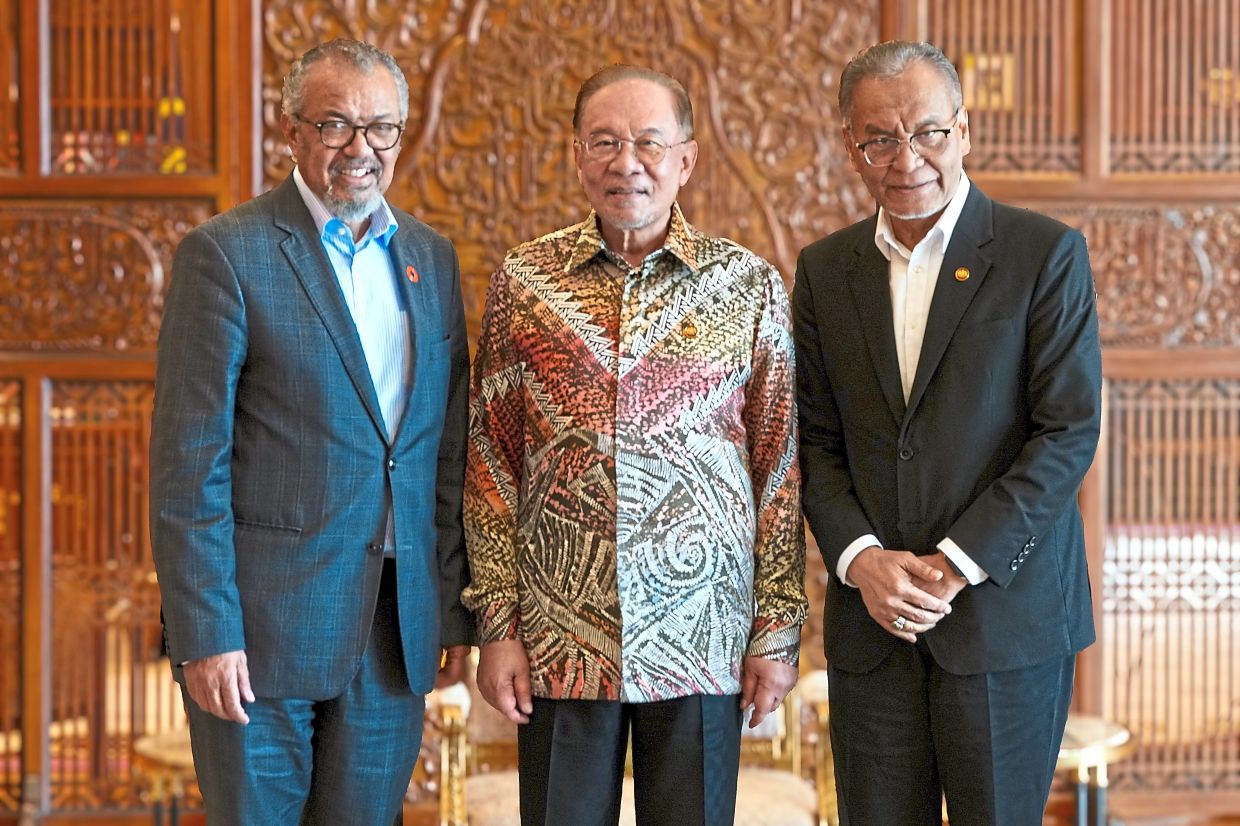
A fiscal tool for wellness
Our mission in Geneva also marks a significant milestone with the global showcase of our National Blueprint for Behavioural Sciences. This is the practical outcome of the global resolution Malaysia previously co-sponsored.
We are shifting the state’s role from “sermonising” to “designing.” By understanding that human choices are often governed by the path of least resistance, we are using Choice Architecture to make healthy living the default option. This is the fundamental backbone of our “War on 5S” Strategy, targeting sugar, smoke, salt, stigma and sedentary lifestyles.
From a macroeconomic perspective, this is a vital tool for long-term fiscal sustainability.
By leveraging behavioural “nudges” to prevent NCDs, we are protecting our national budget from the runaway costs of long-term sick-care.
We are essentially using social science to ensure that the Health Ministry remains a ministry of wellness, focused on value-based outcomes rather than just the volume of treatments.
Extraordinary standards in eye health
Malaysia is also expanding its leadership into Integrated Eye Health. It is an extraordinary fact that Malaysia is now regarded as a global benchmark in this field, particularly for the quality and volume of our cataract operations through our mobile and static clinic networks.
In Geneva, we are co-hosting the Global Summit for Eye Health alongside partners like Nigeria and Antigua.
While our partners lead the formal representation, Malaysia’s role is one of “hosting the standard.” By setting these surgical and care benchmarks globally, we ensure that our domestic ophthalmology services remain at the cutting edge, benefiting every Malaysian who seeks vision care back home.
Regional solidarity and rare diseases
The work we began in previous years on “pooled procurement” is now culminating in the Asean Declaration on Rare Diseases. For too long, families dealing with rare conditions have been hampered by the astronomical costs of specialised care.
By leading this regional declaration, we are moving toward a framework where Asean nations can negotiate drug prices collectively and share diagnostic expertise. This is a matter of regional justice; ensuring a child in a Malaysian village has the same access to life-saving innovation as one in a global metropolis.
Sovereignty in access
Finally, the recognition of Malaysia by the Medicines Patent Pool (MPP) serves as a powerful testament to our Medical Sovereignty. The MPP has selected Malaysia as a global case study for our leadership in the national human immunodeficiency virus (HIV) response, specifically our success in navigating complex patent landscapes to secure affordable, life-saving drugs.
This recognition proves that Malaysia has the strategic acumen to protect its citizens’ health without being held hostage by exorbitant global drug pricing.
It reinforces our stance that life-saving innovation must be accessible to all, not just the highest bidder. It is a blueprint of resilience that we are proud to share with the developing world.
Healthcare as a strategic investment
In my view, healthcare must be seen as a strategic investment in human capital, not merely a cost centre.
During our current mission in Geneva, we are championing the “Economics of Health for All” narrative. We are building a Madani healthcare system that is inclusive, future-focused, future-proofed and future-ready, as well as financially sustainable through pro-health policies.
The reform of our healthcare system is a journey of persistence, a relay race where each year hands off a more robust baton to the next. Our progress over the last three years shows a consistent plan: from establishing digital leadership to spearheading global resolutions and finally acting on them.
The true success of our diplomacy in Geneva is measured by the tangible improvements in our clinics and hospitals.
We remain committed to translating global mandates into the reality of the rakyat, ensuring a Malaysia that is healthier, more equitable, and more dignified.
“Once, we started with a resolution; now we move into action.”
Datuk Seri Dr Dzulkefly Ahmad
Health Minister


