
In the heart of Penang, a quiet movement has been transforming lives for four decades.
It began in the mid-1980s, when a small group of volunteers offered crisis counselling for domestic violence survivors from a small municipal car park.
Today, the Women’s Centre for Change (WCC) is a nationally recognised organisation, known for championing the rights of women and children, helping to shape national policies, and standing firmly beside those navigating some of life’s most difficult experiences.
As WCC celebrates its 40th anniversary, its legacy is best reflected in the voices of the women it has walked with, like Aisyah and Lisa (*pseudonyms), who found safety and a renewed hope through the organisation’s support.
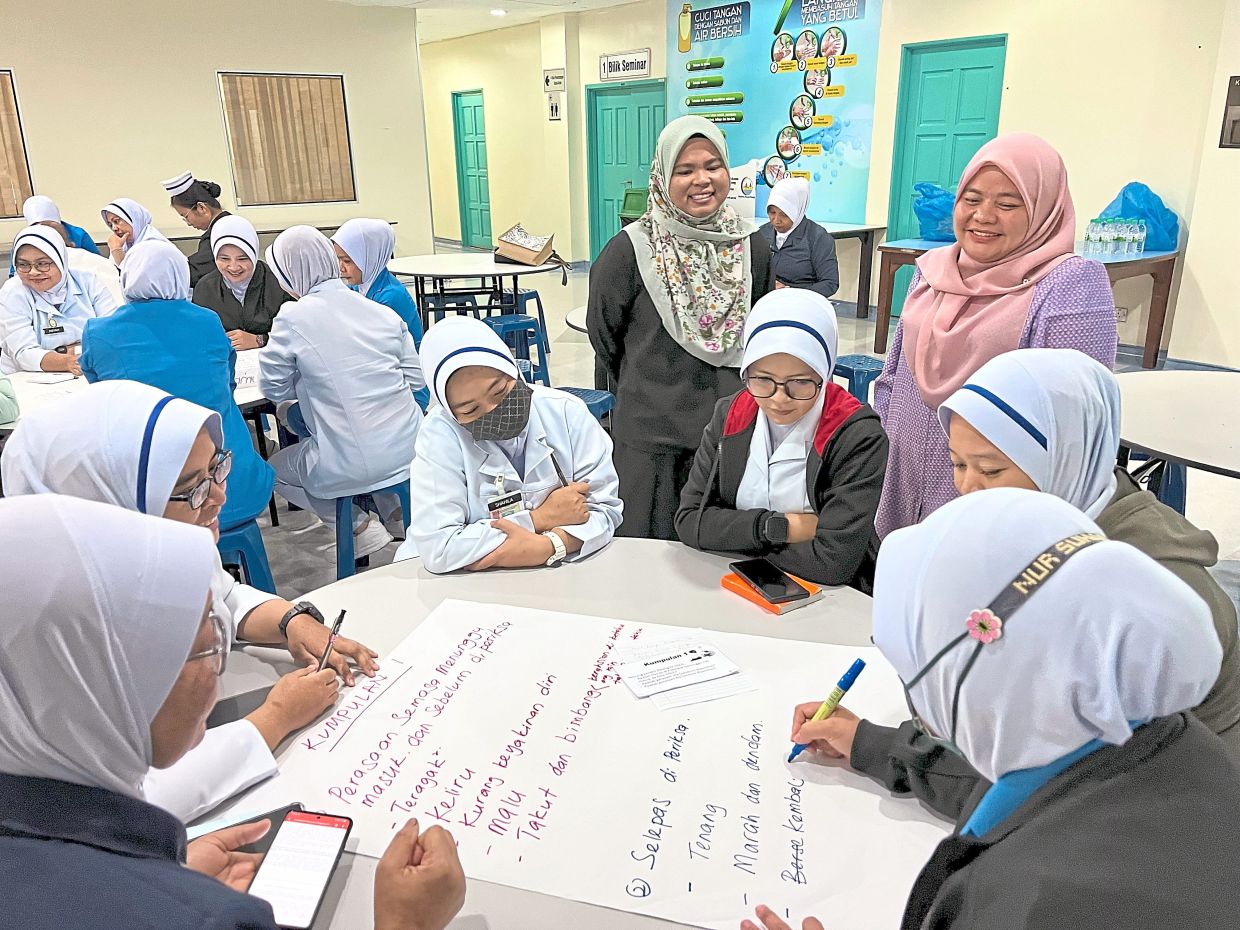

She only realised something was deeply wrong after a school lesson on personal safety. But fear kept her silent. Her father had threatened to hurt her mother.
Unable to bear the burden any longer, Aisyah confided in her mother, hoping to find support. But instead, she faced disbelief and anger.
Isolated and in despair, her mental health deteriorated and she left school.
At 17, she fled from home. With her foster sister’s encouragement, Aisyah filed a police report and was sent to the hospital for a medical examination.
She was referred to WCC’s centre at the Women’s Service Centre (PPW) in Seberang Perai for counselling. But her mother intercepted appointments and limited her phone access.
A year later, Aisyah finally connected with a health clinic counsellor, who referred her directly to PPW. Through four counselling sessions, a PPW social worker taught her coping skills for what she had gone through.
Pressured by relatives to withdraw her case, Aisyah’s emotional and physical health declined. She had post traumatic stress disorder (PTSD), major depressive disorder (MDD) and epilepsy, which required hospital care and medication.
Two years later, her father was finally charged in court. Supported and accompanied by her fiance, PPW’s social worker and her psychologist, Aisyah attended the trial. At the fourth hearing, the accused pleaded guilty and was sentenced. For Aisyah, now 18, it was a long-awaited turning point.
“I want to leave the pain behind and build a new life – with peace and purpose – with those who have supported me,” she says.

He dictated her every move, isolating her from loved ones, even pulling her daughters out of school during the pandemic.
In 2022, after a violent attack, Lisa decided to leave him.
As she was walking by WCC, she instinctively walked in.
The WCC social workers supported her over the next two years, providing crucial counselling to help her heal emotionally and rebuild her self-worth.
They also helped her find work as a seamstress.
WCC also provided counselling for her daughter who developed anxiety disorder and helped Lisa build strategies to support her son who struggled with anger issues and suicidal thoughts. They also helped raise emergency funds for her children’s schooling and food.
Eighteen months later, Lisa filed for divorce. The process was difficult and contested. But the WCC social workers were by her side every step of the way, providing emotional support and accompanying her to court hearings.
Today, Lisa is financially independent and emotionally grounded.
She took on multiple jobs to support her family – driving a school van, giving tuition and doing administrative work.
“WCC helped me move from survival to strength. They stood by me when I felt completely alone,” she says.
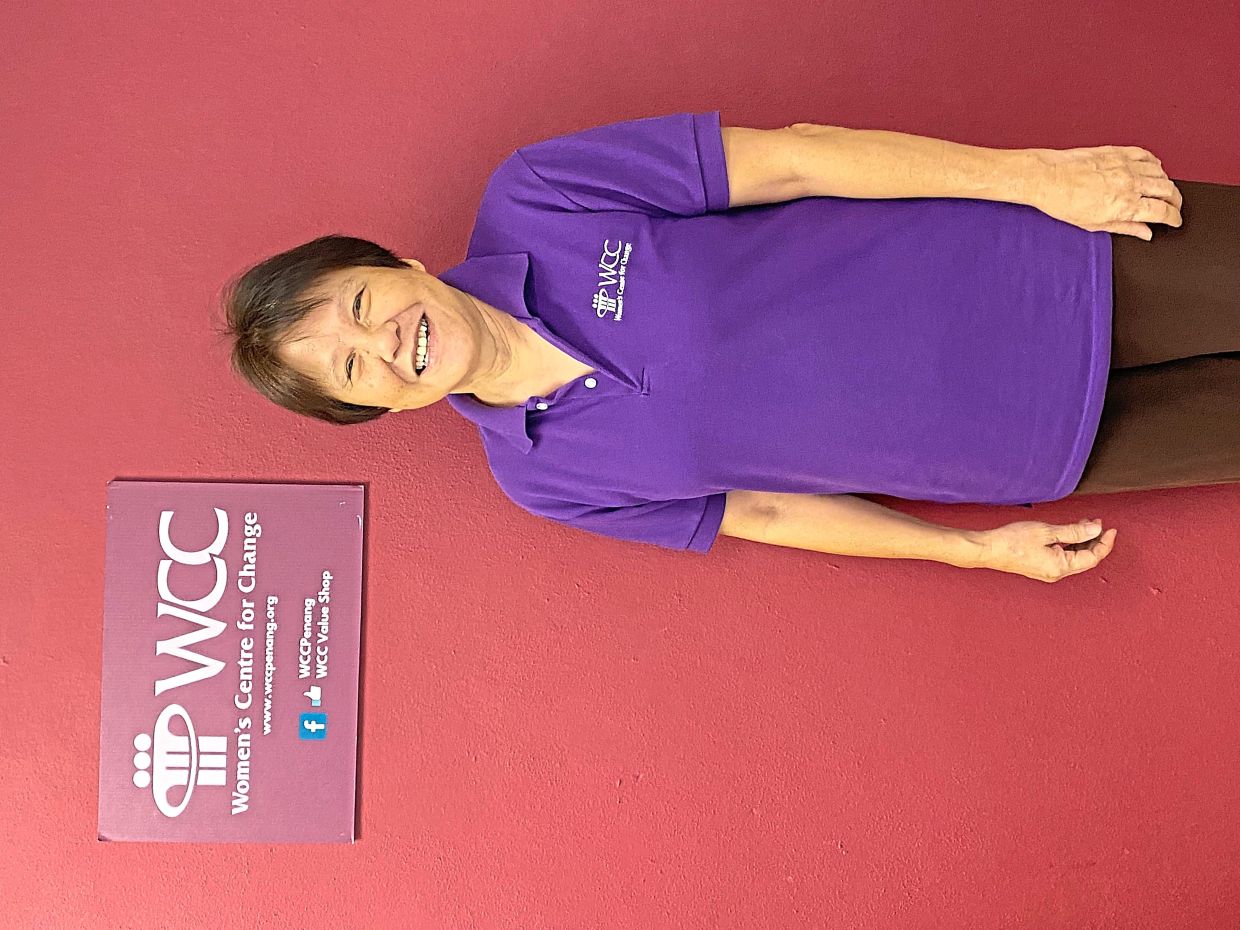
“We have grown from a small crisis centre into a comprehensive organisation providing emotional support, legal aid, outreach, education and policy advocacy,” she says.
Among WCC’s proudest milestones are its school-based programmes: “Ok Tak Ok”, which teaches children about good and bad touch, and “Respek”, which educates teens on healthy relationships. These programmes have reached tens of thousands of students. In 2023, “Ok Tak Ok” was held in 67 schools, attended by 7,700 children.
WCC has also played a key role in national reform. Its support in a high-profile workplace misconduct case in the early 2000s was instrumental in pushing for the Anti-Sexual Harassment Act (2022). Its research into child-related offences contributed to the development of the Sexual Offences Against Children Act (2017), a law that better protects minors.
Another major step came in 2009, when the Penang state government partnered with WCC to open PPW in Seberang Perai. Today, PPW handles nearly twice the number of cases compared to the island office, revealing a critical need for accessible services on the mainland.
In 2017, WCC launched the WCC Value Shop, a preloved goods store that now provides sustainable source of income for the organisation – run with the help of volunteers.
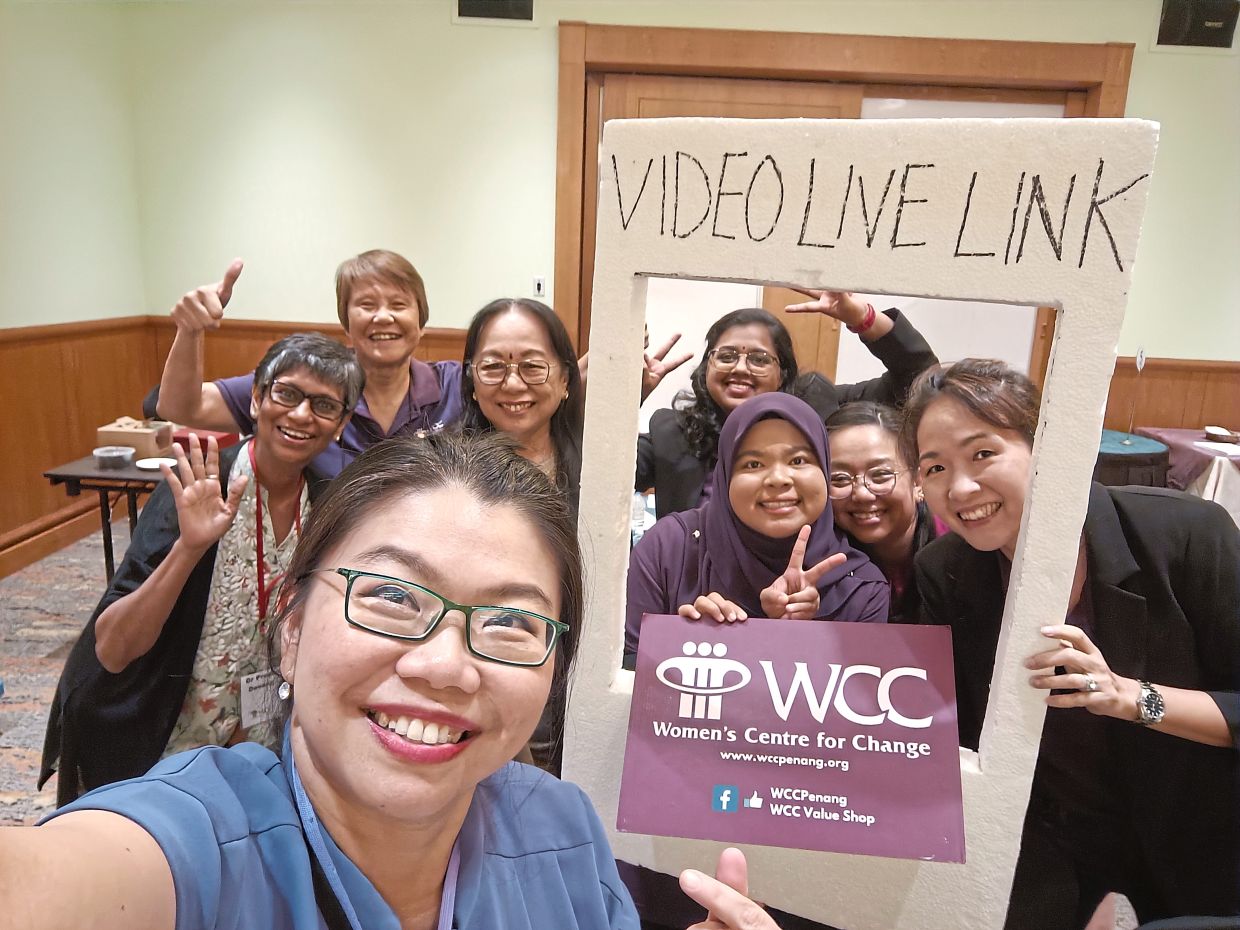
“There’s still much work to do,” Loh notes. “We need more trained professionals, stronger coordination among agencies, and a cultural shift in how society views survivors.”
With digital access rising and many young people exposed to unhealthy content early, Loh says prevention must start young.
“By teaching children about respect, safety and body autonomy, we empower them to protect themselves and others.”
Loh also emphasises the importance of internal care. “This work takes a toll. So we make sure our team has regular peer check-ins, case sharing and time for self-care.”
“As for the future, I hope the next generation of women will be bold, compassionate and unafraid to speak out,” she says. “Together, we can build a safer, more just society.”