When an influencer recently uncovered a Facebook group that circulated sexualised images of schoolchildren, it sent shockwaves through Malaysian society. The Budak2 Sekolah Rendah group (which has since been removed) allegedly featured hundreds of images of minors – many scraped from public social media posts – which were used in obscene and exploitative contexts.
In response, the Malaysian Communications and Multimedia Commission (MCMC) launched an investigation, prompting renewed calls for urgent action to safeguard children online.
But while enforcement is crucial, advocates like Thulasi Munisamy, Protect and Save the Children's advocacy lead, and parent and activist Yu Ren Chung, who was a former Women's Aid Organisation deputy executive director, stress that meaningful protection must begin closer to home – with informed parents, empowered children, and a society that prioritises online safety as a shared responsibility.

"Children have a right to be online," he says, "but we also have a responsibility to keep them safe."
This means helping children become savvy digital citizens – knowing what’s safe to share, understanding how to recognise inappropriate behaviour, and crucially, trusting the adults in their lives enough to speak up when something feels wrong.
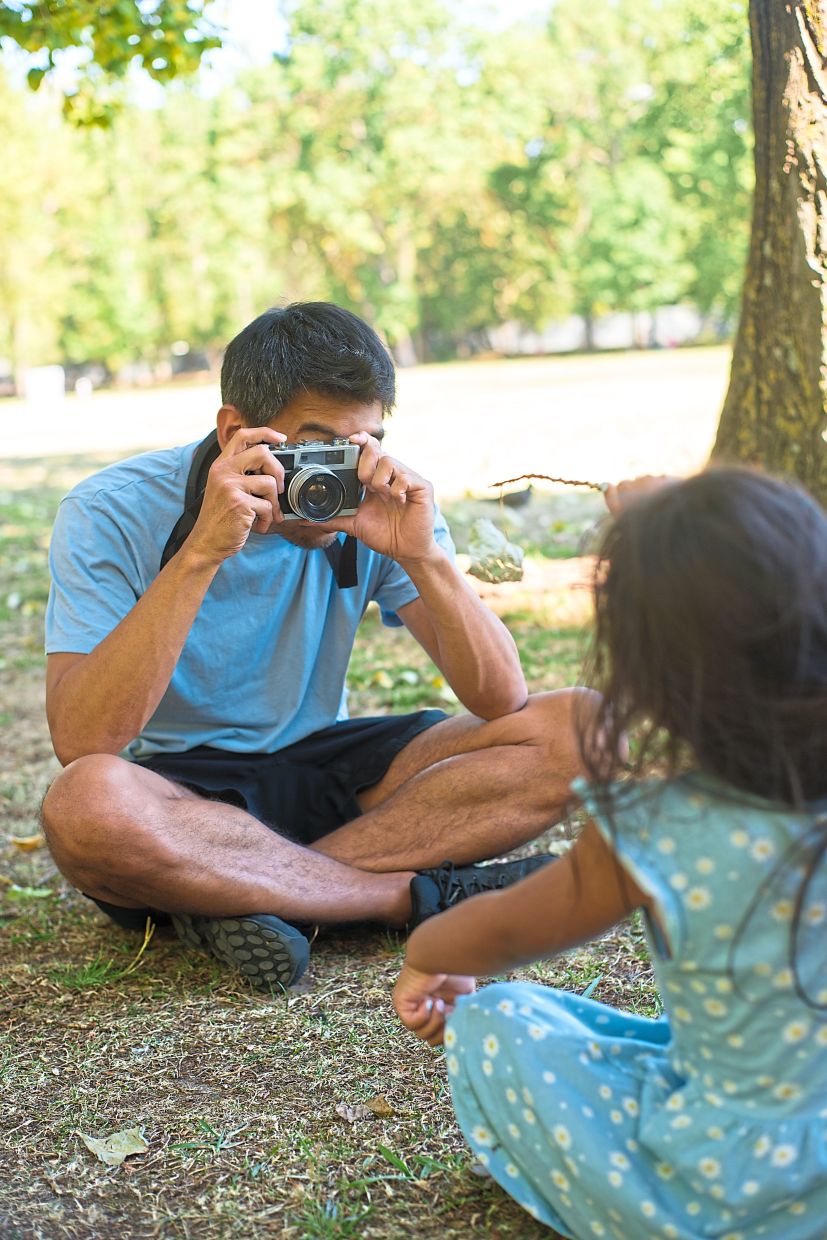
While his daughter is still too young to use social media, Yu says he is already laying the groundwork: teaching her about privacy and safety, taking an interest in what she explores online, and creating a home environment built on openness and respect.
"We try not to be punitive. Instead, we encourage curiosity while being clear about boundaries."
He adds that it’s also time for adults to rethink their own digital habits, not just for their own but other's children too.
"Oversharing is a problem. Even I’ve been tempted to post cute pictures of my kid – but I’ve learned to be more careful. If you've to post it, maybe a private group is better. Or maybe it doesn’t need to be shared at all."

"When parents don’t talk to their children about consent, boundaries, or healthy relationships, they’re more vulnerable," she explains. "We must normalise these conversations early – especially in a digital age where grooming, exploitation, and abuse can happen with just a few clicks."
Through the NGO’s Keep Me Safe programme, Thulasi and her team use storytelling, games, and interactive workshops to teach children about body safety, safe versus unsafe secrets, and how to say no to anything that makes them uncomfortable.
"The sessions aren’t lectures," she emphasises. "They’re participatory, age-appropriate, and inclusive – especially for children from marginalised communities."
Crucially, the programme also empowers parents and teachers with tools to talk about difficult subjects without shame or fear.
"Children will only speak up if they feel safe, not judged."
While parents and caregivers are the first line of defence, both Thulasi and Yu stress that broader systems – from education to law enforcement – must also evolve. Currently, Malaysia’s school curriculum includes digital literacy and some elements of sexuality education. But Thulasi highlights that consistent implementation and continuous dialogues are needed, not just occasional one-off workshops.
"Teachers are vital in the child protection ecosystem and they must receive regular training on how to deliver personal safety education in a child-friendly, culturally sensitive, and inclusive way."
She also highlights the lack of mandatory safeguarding policies in many learning institutions.
"Every school, tuition centre, religious school, and preschool needs clear reporting mechanisms. Everyone working with children should know what to do when they suspect abuse – and feel safe doing so." Moreover, systemic silos must be dismantled. "We need stronger coordination between ministries, agencies, and civil society groups to ensure no child falls through the cracks," says Thulasi.
"Harassers must be held accountable," he urges. "Authorities should proactively investigate, don't wait for viral outrage."
For victims and families, legal recourse can often be confusing. Thulasi recommends streamlining processes to help victims access the Anti-Sexual Harassment Tribunal, Cyber999, and other platforms more easily – with trauma-informed support at every step. She also supports the proposal for a standalone, 24/7 national helpline dedicated specifically to children, staffed by trained professionals and linked to comprehensive protection services.
"Right now, Talian Kasih (a 24-hour hotline and WhatsApp service managed by the Women, Family and Community Development Ministry, providing support and assistance for social and welfare issues such as domestic violence and child abuse) is overstretched. We need a child-first response.”
While the recent MCMC-led Safe Internet Campaign marks a step forward, many CSOs – including Thulasi’s – say it must be more inclusive and there has to be proper engagement with children themselves.
“Was the campaign co-designed with kids? Were disabled or undocumented children included? These are important considerations,” she says.
Both Thulasi and Yu believe it’s time to treat online child protection not as a niche concern, but as a national priority with dedicated funding, robust laws, and cross-sector cooperation.
This includes requiring tech companies and telcos to integrate child safety features by design, mandating takedowns of child sexual abuse material, and promoting international best practices like those used by the UK’s Internet Watch Foundation or Canada’s Project Arachnid.
Ultimately, keeping kids safe online is not about instilling fear, but equipping them with knowledge and nurturing their self-confidence. It’s about recognising their right to participate in digital spaces – while surrounding them with a web of protection.
As Yu concludes: “We don’t want to clip our children’s wings. We want them to fly – safely, supported, and freely.”
Where to get help: Talian Kasih: Call 15999 or WhatsApp 019-2615999; MyCERT: www.mycert.org.my, Internet Watch Foundation: www.iwf.org.uk and MCMC: aduan.mcmc.gov.my.