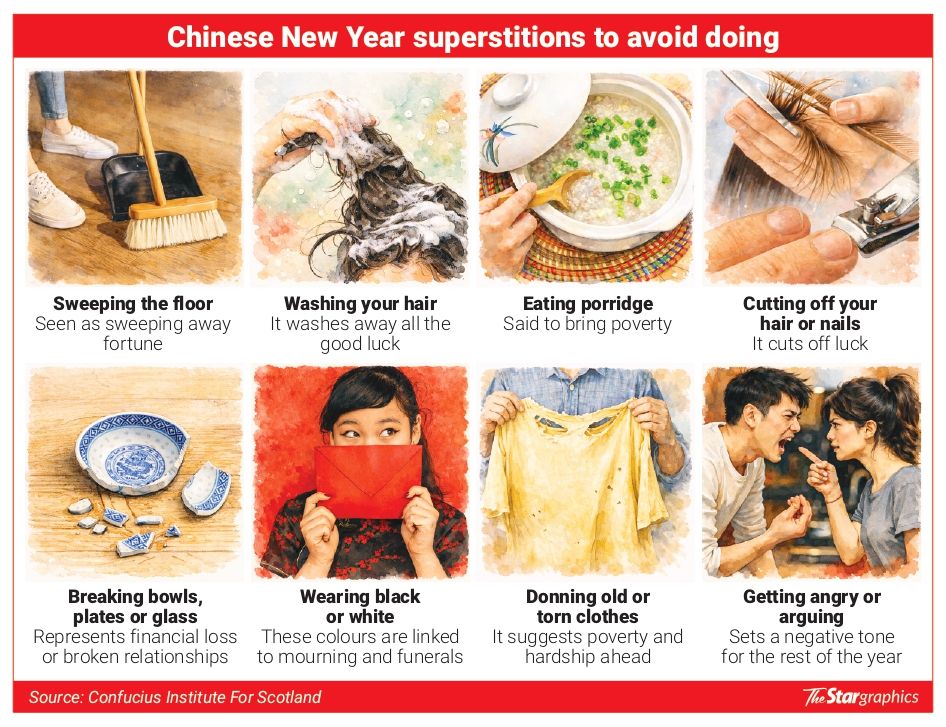
On the first day of Chinese New Year, many things are deliberately left undone.
Floors go unswept, dark clothes stay buried in the closet, medicine is kept away from consumption and words are chosen carefully, tempers even more so.
These superstitions – whether they are practised with unwavering faith or followed by family members just because they were told to – continue to slip into family gatherings and house visits, shaping the way families celebrate Chinese New Year and how they stay united while doing so.
For Carmen Wong, 24, restraint defines the day as her family ushers in the New Year.
The memory of her late grandfather scolding her for wearing ripped jeans on the first day of Chinese New Year when she was younger still lingers.
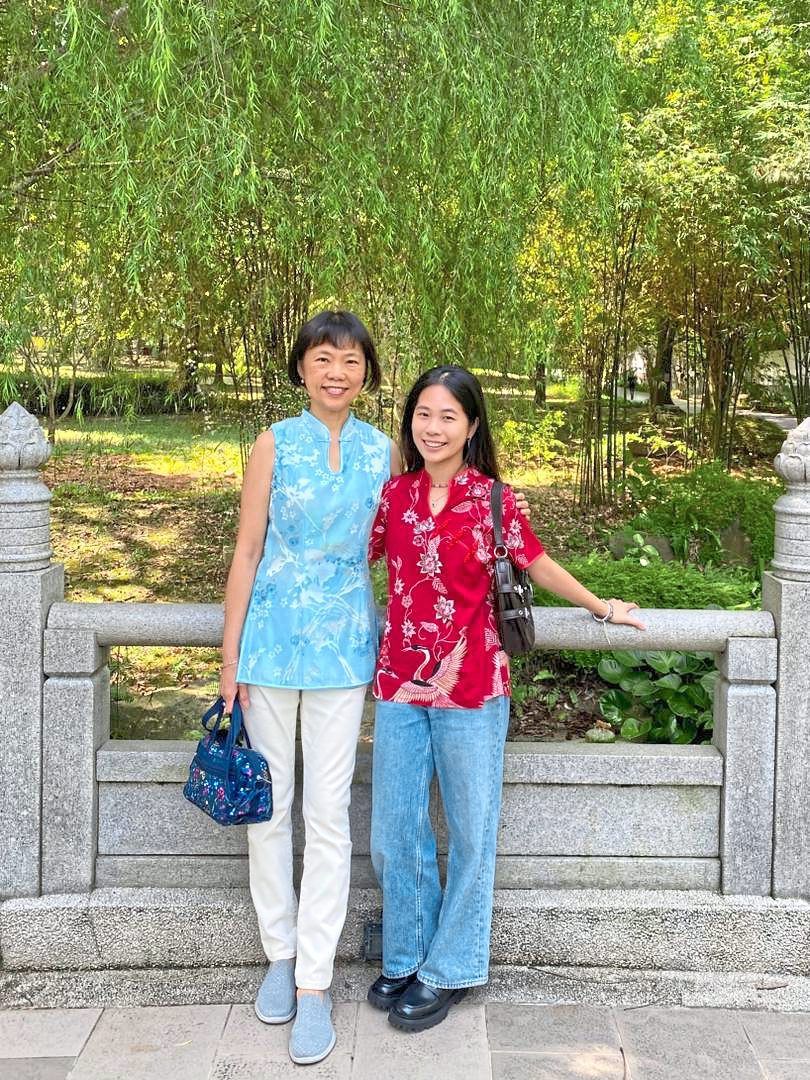
“He said we shouldn’t act like we’re poor. If we dress poorly on the first day, there is the belief that we’ll end up perpetuating it for the rest of the year.”
Over in Shelly Tan’s household, a similar taboo prevails.
“A lot of these superstitions tell us not to do something because it means the rest of our year will turn out exactly like that,” the 23-year-old explains.
A big belief that her family follows is to not let anger get the best of them, especially on the first day of the festivities.
“It should be a time of peace, and if we get angry on the first day then we will continue to be in that state of mind for the rest of the year, which is why we always avoid getting into an argument during the celebration,” she says.
Her elder sister Ashley, 25, agrees with her.
“We still try to follow the common ones at home like not sweeping the floor on the first day, taking out the trash, cutting our hair and giving watches or clocks as gifts,” she adds.
“If you give someone a timepiece during Chinese New Year, it’s seen as telling the receiver of the gift their time is almost up.”
Ashley finds herself cherishing the taboos as they give weight to the celebration.
“You have things to follow, things to avoid. It makes the day feel different from any other day – it makes CNY fun!”
Meanwhile, Jaclyn Chiam, 46, still keeps one major rule close within her family.
“The main one I follow is not sweeping the floor on the first day as it will mean sweeping away all the good luck,” she says.
Bright-coloured clothing is also encouraged to be worn on the first day, darker tones should be kept away in the wardrobe.
United as a family
While some families observe traditions lightly, there are also some who approach it with near ceremonial precision.
“Chinese New Year for us starts way before the first day. My dad is a very spiritual person, so we do a lot of prayers and offerings,” Shelly says.
By the eve of Chinese New Year, a large table stands ready in their home, with paper offerings ready to be assembled and arranged by family members.

“It almost feels like curating a museum piece,” Ashley remarks.
“Every detail matters. We have to make sure everything is in the right place.”
Having to carry that responsibility no doubt comes with pressure, but it is not always unpleasant. For Shelly, understanding how important the tradition is has turned obligation into sentiment.
“When I was younger, I did it because my parents told me to,” she says.
“As I grew up, I started to understand it better. It’s not just to please our parents, it’s also part of our culture. I understand that we have to be united as a family and in order to do that, we have to work together to keep the peace.”
Even in more relaxed households, these superstitions have a way of permeating into the fabrics of the festive day.
Wong describes her family as largely easygoing when it comes to observing the taboos, and they have a reason for that.
“The reason why we only practise the superstitions to a certain extent is because we believe if we are casual about it and do it at our own pace, then there won’t be a high pressure on us to get it right and see it through,” she explains.
“If we can’t commit to it, then we don’t start. We would rather set realistic expectations to respect the day.”
Even so, their reunion dinner comes with one non-negotiable instruction from her grandmother – everyone must eat well.
“She says we have to be full so we’ll never go hungry for the rest of the year,” Wong says.
“That’s something we follow closely to this day.”
Buying new clothes is another ubiquitous habit, echoed across generations.
“It’s a day of celebrating new beginnings, so wearing brand new clothes on the day itself means you’ll always have something on your back,” Wong notes.
Traditions that remain
Time has certainly reshaped how these traditions survive, especially when it comes to rites that rely on being passed down within families.
Chiam reflects on practices apart from just the superstitions. She remembers when reunion dinners meant entire clans returning home, with mothers and grandmothers cooking from morning till night.
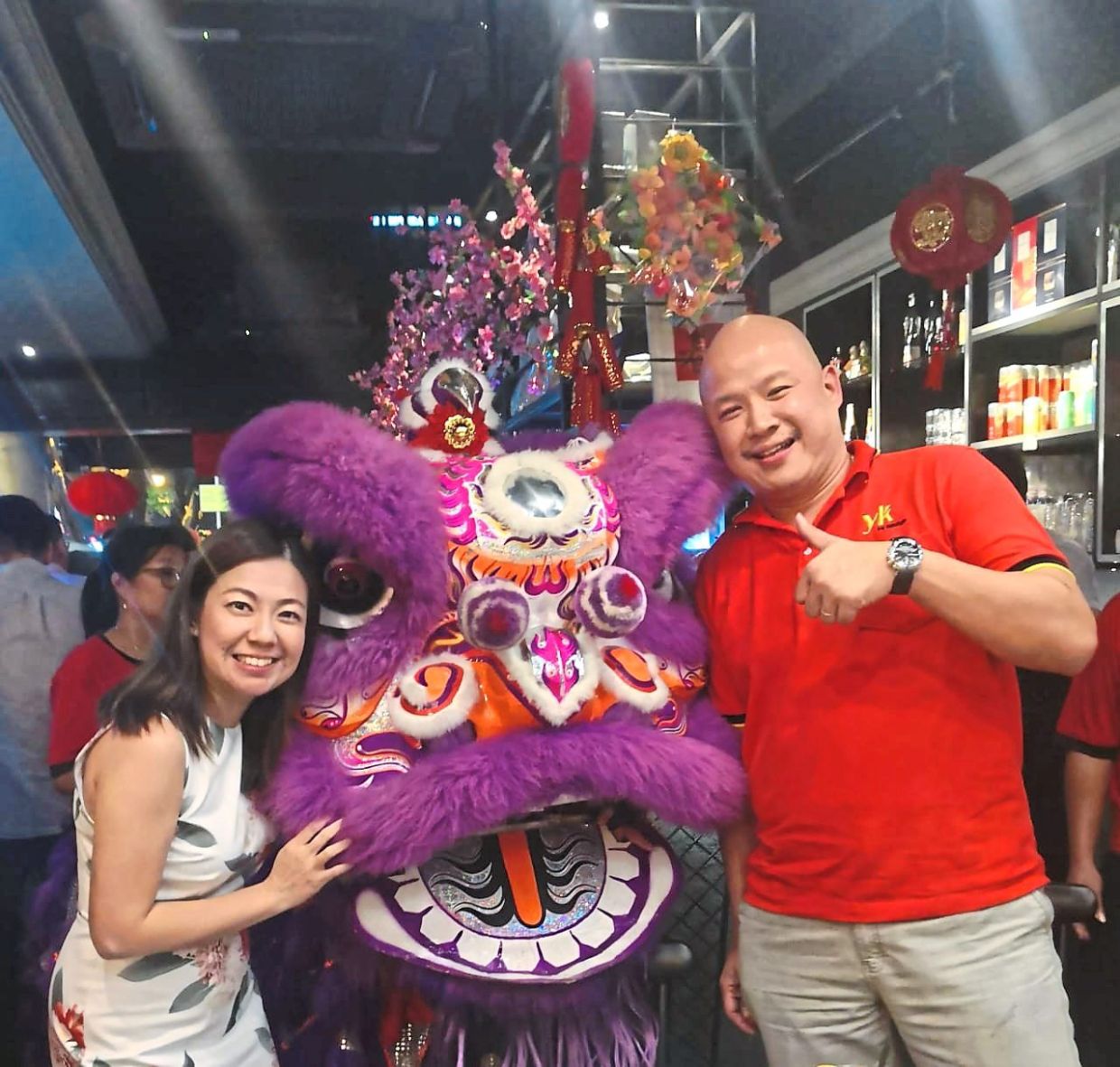
“When my grandparents were still around, everyone made it a point to return back to our hometown for dinner with home-cooked dishes,” she recalls.
“After the older generation has passed on, the younger ones don’t follow the practice that much. These days, each of our families have their own dinner plans outside with immediate family members only. It’s no longer a big family gathering.”
Still, Chiam would very much like to maintain traditions within her own family in the long run as a way to keep the peace of the family.
Across households, the superstitions that endure tend to offer something deeper than just the fear that comes with accidentally breaking the taboos.
“When I was a kid, I never truly understood the significance of these practices,” Wong states.
“Now I understand they’re put there for a reason, and it’s to make this period more sacred – a time for us to cherish our moment together among friends and family because at the end of the day, we want the best for each other when the New Year rolls around. Hence, we carry out these superstitions to avoid any bad luck.”
To her, these practices still matter and she looks forward to adhering to the customs within her own family in the future as a way to bring her family closer together.
“At the end of the day, it’s to each their own because there’s no proven science behind them. But to some degree, it does give you peace of mind when you practice it,” she adds.
Shelly expects she will continue them too, albeit more gently than what she’s used to in her household.
“I’d like to keep the tradition going in my own family, just not as deeply as my parents,” she says.
Ashley echoes her sister, adding her own perspective on why the younger generation may be more hesitant to accept and practise the superstitions.
“The older generations saw the world go through so much change, which makes them believe in bigger things. Compared to us, we’re still experiencing the world and trying to make sense of it,” she explains.
“I’m not fully at that point in my life yet, but I can see myself getting there and embracing these things more.”