



Many parents believe that if their children are learning music, they must first know how to read it.However, as an educator, I’ve seen that this is a common misconception among many Malaysian parents.
This idea is deeply rooted in our society, largely due to the conventional, exam-heavy ways music has been taught here for decades.
It’s interesting that whenever parents see their child "playing by ear," they are surprised and impressed.Yet, when it comes to actual lessons, they still insist the child starts with reading notes.Also, most people view music lessons as something you begin only when a child is old enough to sit quietly, stare at a piece of paper, and decode symbols. By waiting for that stage, we are starting the process far too late.
The science of pruning
Neuroscience tells a different story. By waiting until elementary school to introduce structured music, we miss the most critical window of a child’s brain development.
Between ages zero and three, a toddler’s brain acts like a sponge. In these early years, the brain is busy soaking up sounds and connecting neural cells at lightning speed.But as kids grow, the brain begins "pruning" – it keeps the pathways it uses constantly and gets rid of the rest.
If we engage kids with music before age six, we aren't just teaching a hobby; we are physically changing their brain structure. We are permanently enhancing the areas that handle hearing and motor control. This lays the groundwork for sharper memory, better reading comprehension, and stronger language skills later in life.
Music as a mother tongue
So, what’s the problem? We try to teach kids to read music before they truly know how to hear it. It’s like asking a baby to read a storybook before they can even say their ABCs.
Think about how we learn to talk. We listen for months. Then we babble. Then we speak by copying our parents. We don’t hand a toddler a novel and expect them to read before they can say "Mama."Music should be taught the exact same way.
If we want to raise well-rounded, creative kids, here is the natural progression we should follow:
> Soak it in first: Play music constantly. Let them listen to many different sounds and genres. This builds a massive "mental library" of rhythms before they ever touch an instrument.
> Use the voice: Our voice is the most natural instrument we have. Long before instruments were invented, humans sang. If a child can sing a melody, it proves they actually understand the music in their head.
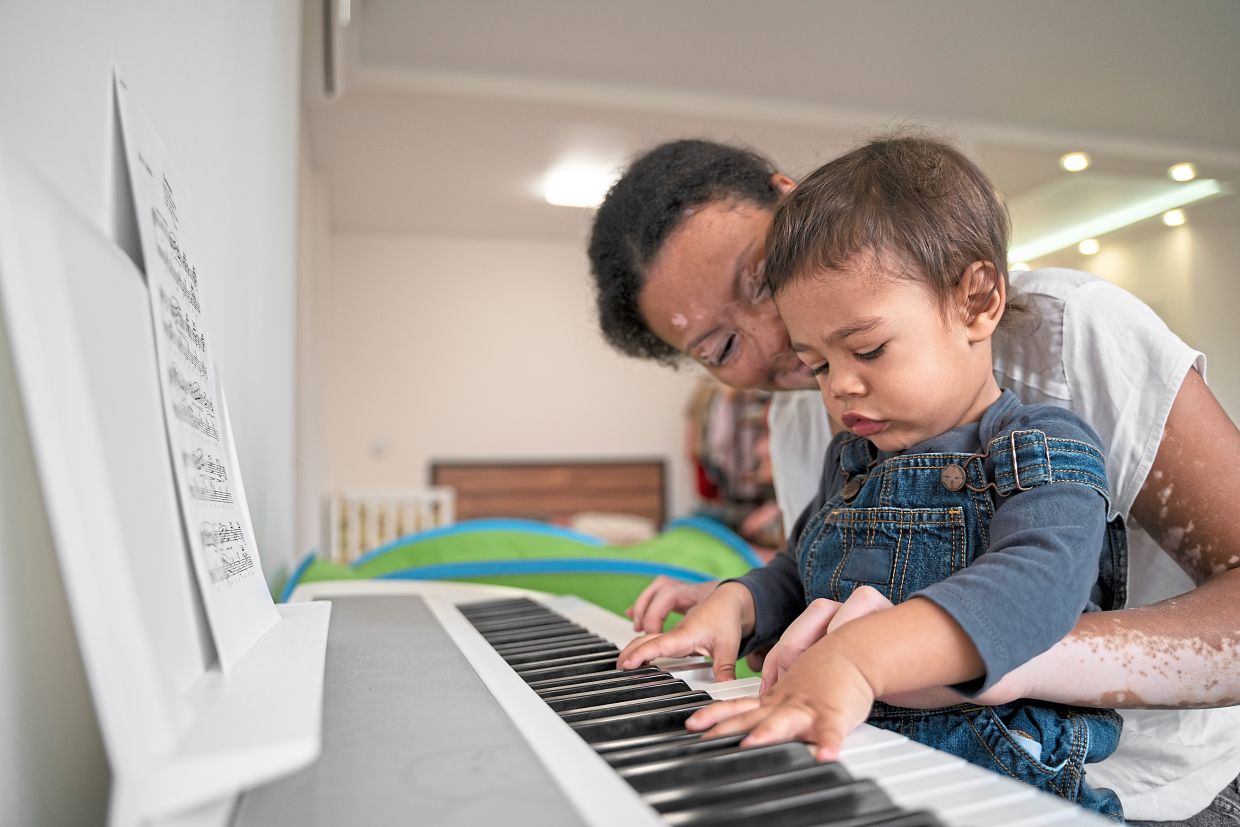
> Play by ear: Figuring out a tune by ear builds a vital brain-to-hand connection. Think about riding a bicycle – our parents didn't ask us to read a manual first; they let us experience it. Music is the same.
> Save reading for later: Literacy is important, but only after the child knows what those notes sound like. This ensures the learning is "solid" and stays with the child for a lifetime.
> Encourage "making things up": Improvising isn't just for jazz pros. Making up silly songs is the musical version of having a conversation. Just as we use individual words to build our own sentences, kids use musical notes to express their own thoughts.
Why this matters
Kids who learn through their ears first get a massive developmental boost. They learn to regulate their emotions, build social confidence and develop better fine motor skills.It deepens their logic, improves their memory and increases their concentration.
But it all starts with one rule: Sound must come before sight.
Forcing sheet music on a young child too early can kill their natural ear for music, turning a joyful, creative process into a rigid chore. Every child is born musical. It is up to us to give them the right environment to let that music out.
Leong Ka Shem is early childhood music educator at Yamaha Malaysia. The views expressed here are the writer’s own.

