Gambus maker Halidan Ithnin, 59, is proud to be a Johorean, and that is reflected in every instrument he creates, each adorned with motifs inspired by Malaysia’s southern state.
Though the gambus traces its origins to the Middle East, the award-winning craftsman from Parit Raja in Batu Pahat, Johor has long been blending Malaysian-inspired designs into his work.
“But over the years, we have created a version with a distinct Johorean identity,” says Halidan, who was recently in Kuala Lumpur for an event organised by Kraftangan Malaysia.
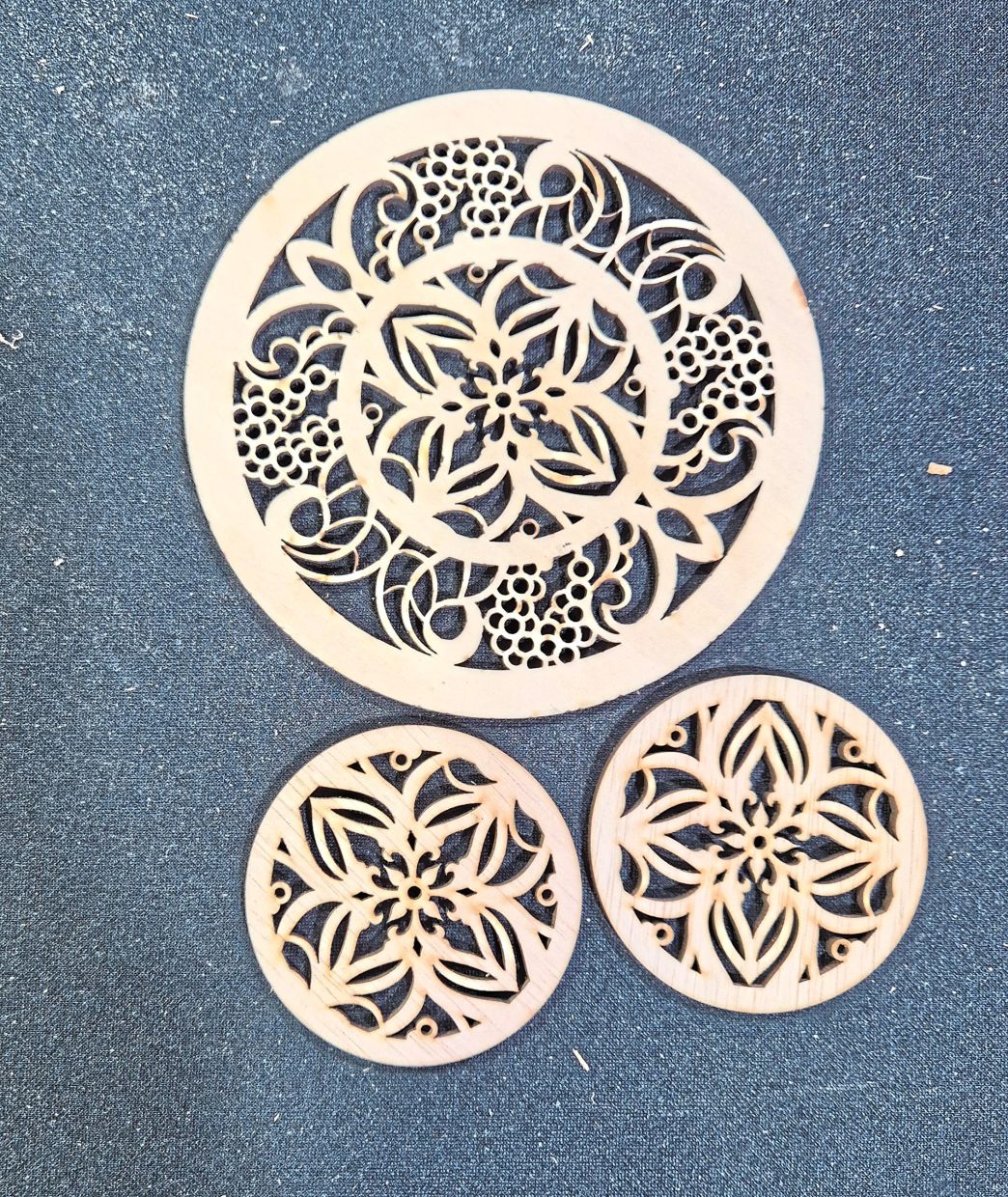
Where older instruments featured geometric Middle Eastern motifs, Halidan incorporates elements that represent Malaysia, including flora, fauna and batik patterns, into its three sound holes.
More recently, he has been creating gambus decorated with black pepper motifs, something closely associated with Johor, the second-largest pepper-producing state on the peninsula after Terengganu.
“We try to give it a look that truly represents Johor,” says Halidan, who has been crafting the instrument for over 30 years.
Three years ago, he earned the prestigious title Adiguru Kraf Gambus from Kraftangan Malaysia, an honour that recognises craftsmen for their mastery and lifelong contribution to the traditional art form.
Halidan first learned the craft from his uncle, renowned gambus maker Hassan Osman, who had taken care of Halidan since he was three years old.

Along the way, he also assisted his uncle in repairing and making kompang and drums used in samrah performances lively traditional Malay music and dance staged at weddings and festive occasions in Johor.
His uncle also crafted the gambus for the late Attan Hassan, one of the pioneering gambus players in Johor in the 1950s.
Today, Halidan makes instruments for Attan’s son, Zaidan Attan, a gambus musician and teacher.
Initially, Halidan did not plan to pursue the craft. He worked as a quantity surveyor with the Agriculture Department in Batu Pahat, a role that required him to work outstation and return home only on weekends.
“I didn’t get to spend much time with my wife and family. That made me think – why not learn a skill in making musical instruments so I could work from home and spend more time with my children?”
From the heart
Halidan favours Malaysian timber such as meranti, cempedak and perah for crafting his gambus. Some are purchased from timber shops, while others are salvaged from discarded wood that might otherwise be used as firewood.
“I want it to be kayu Malaysia (Malaysian wood),” he says. “I want the gambus to be part of our identity.”
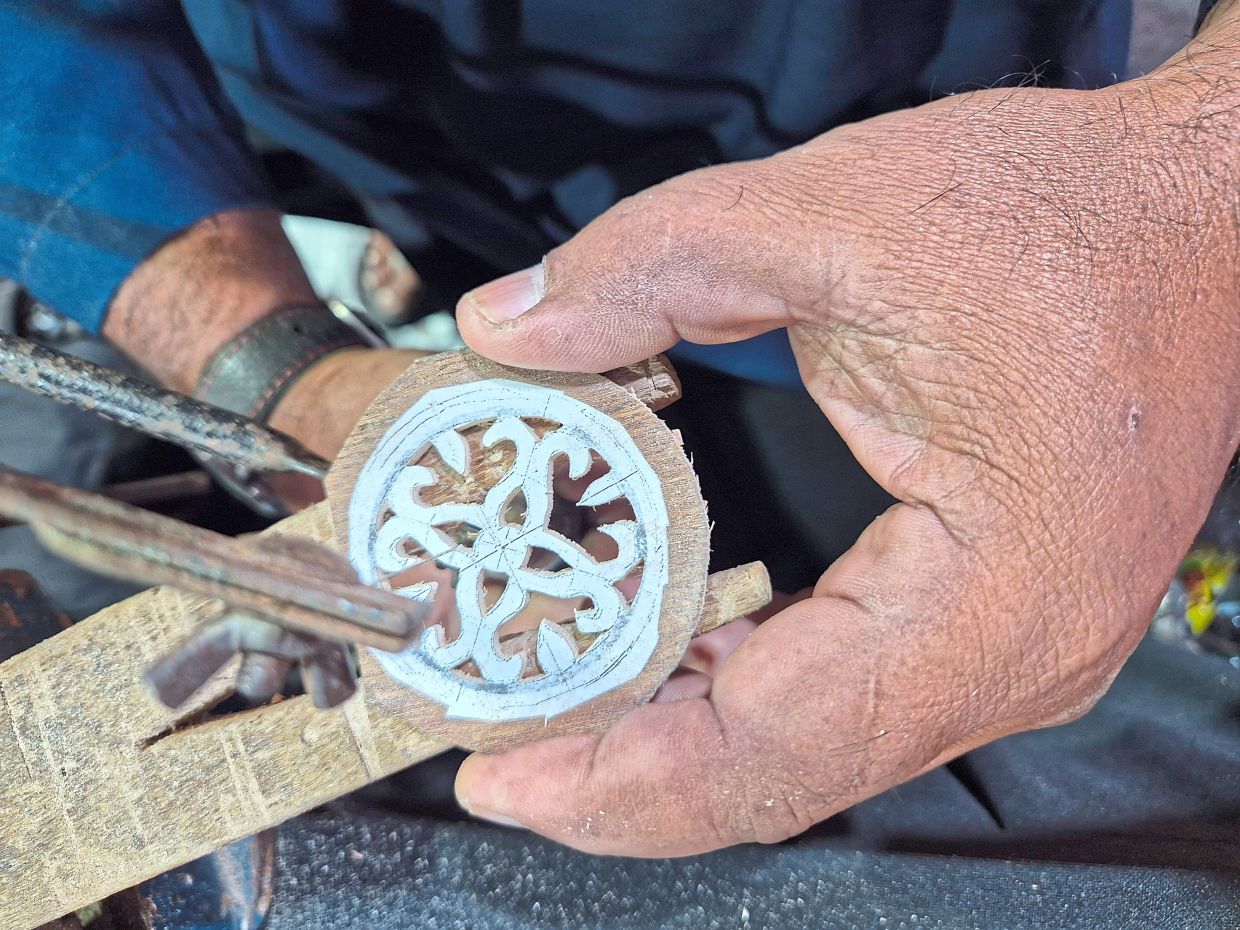
Each piece is shaped individually before being assembled, a process that takes three to four weeks, including sanding, varnishing and fitting the nylon or oud strings. The tone depends on the type of wood, the strings, and ultimately, the player’s skill.
“It’s work that requires patience and soul. Wood can crack, and varnish must be layered carefully,” says Halidan.
In a good month, he produces three to four instruments, priced between RM1,500 and RM2,500 each, depending on the wood, craftsmanship and size (kids or adults). A well-cared-for gambus can last over 20 years.
However, Halidan admits that these days, competition is stiff.
“Cheaper instruments imported from Indonesia are readily available online, and many gambus today are purchased as ceremonial gifts rather than for performance. I will continue making my handcrafted instruments for as long as I can.
“I’ve tried to teach my son, but sadly, he isn’t interested. The knowledge of gambus-making is valuable, but this work cannot be forced – it must come from the heart.”
And perhaps, when the time is right, the next generation will find its way back to the workshop to keep the family’s legacy alive.
Crafting a legacy
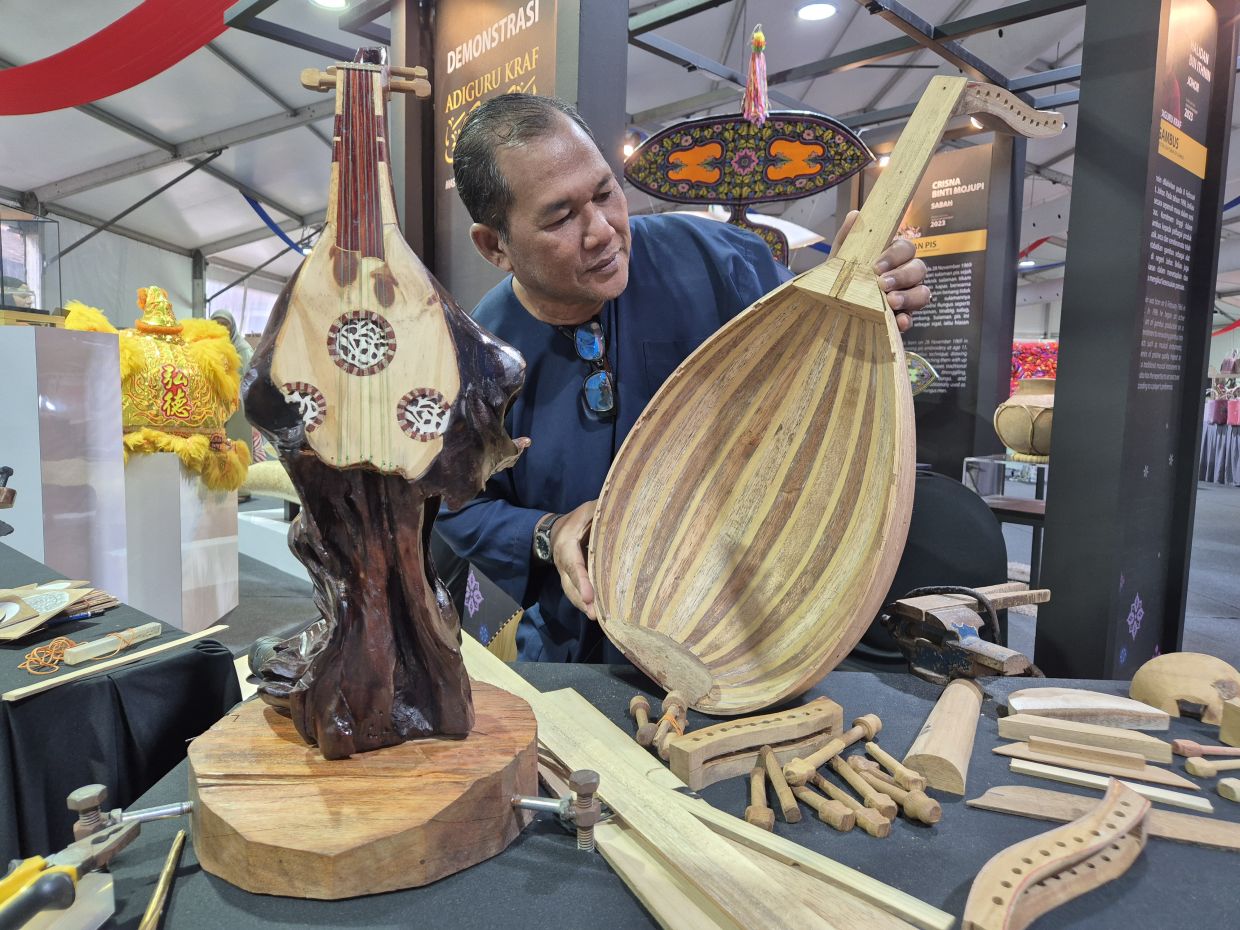
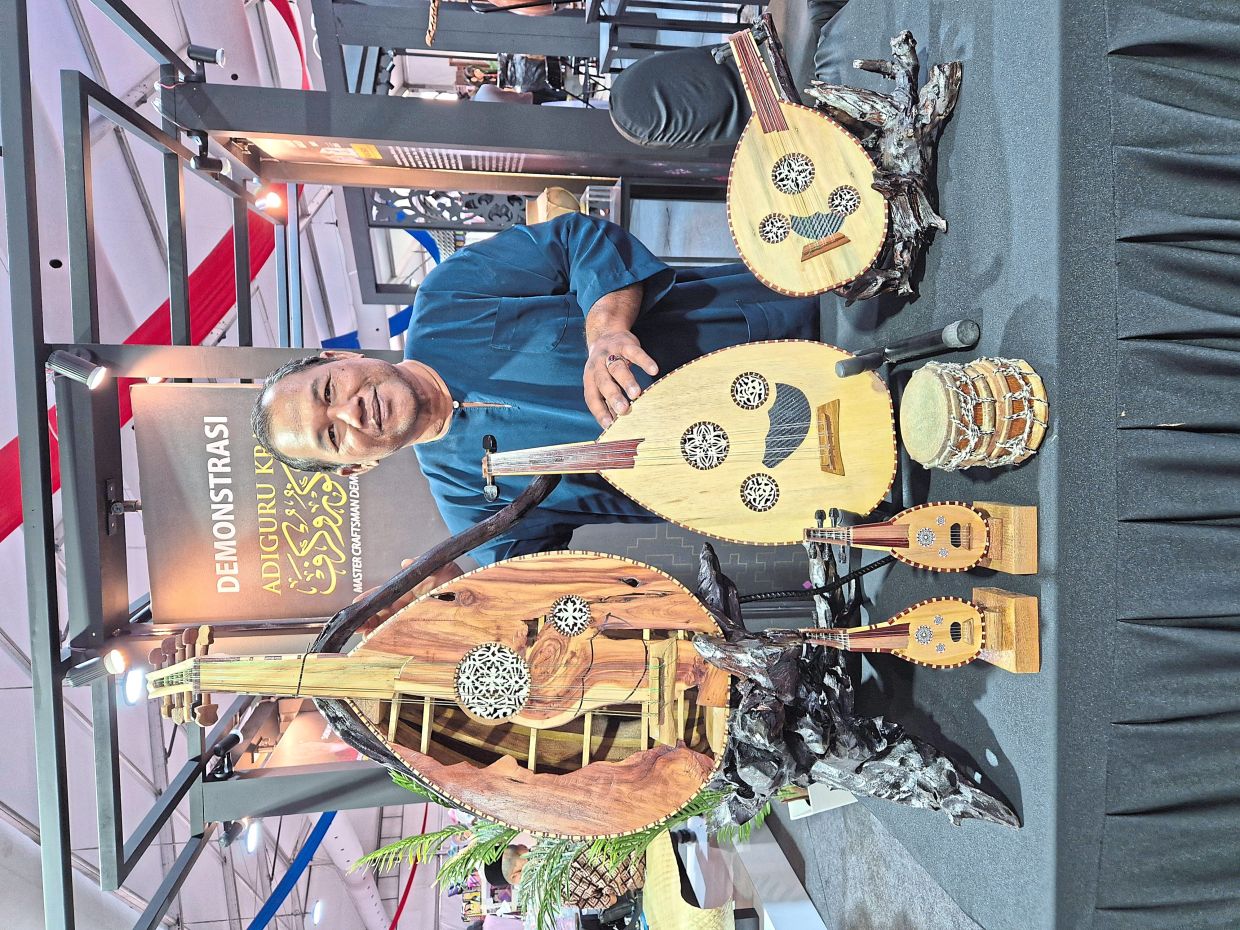
Halidan says each handcrafted gambus takes weeks to complete, with every component carefully shaped, assembled and finished by hand. Photos: The Star/Sheela Chandran
The gambus remains an important symbol of Johor’s rich musical heritage, says Halidan.
Photo: The Star/Sheela Chandran
The gambus has become a distinctive part of Johor’s cultural identity, says Halidan.
Photo: The Star/Sheela Chandran
Black pepper motifs, inspired by Johor’s agricultural heritage, are attached to the gambus' sound holes.
Photo: The Star/Sheela Chandran
The gambus features detailed Malay carvings inspired by local heritage.
Photo: The Star/Sheela Chandran