
Lecturer Dr Lee Chan Wai grew up in Kluang, Johor and for as long as he could remember, his family’s Chinese New Year reunion dinners were grand affairs at home.
When his father, retiree Lee Poi Kan was still alive, there was little question about how the festivities would be celebrated.
“My father was very traditional,” recalls Lee, 49. “He really loved Chinese New Year and believed that the family must be together, no matter what. The reunion dinner was the main highlight, and preparations began days in advance,” he says during an interview in Mont Kiara, Kuala Lumpur.
Lee and his three elder sisters would chip in to help their mother, homemaker Tan Hick Siw, prepare festive treats such as kuih kapit, butter cookies and peanut cookies.
Tan, 87, still remembers those years clearly. The reunion dinner was always homecooked, and she spent hours preparing every dish in the kitchen.
“Beef rendang, achar, yam baskets, braised mushrooms, cakes... aiyoh, all sorts of treats. I made everything myself. I used to be completely exhausted after the reunion dinner,” the friendly octogenarian quips, rolling her eyes.
While some families travelled to their hometowns during the festive period, Lee’s family rarely did. At most, they would return to Pekan in Pahang, his father’s hometown.
Leisure travel was uncommon in the 1980s, especially during Chinese New Year, which was seen as a time to observe tradition rather than go on holidays.
Family trips abroad typically happened only during school holidays.
That changed in 2018, after Lee’s father passed away.
“The first year after Dad died, we didn’t celebrate at all,” says Lee, the youngest of four siblings.
“Everything felt very quiet,” adds the assistant professor, who is attached to the Faculty of Science and Engineering at a private university in Semenyih, Selangor.
With fewer social obligations and no longer hosting gatherings, the family began to rethink how to celebrate together. Travelling felt like a natural option.
“If it’s just us, why not go away and enjoy ourselves together?” Lee says.
With two sisters married, Lee now celebrates it with his mother, his sister, laboratory manager Lee Chi Kuen, 51, who is single and his daughter, Lee Tokiho, 10.
In recent years, the family has marked the festivities in Langkawi, Kedah, Cherating in Pahang, and twice in Cameron Highlands.
A 2023 study by Universiti Utara Malaysia titled “Malaysian Family Vacations Profiles and its Contributions to Family Bonding” found that family vacations strengthen relationships by improving bonding and contributing positively to family stability.
The study, published in online platform Researchgate stated that families reported feeling closer and more connected after shared travel experiences.
A recent article in The Star, “Finding joy in simpler celebrations” (Feb 7, 2026), states that rising costs and changing lifestyles are seeing more families prioritising food and family time.
More families make their own festive snacks and they prefer having simpler meals during the celebration as long as the family is together.
Stronger bonds
This year, Chinese New Year will be spent in Kuantan, where Lee’s eldest sister, accountant Lee Shu Kuen, 55, is based.
Lee admits the shift from a home-centred celebration to travelling takes time to get used to.
One of the biggest changes was dining out for reunion dinner, no longer enjoying his mother’s homecooked dishes.
“For years, we were spoiled by Mummy’s delicious food. After Dad died, everything suddenly stopped,” he shares.
“During the pandemic, when we couldn’t travel, we had food delivered to the house. That was a big change for everyone, including Mummy. One year, we even went to a Chinese restaurant for reunion dinner. The food was okay, but it felt very commercial; they kept trying to upsell the menu. That’s when we realised how big a business reunion dinners had become.”
But Tan feels dining out has become a practical necessity for her family.
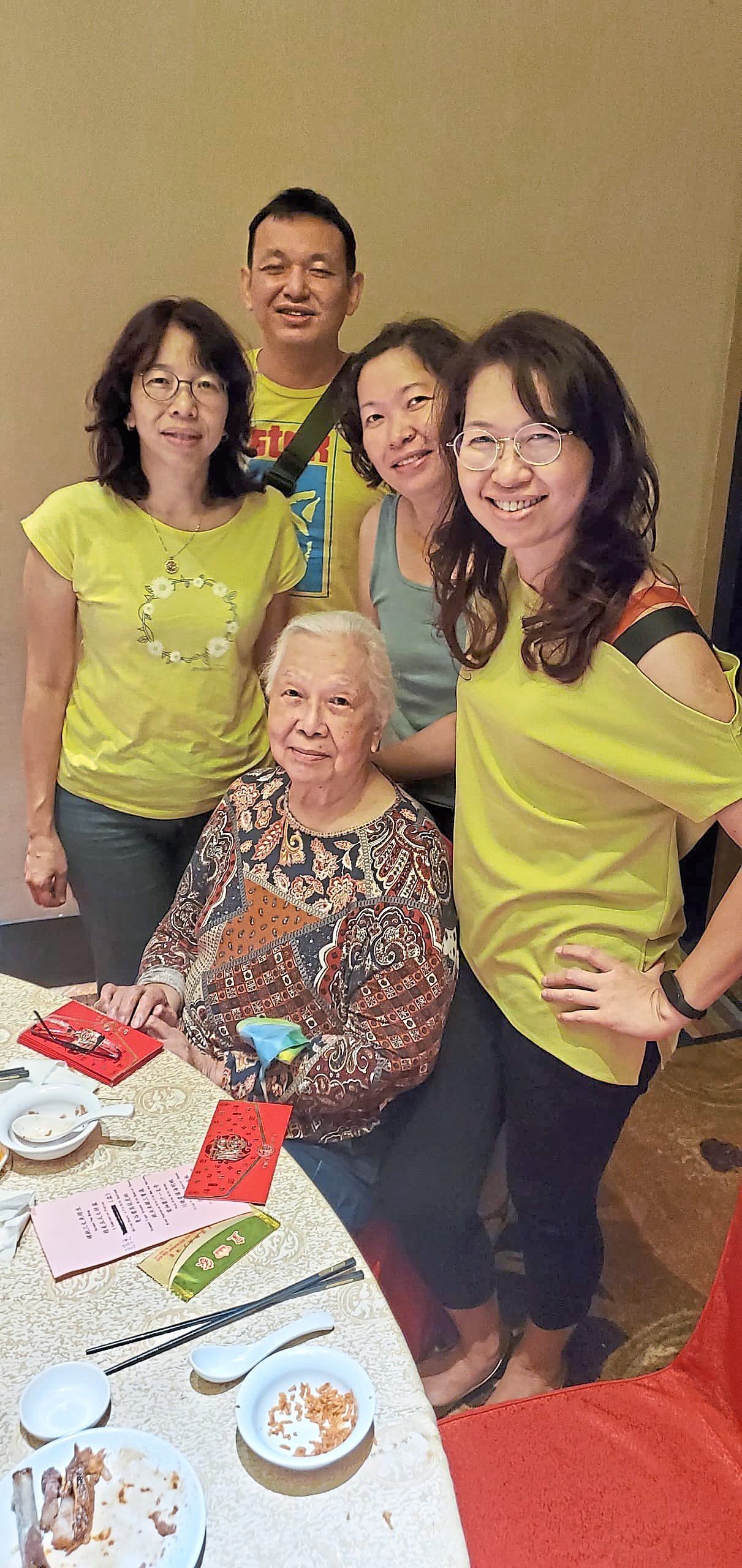
The shift also reflects a broader social change. Lee acknowledges that urbanisation and changing lifestyles have reshaped how families observe the celebration.
“These days, with both parents working and families living in cities, fewer households have the time and space to host large gatherings,” he says.
“Reunion dinners at restaurants, once considered unusual, are now common, with many venues fully booked weeks in advance.”
Tan says families used to prepare everything themselves, but convenience has changed that.
“Last time, everyone made cookies,” she says. “Now, people just buy them.”
With changing times, there are also concerns that traditional dishes and recipes may gradually fade as convenience takes precedence. Without hours spent in the kitchen together, fewer opportunities exist for the younger generations to learn the flavours and techniques that once defined the festive season.
Despite these changes, both mother and son stress that the essence of Chinese New Year remains intact. “As long as the family is together, it doesn’t matter where we are,” Tan says. “That’s what we were taught.”
For Lee, travelling during the celebration is not about abandoning tradition, but adapting it to fit the family’s current reality. “Time passes very fast,” he says. “My mum is getting older, my sisters have their own families and everyone is busy. Travelling together gives us time that we otherwise wouldn’t have.”
Their experiences reflect a quieter shift – where togetherness is no longer tied to a fixed location, but shared moments families choose to create, even when some traditions change.
Different tradition, same family ties
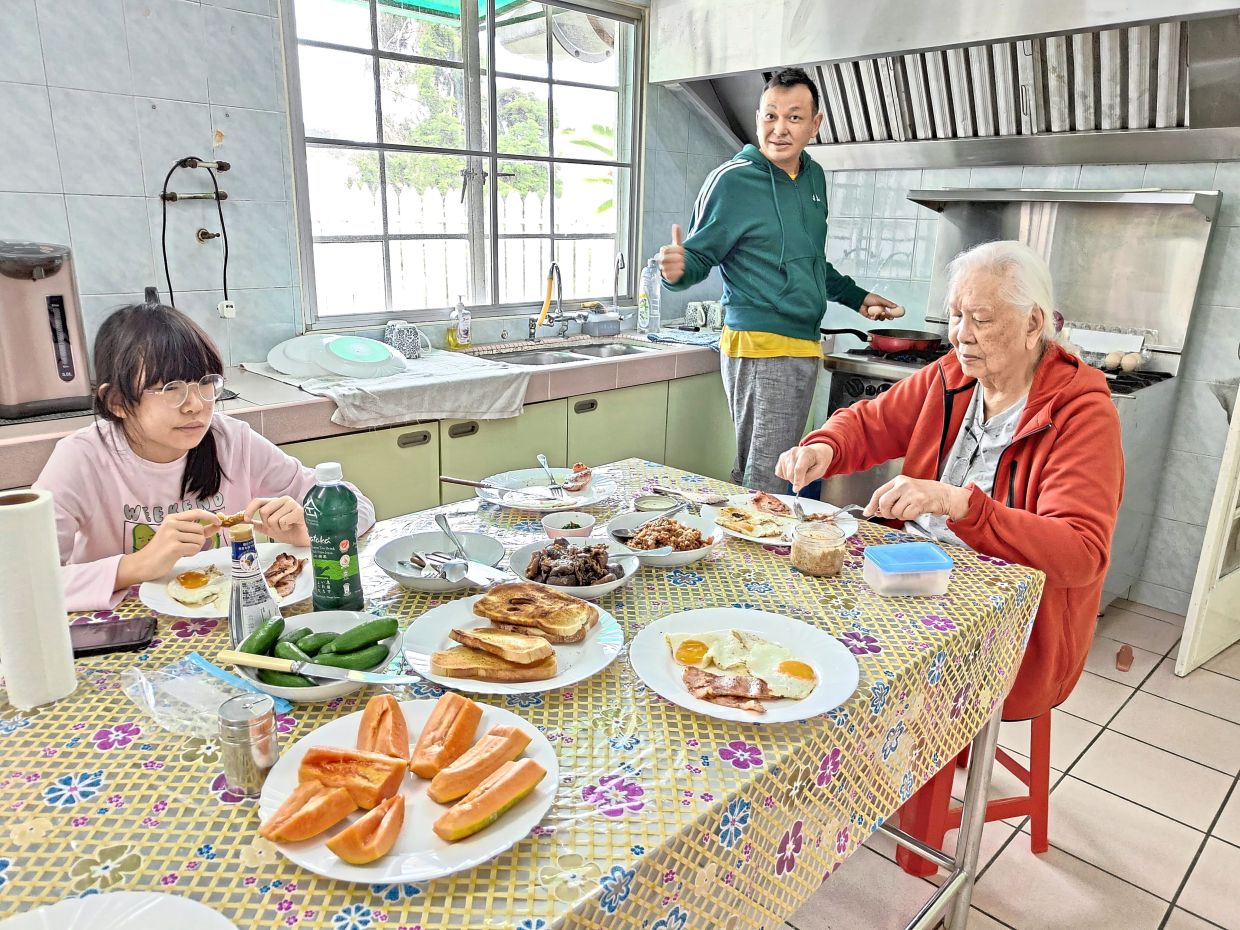
Tan (right), Lee (centre) and Tokiho at last year’s Chinese New Year celebrations in Cameron Highlands, Pahang. Photo: Dr Lee Chan Wai
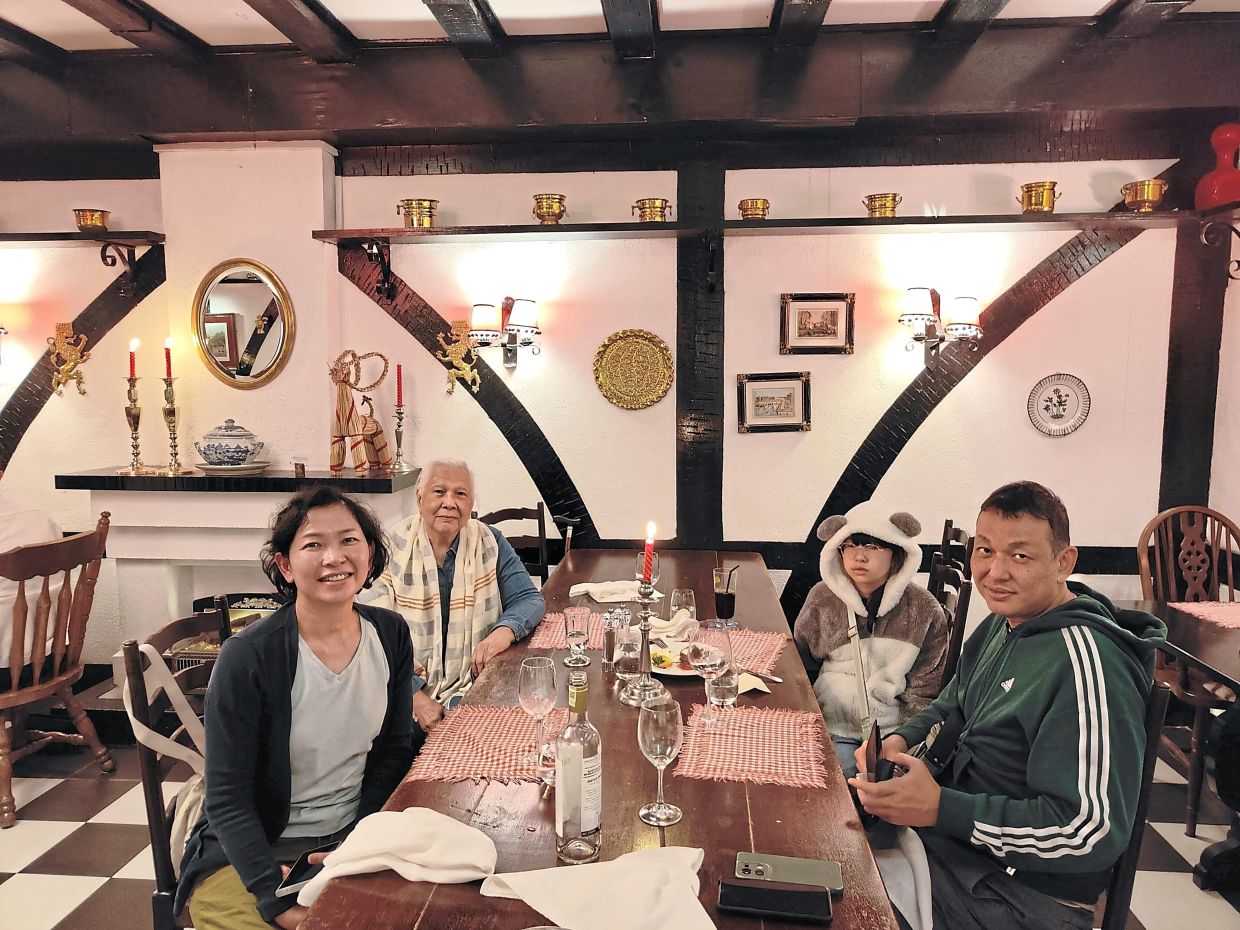
(From left) Chi Kuen, Tan, Tokiho and Lee enjoying a family getaway in Cameron Highlands, making the most of their Chinese New Year together. Photos: Lee Chi Kuen
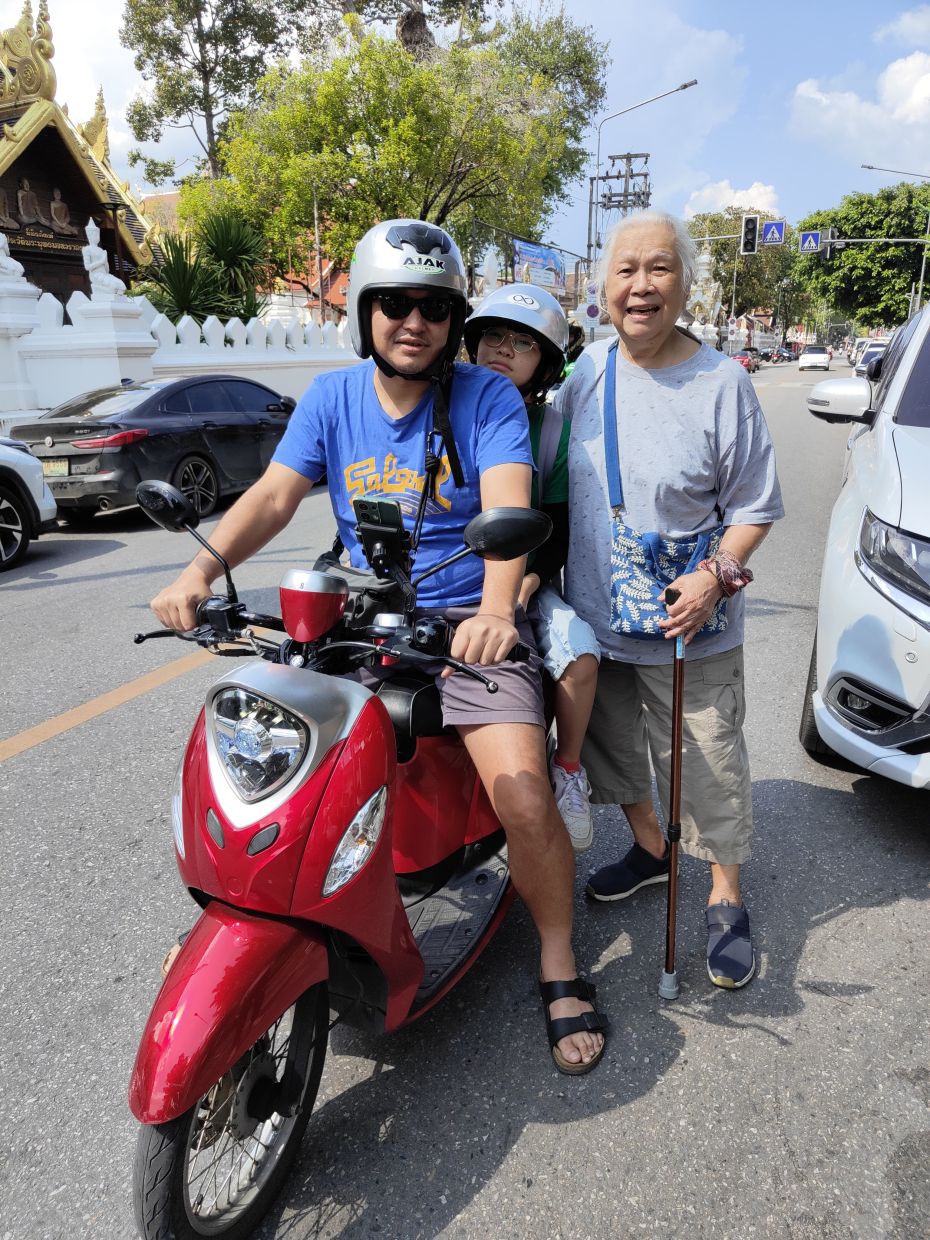
From left: Lee, Tokiho and Tan share good memories of their overseas trips during Chinese New Year. Photo: Dr Lee Chan Wai
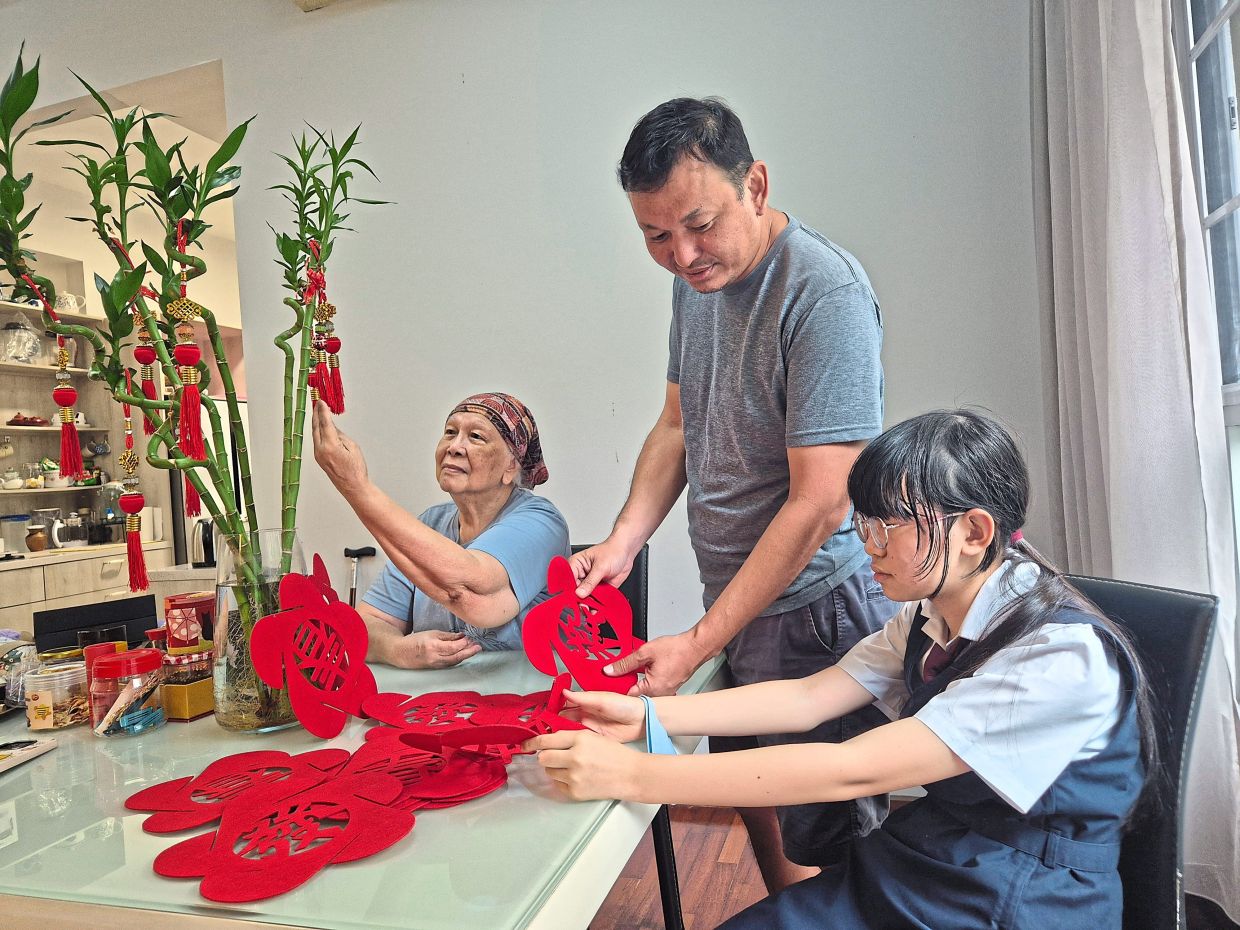
Tan (left) together with her son Lee (centre) and granddaughter Tokiho decorate their home in time for the upcoming Chinese New Year. Photo: The Star/Sheela Chandran
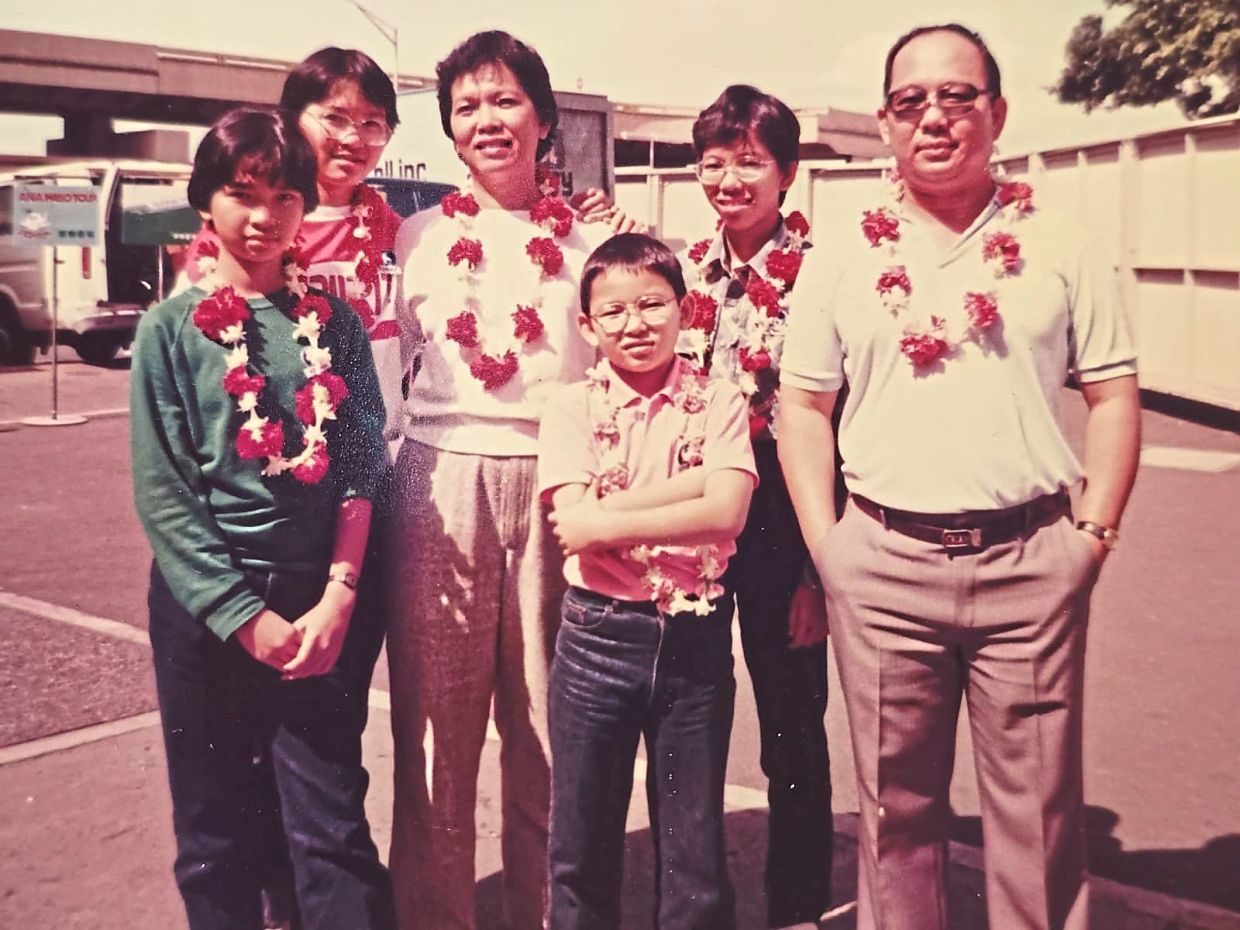
From left: Chi Kuen, Yin Kuen, Tan, Lee, Shu Kuen and the family patriach, the late Lee Poi Kan, during a holiday in Hawaii, the United States in 1985.
Photo: Lee Chi Kuen
Clockwise from top right: Lee, Chi Kuen, Yin Kuen, Tan and Shu Kuen. Photo: Lee Yin Kuen