
One of the most important milestones for kids growing up is the transition from childhood to adolescence, marked by puberty.
On average, the onset of puberty can arrive between the ages of eight and 13 for girls, and nine to 14 for boys. But for some children, it can begin even earlier.
Known as precocious puberty, it is a condition where a child’s body starts developing faster than expected, with girls more prone to experiencing it.
“Precocious puberty means puberty is starting way too early. For girls, it’s before eight years old. For boys, it’s before nine years old,” says consultant paediatrician Dr Khairunnisa’ Mohamad Khalil.
“The process is the same as normal puberty, it’s just happening much earlier than the body is ready for, physically and emotionally,” she says.
For Amy (who uses a pseudonym), the early signs of precocious puberty in her daughter Sarah appeared when she was seven.
“I noticed her chest started developing and she kept complaining that it hurts at times,” the 40-year-old mother recalls.
Hair growth soon followed, but Amy initially thought it was just a growth issue and not something serious.
But when Sarah got her first period later that year, she realised something wasn’t right and took her to get checked.
“Doctors did a bone age X-ray to determine the growth of her bones and did hormone tests, which revealed that she was definitely dealing with the condition.”
Spotting early signs
Most cases of precocious puberty are triggered when the brain’s hormone centre switches on earlier than it should.
“In a small number of children, there may be an underlying issue such as brain abnormality or a thyroid condition, but most kids with this condition are otherwise healthy.”
Apart from going through physical changes, the affected kids may also struggle emotionally and socially.
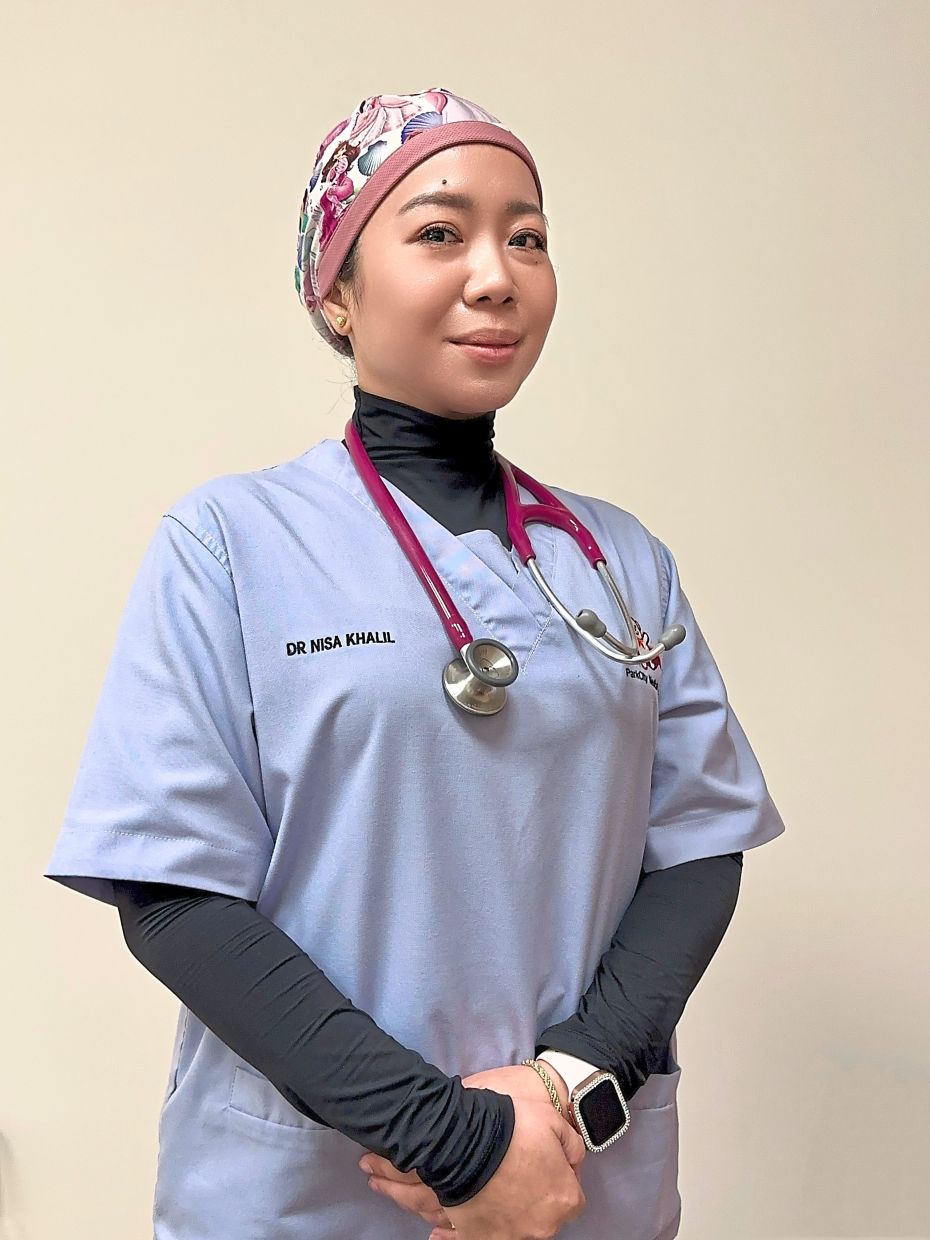
“A child going through early changes may feel confused, embarrassed or different from their friends,” Dr Khairunnisa’ adds.
Studies have also linked early puberty to higher risks of anxiety, low self-esteem and depression later in life, which makes it crucial for these kids to have a supportive home and school environments.
Dr Khairunnisa’ suggests that parents keep their eyes out for early signs such as breast development and pubic hair in girls, or testicular enlargement and voice changes in boys. Other signs include growth spurts, body odour and sudden mood changes.
“If these appear too early, it’s important to bring your child to a paediatrician because early puberty needs specialised assessment to determine what’s normal and what’s not. Paediatricians will usually assess growth, run some tests and take a bone age X-ray.”
If puberty progresses too quickly, a safe and well-studied treatment can be prescribed to temporarily pause the process.
In Sarah’s case, the doctor advised against immediate medical treatment as her growth rate was not progressing at a rapid pace.
“We were advised to improve her diet and to do regular checkups. I make sure she eats healthy by avoiding excessive sugar, processed food and dairy as much as possible.”
The changes were overwhelming for Sarah at first, especially considering how she barely understood anything about puberty at that young age.
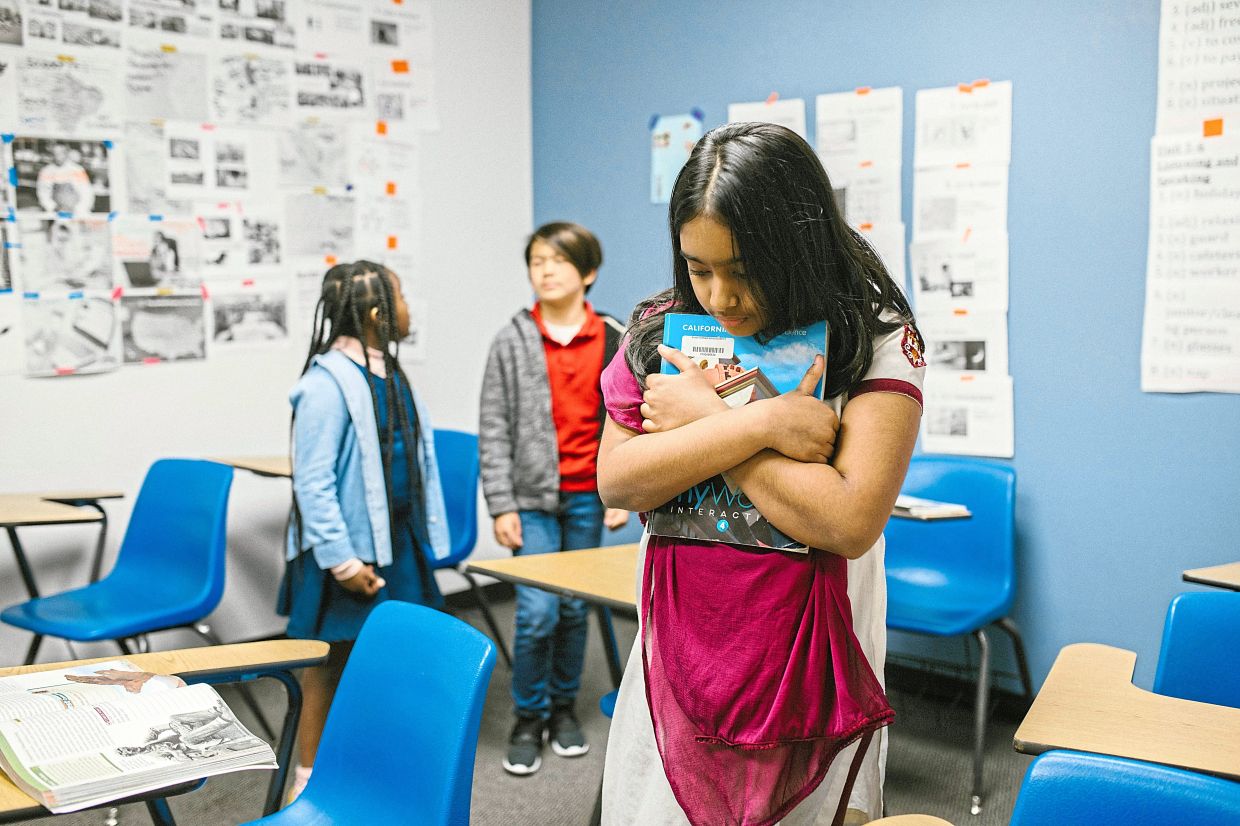
“When she started getting her period, it became even worse because sometimes she would refuse to go to school as she was afraid her friends and teachers would find out,” Amy says.
“Even with a better understanding of her body now, she still feels shy around other girl classmates at school – especially when they have to change clothes after playing sports or for the afternoon co-curricular activities.”
Being there and finding help
Although it may be easy to brush off these early changes in a child’s body as early maturity, it can’t be denied that doctors are increasingly seeing this condition in more children both locally and globally.
“A long-term review from Hospital Putrajaya showed that almost 97% of cases were girls, which matches what other countries are reporting,” notes Dr Khairunnisa’.
The high trend of reported cases can be attributed to an improved awareness among parents about this issue, but lifestyle and environmental factors are also known to contribute.
Higher body weight, reduced physical activity and increased exposure to hormone-disrupting chemicals through food or personal care products play big roles in influencing when puberty begins.
“In fact, during the Covid-19 pandemic lockdowns, several studies noted a spike in early puberty cases, likely because children were less active, more stressed and spent more time indoors,” she explains.
Amy says as Sarah grows up (she is nine this year), she is seeing some improvement. “I see her getting better at emotionally dealing with this. She is also slowly accepting her body.”
For other parents facing similar concerns, Amy shares the same sentiment as Dr Khairunnisa’, which is to not be afraid of seeking help the moment they feel something is unusual about their child.
“Your child is not abnormal. This is just a medical condition and it can be treated if needed,” Amy says.
“The most important thing is to never make them feel scared of their own bodies and to always be there and help them navigate it.”
“Parents should not panic. Just keep an eye on any changes and see a paediatrician for an evaluation if something feels off. With the right support, timely advice and intervention, these children often do very well,” Dr Khairunnisa’ concludes.