No one likes to get injured.
But it happens to the best of us and derails our fitness plans.
It’s frustrating to be sidelined by unexpected pain, and the rehabilitation back to your former fitness level can be even more depressing (I know firsthand!).
Injuries can occur for multiple reasons, but it’s important that we analyse why it happened in order to minimise its recurrence in the future.
That said, here are the five most common exercise-related injuries and what you can do to prevent them.
You don’t even have to exercise to get lower back pain.
According to statistics, almost 80% of people experience lower back pain at some point during their life from poor posture and prolonged sitting.
If it happens during a workout, chances are that you’ve strained the muscles surrounding the spine.
If you feel a sudden twinge or pulling sensation, you’ve likely pushed beyond your limits, which could lead to nerve compression or disc herniation if not addressed promptly.
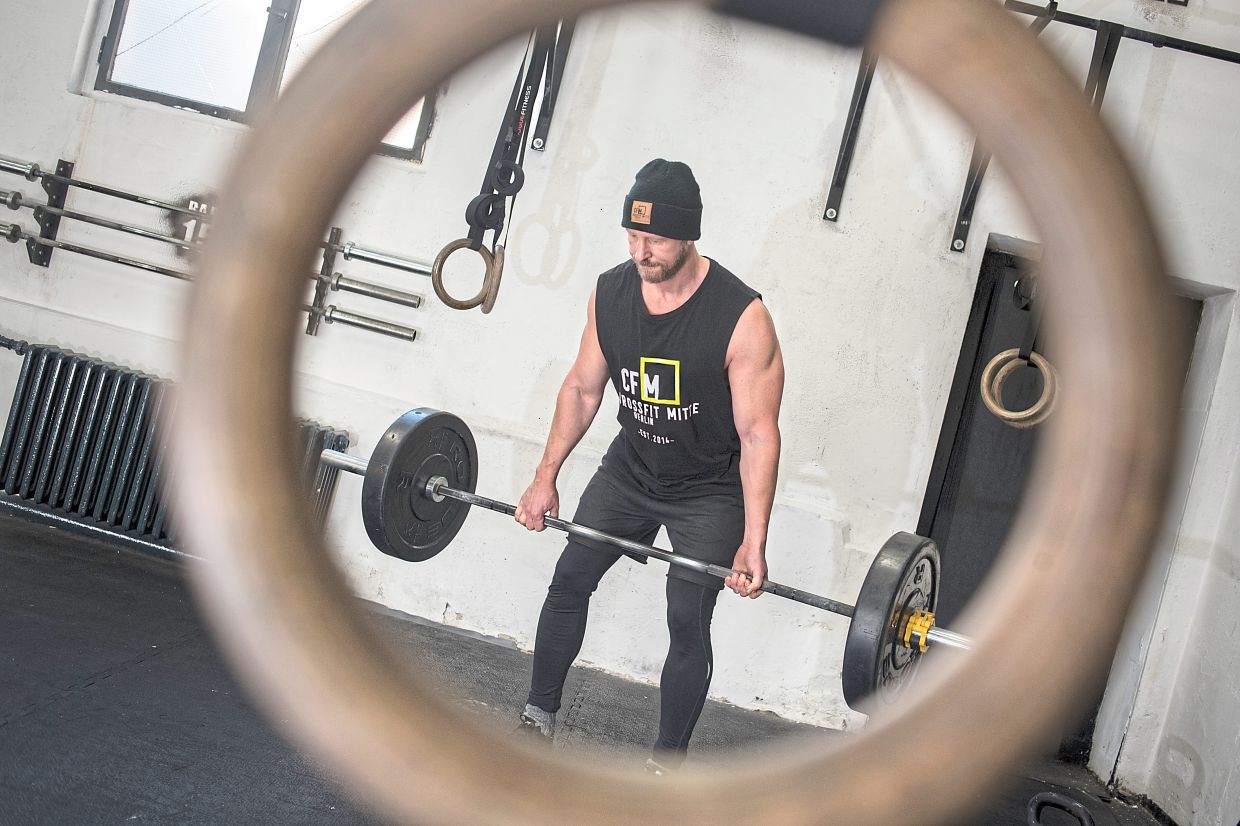
Squats, deadlifts and (surprise!) planks with improper form or heavy weights, are the biggest culprits for lower back injuries, but twisting motions or sideways bends can also place strain on the area.
Prevention tips:
Please warm up the back, especially before doing deadlifts and squats.
Maintain a neutral spine and engage your core muscles when you lift weights, but more importantly, correct your form before adding on weights.
If you are unsure what proper form is, ask a qualified personal trainer for assistance.
Never attempt too much (both repetition and load-wise) too soon to prevent overuse injuries – increase your load gradually.
If you feel a twitch, avoid exercises that put excessive strain on the lower back, such as heavy deadlifts and squats.
Or give yourself a few days of rest before resuming your workout.
Shoulder injuries can range from mild strains to severe tears, and can be caused by a variety of factors, including overuse, improper form, tight muscles and lack of warm-up.
It can cause a range of symptoms, including pain, weakness, stiffness and limited range of motion in the shoulder joint.
Exercises such as push-ups, shoulder presses, bench presses, pull-ups and those involving repetitive overhead movements, such as in swimming, tennis, basketball, baseball and weightlifting, can strain the shoulder structures.
Specific exercises like upright rows, behind-the-neck presses and lateral raises with palms down can also contribute to shoulder injuries.
Prevention tips:
Often, injuries are due to poor shoulder mobility or posture, and muscle imbalances between the front (pectoral muscles) and back of the shoulders.
So, don’t leave out shoulder mobility exercises in your warm-up.
We are all prone to tight muscles and if your shoulders feel tight or sore, skip the overhead lifts until mobility improves.
Don’t push through the discomfort as it will only worsen the pain and injury.
The wrist is a complex structure composed of multiple smaller joints, which has a high degree of mobility – but high mobility and instability often go hand-in-hand.
Performing one too many barbell curls with a straight bar, or doing a workout consisting of a ton of push-ups, can overload the tiny wrist and strain the surrounding muscles.
A wrist sprain (injury to ligaments) or strain (injury to tendons or muscles) can also be caused by lifting weights with poor wrist alignment, overusing the joint and not giving it adequate rest, a weak grip and excessive load.
Yoga practitioners are also prone to wrist strains due to all the arm balances they attempt.
Since the wrists support the entire body weight, there is a tendency to injure them.
Prevention tips:
Strengthen the wrists using light dumbbells or a resistance band.
Use wrist wraps or support if needed when you’re lifting heavy weights.
Modify exercises to reduce wrist extension, e.g. use push-up bars or dumbbells instead of placing your palms flat on the floor.
Better yet, find a bar and hang from it: dead hangs primarily strengthen the muscles in your hands, wrists and forearms, improving grip strength, which is crucial for wrist stability.
Twisting an ankle can happen to anyone, anywhere, anytime from running, jumping, dancing or just walking.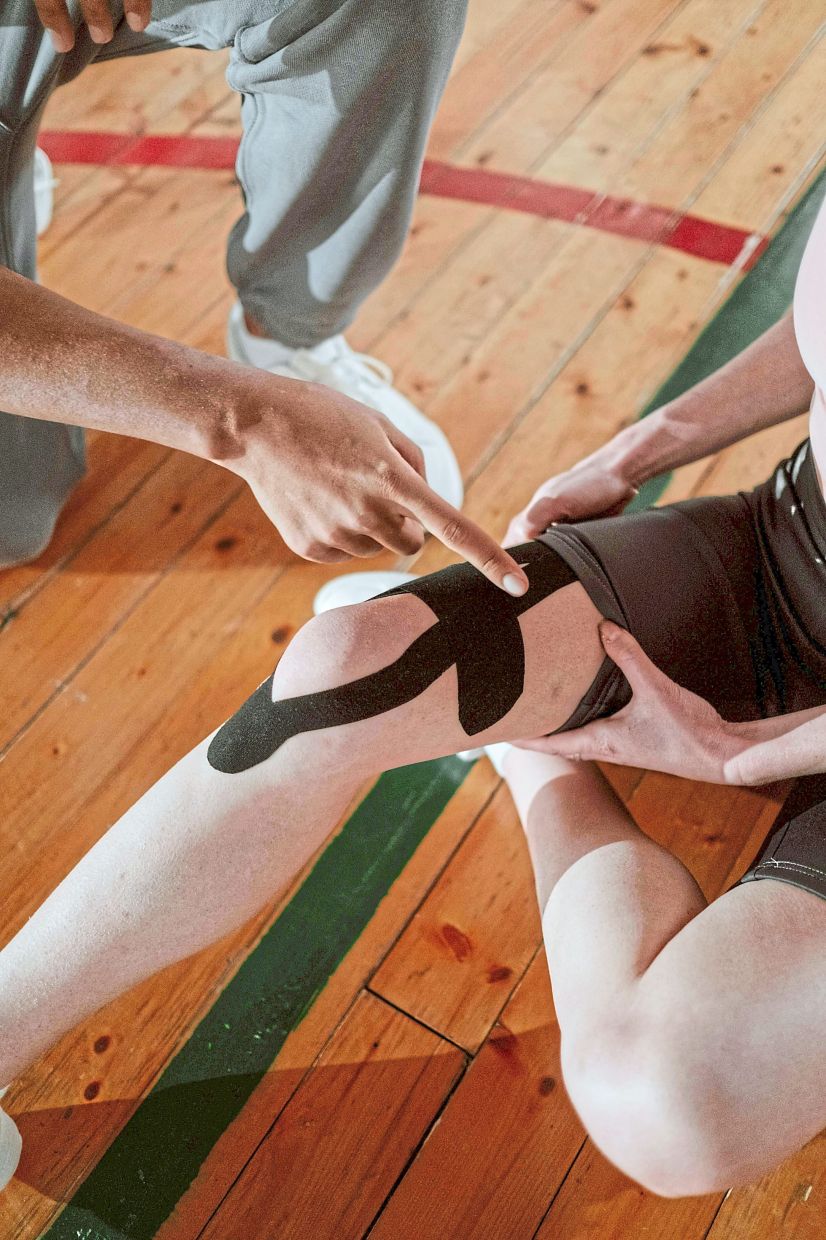
The ankle is a pretty mobile joint, but when the foot turns inward (eversion) and the joint rolls too far, it can tear the ligaments that are on the outside (lateral side) of the ankle.
Ankle sprains are caused by ankle instability, inadequate warm-up before dynamic movements, running/walking on uneven surfaces, and wearing improper footwear.
Runners are especially at risk if they run on uneven terrain, or step off and on curbs.
Rarely do we strengthen this body part until injury strikes.
Prevention tips:
The way to reduce your risk for a sprain is by performing ankle flexibility exercises (write out the letters A to Z with your foot in the air) and balance exercises (on a foam or wobble board).
Work on strengthening the muscles in your lower leg and foot by using a resistance band or ankle weights.
Wear proper footwear when you exercise (e.g. trail shoes for hiking, cross-trainers for the gym, etc).
When running on different terrains, keep a close eye on foot placement.
Ever experience a discomfort in front or around the kneecap (patella) with creaking, clicking or grating sounds when you bend and straighten your knees?
Then you probably have “runner’s knee” or patellofemoral pain syndrome.
This issue is often related to how the kneecap moves along the groove in the joint.
Patellofemoral means that it affects the area between the kneecap and the thigh bone (femur).
The pain is often mild at first, but gets worse over time.
It tends to be a dull, aching pain, and is particularly noticeable when you put strain on the knee, especially when going up or down the staircase.
This syndrome is common in runners, cyclists and those who play sports that involve running and jumping.
Muscle imbalances, using weights that are too heavy with compromised form, and improper knee alignment can exacerbate the issue.
For runners, knee pain may crop up after running downhill as this increases stress on the patellar tendon.
If you are knock-kneed or bow-legged, you could also be at risk.
Prevention tips:
Weak hips and abductors can cause the knee to track inward during squats and lunges, or while running and jumping, which places strain on the patellar tendon.
Keep your knees healthy by focusing on strengthening the gluteals and quadriceps (thigh muscles).
Gradually increase your workout intensity instead of going all out, especially if you’re a beginner.
Invest in proper, supportive footwear and replace them regularly.
When lifting weights or doing squats, ensure the knees are in proper alignment or tape them for added stability.
Revathi Murugappan is a certified fitness trainer who tries to battle gravity and continues to dance to express herself artistically and nourish her soul. For more information, email starhealth@thestar.com.my. The information contained in this column is for general educational purposes only. Neither The Star nor the author gives any warranty on accuracy, completeness, functionality, usefulness or other assurances as to such information. The Star and the author disclaim all responsibility for any losses, damage to property or personal injury suffered directly or indirectly from reliance on such information.
Already a subscriber? Log in
Get 20% OFF The Star Digital Access
Cancel anytime. Ad-free. Unlimited access with perks.