Malaysians are not ageing well


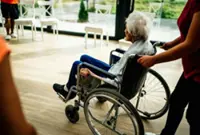
Although Malaysians generally value strong family ties, an increasing number of adults are experiencing social isolation as they grow older. — Filepic

Malaysia is ageing rapidly.

According to the 2025 National Health and Morbidity Survey (NHMS), there are now approximately 4.1 million Malaysians aged 60 years and above, with Malaysia expected to become an aged nation by 2036.

While many people celebrate the fact that Malaysians are living longer, the NHMS findings remind us that living longer does not necessarily mean living healthier.

As a geriatrician, I find several of the findings deeply concerning, not only because of the medical implications, but also because these issues affect families, caregivers, the healthcare system and society as a whole.

Lack of healthy ageing

One of the most striking findings is that only 14.7% of older Malaysians are considered to be “ageing well”.

This means that fewer than one in six older adults fulfil criteria such as maintaining good physical function, mental health, cognition, social support, independence and control of chronic diseases.

This is a very important statistic that deserves far more public attention.

Many people assume healthy ageing simply means not having major illness.

However, healthy ageing is much broader.

A person may survive into old age, but still suffer from frailty, loneliness, memory decline, depression, falls, dependence or poor quality of life.

The NHMS findings highlight that longevity alone is not enough.

What worries me even more is how rapidly healthy ageing declines with increasing age.

The frequency of ageing well drops significantly after the age of 70, and becomes especially low after 80 years old.

This suggests that many Malaysians enter older age already carrying risk factors that progressively worsen over time.

Not merely forgetfulness

Another alarming finding is dementia.

The survey found that one in 10 older Malaysians have dementia.

Among those aged 80 years and older, the frequency rises dramatically.

Dementia is not “normal ageing” or occasional forgetfulness.

It is a serious condition affecting memory, thinking, judgment, communication and the ability to function independently.

Families often struggle emotionally and financially when a loved one develops dementia.

The worrying reality is that many cases remain undiagnosed.

Some families think memory loss is just part of ageing.

Others avoid seeking medical help because of stigma, denial or lack of awareness.

What is particularly concerning from a healthcare perspective is that dementia care requires long-term support.

Malaysia currently has limited dementia-friendly services, limited community support systems and insufficient long-term care infrastructure.

If the occurrence of dementia rises further as our population ages, the burden on families and healthcare services will become enormous.

Suffering silently from depression

Another important, but underdiscussed, issue is depression.

The NHMS reported that 11.2% of older adults have depression, while severe depression affects a smaller, but still important, group.

Depression was also more common among rural older adults.

Mental health among older persons is often overlooked because symptoms may be mistaken for ageing, physical illness or personality changes.

Older adults may complain of tiredness, poor sleep, body aches or loss of appetite instead of expressing sadness directly.

Unfortunately, many older adults suffer silently.

Depression affects not only emotional well-being, but also physical health.

It increases the risk of frailty, falls, poor medication adherence, cognitive decline, hospitalisation, and even death.

One aspect I personally find worrying is the interaction between social isolation, depression and dementia.

These conditions often reinforce one another.

An older person living alone may become socially isolated, which contributes to depression and cognitive decline, eventually leading to functional deterioration.

Living alone

This brings us to another very important NHMS finding: the growing number of older adults living alone.

Malaysia traditionally values strong family structures.

However, urbanisation, migration, smaller family sizes and changing lifestyles mean that more older adults are now living by themselves.

Living alone itself is not always harmful.

In fact, some older adults remain highly independent and enjoy good quality of life.

The NHMS highlighted that strong social support plays a major role in maintaining well-being.

The key issue is not whether someone lives alone, but whether they remain socially connected.

Older persons who are isolated are at higher risk of depression, poor nutrition, medication problems, delayed medical care, falls, and even death.

Social disconnection can quietly worsen health outcomes over time.

Many Malaysians, including senior citizens, have uncontrolled chronic illnesses, which can eventually result in further health complications. — TNS

Difficulties in daily routines

The survey also highlighted functional decline among older adults.

Many older persons experience difficulty performing instrumental activities of daily living (IADL), such as shopping, cooking, handling finances, using transport and managing medications.

Others struggle with basic activities of daily living (ADL), such as dressing, bathing, toileting, mobility and feeding.

These findings are extremely important because loss of function is often more meaningful than disease itself.

An older person may have diabetes or hypertension (high blood pressure), but still function independently.

However, once mobility declines or daily functioning becomes impaired, the risk of dependence, falls, caregiver burden, hospitalisation and nursing home placement increases significantly.

More than weakness

One major issue that deserves greater public attention is frailty.

The NHMS found that around 60% of older adults are at risk of frailty, while approximately 11% are already frail.

Frailty is not simply weakness.

It is a medical syndrome where the body becomes less resilient to stressors such as infections, falls, surgery or hospitalisation.

Frail older adults deteriorate more rapidly and recover more slowly.

Many people have never heard of frailty, yet it is one of the strongest predictors of disability, hospitalisation and death.

Closely linked to frailty is sarcopenia, i.e. age-related loss of muscle mass and strength.

The survey found that over one-third of older Malaysians have sarcopenia.

This is particularly concerning because muscle loss affects mobility, balance, independence and survival.

Many older adults focus heavily on controlling blood sugar or cholesterol, but neglect muscle health entirely.

Muscle is essential for healthy ageing.

Without adequate protein intake and regular exercise, muscle loss accelerates rapidly.

Physical inactivity is another major concern.

The survey found that many older adults are not physically active and spend long periods sitting.

Sedentary behaviour is often underestimated.

Long hours of sitting are associated with frailty, cardiovascular (heart) disease, diabetes, obesity, depression and reduced mobility.

As a geriatrician, I frequently see older adults who become trapped in a vicious cycle: inactivity leads to muscle loss, which causes weakness and slower walking, resulting in even less activity.

Lack of control

The NHMS also revealed major concerns regarding chronic disease control.

Large proportions of older adults have diabetes, hypertension and high cholesterol.

More worrying is that many individuals with known disease still have uncontrolled blood pressure or cholesterol levels.

This suggests that diagnosis alone is not enough.

There may be issues related to medication adherence, health literacy, healthcare access, diet, financial barriers or fragmented care.

Uncontrolled chronic diseases increase the risk of stroke, heart disease, kidney failure, dementia, disability and premature death.

Hard on caregivers

Perhaps one of the most overlooked findings is caregiver burden.

The NHMS showed that one in three caregivers of dependent older adults experience burden.

Caregiving can be physically exhausting, emotionally draining, financially stressful and socially isolating.

Caregivers often sacrifice their own health while looking after loved ones.

This is an issue Malaysia must urgently prepare for.

As the ageing population grows, more families will be responsible for caring for older relatives with dementia, frailty, disability and multiple chronic illnesses.

Without adequate support systems, caregiver burnout will become increasingly common.

Wake-up call

The 2025 NHMS findings should therefore serve as a wake-up call.

Healthy ageing requires much more than treating disease.

We need stronger emphasis on prevention, exercise, nutrition, mental health, cognitive health, social engagement, rehabilitation, caregiver support and age-friendly communities.

The public should understand that many age-related problems are not inevitable.

Frailty, sarcopenia, falls, depression, and even some aspects of cognitive decline, can often be delayed or improved through early intervention.

Ageing well begins long before old age.

If Malaysia hopes to become an aged nation successfully, we must move beyond simply adding years to life – we must focus on adding life to years.

Dr Tay Hui Sian is a consultant geriatrician and internal medicine physician. This is the first in a three-part series on ageing healthily. For more information, email starhealth@thestar.com.my. The information provided is for educational and communication purposes only, and should not be considered as medical advice. The Star does not give any warranty on accuracy, completeness, functionality, usefulness or other assurances as to the content appearing in this article. The Star disclaims all responsibility for any losses, damage to property or personal injury suffered directly or indirectly from reliance on such information.

Follow us on our official WhatsApp channel for breaking news alerts and key updates!
Ageing , senior health

Next In Health

Can our bodies adapt to heatwaves?�
When water takes lives�
What is a head spa?
How elections can affect our emotions
Nutrition during the golden years�
When you're trapped by an earthquake
No, creatine won't make you go bald
Doctors, please treat the woman, not just her cancer
Rabies reemerges in Europe due to disruptions in wildlife vaccinations
Pack these essentials when you're working out outdoors

Others Also Read