Are children more exposed to abuse during the Covid-19 pandemic?


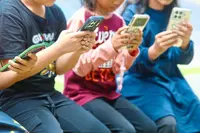
A psychologist (left) meets with a family at their home in Bilokurakyno, Eastern Ukraine. Photo: Unicef

Children are increasingly exposed to violence, exploitation and abuse during the Covid-19 pandemic, a global survey by Unicef reveals. This is because violence prevention and response services have been severely disrupted during the pandemic.

104 out of 136 countries surveyed in Unicef’s Socio-economic Impact Survey of Covid-19 Response have reported a disruption in services related to violence against children.

About two thirds of the countries - including South Africa, Nigeria, Pakistan and Malaysia - have reported at least one service being severely affected. Regions with the highest disruptions in the availability of services are South Asia, Eastern Europe and Central Asia.

“We’re just beginning to fully understand the damage done to children because of their increased exposure to violence during pandemic lockdowns,” says Unicef executive director Henrietta Fore.

“Ongoing school closures and movement restrictions have resulted in some children being stuck at home with increasingly stressed abusers, and children have nowhere to turn for help because of the pandemic’s impact on protection services and social workers,” Fore adds.

Many vital violence prevention and response services were interrupted or suspended as countries adopted prevention and control measures to contain Covid-19.

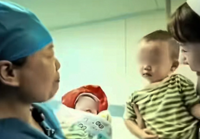
A social worker (right) meets with a client during one of her house visits, necessitated by the Covid-19 pandemic, in Battambang, Cambodia. Photo: Unicef

Disruptions in case management, referral services and home visits by child welfare and social workers to children and women at risk of abuse, occurred in over half of the countries. Violence prevention programmes, children’s access to child welfare authorities, and national helpline services have also been affected in many countries.

Even before the pandemic, children’s exposure to violence has already been widespread: About half of the world’s children experience corporal punishment at home; three out of four children aged two to four years are regularly subjected to violent discipline; and one out of three adolescent girls aged 15 to 19 are victimised by their intimate partner at some point in their lives.

Studies of past epidemics and crises reveal devastating impacts on the reporting of violence against children and delivery of related services. For example, during the Ebola outbreak in West Africa, child welfare structures and community mechanisms were weakened, and child protection responses were delayed or otherwise affected.

In addition, limited contact with informal support networks such as friends, teachers, childcare workers, extended family and community members during health pandemics such as Covid-19 result in children and families being more vulnerable.

A nurse-social worker with thermometer at a temporary shelter opened by Unicef and Samusocial, in Bamako, Mali, to support children living in the street during the Covid-19 pandemic. Photo: Unicef

Today also marks the start of Unicef's 'Champions for Children' campaign.

Unicef is supporting governments and partner organisations to maintain and adapt critical prevention and response services for children affected by violence during the pandemic.

For example, in Bangladesh, Unicef has provided personal hygiene items including masks, hand sanitisers and eye protectors for social service workers to safely support children living on the streets, in slums, and in climate-affected and hard-to-reach areas, as well as recruited and trained additional social workers for the national Child Helpline 1098.

“Child protection systems are already struggling to prevent and respond to violence against children, and now a global pandemic has made the problem worse as well as tied the hands of those meant to protect the ones at risk,” Fore says.

“Too many children rely on child protection systems to keep them safe. In times of crisis, governments must have immediate and long-term measures that protect children from violence, including designating and investing in social service workers as essential, strengthening child helplines and making positive parenting resources available,” Fore adds.

The survey was conducted on 138 low-and-middle income countries and 19 high-income countries. The total 157 countries are home to 90% of the world’s population of children.

For more information, visit: www.unicef.org

Get 20% OFF The Star Digital Access

Monthly Plan

RM 13.90/month

RM 11.12/month

Billed as RM 11.12 for the 1st month, RM 13.90 thereafter.

Best Value

Annual Plan

RM 12.33/month

RM 9.87/month

Billed as RM 118.40 for the 1st year, RM 148 thereafter.


Follow us on our official WhatsApp channel for breaking news alerts and key updates!

Next In Family

These dads are experiencing a shift in fatherhood as new norms take place
Study suggests women who do strength training will live a longer, healthier life
Are we failing neglected seniors in Malaysia?
It's time for parents to adopt these Japanese child upbringing approaches
Families in Sri Lanka are bearing the cost of the Middle East conflict
Why parents should step back and allow kids learn on their own
Helping single mothers get back on their feet
Helping single mothers build financial resilience and community
A platform for women entrepreneurs to lead and give back
Doctors observe a higher rate of paediatric visits, especially for anxiety

Others Also Read