
Zooplankton are a critical component of marine ecosystems.
They link phytoplankton production to higher levels of the marine food chain (which the scientists call trophic levels), including commercially important fish species. They also play a key role in regulating nutrient recycling and oceanic carbon sequestration.
Their physiology is strongly influenced by temperature, making them well suited to be considered “eco-influencers” of planet Earth.
Although many zooplankton are tiny and often microscopic, they are generally large enough to be caught in nets. They also occur in vast, unimaginable numbers. This “individually tiny yet collectively mighty” strategy underpins their crucial role at the base of the marine food web.
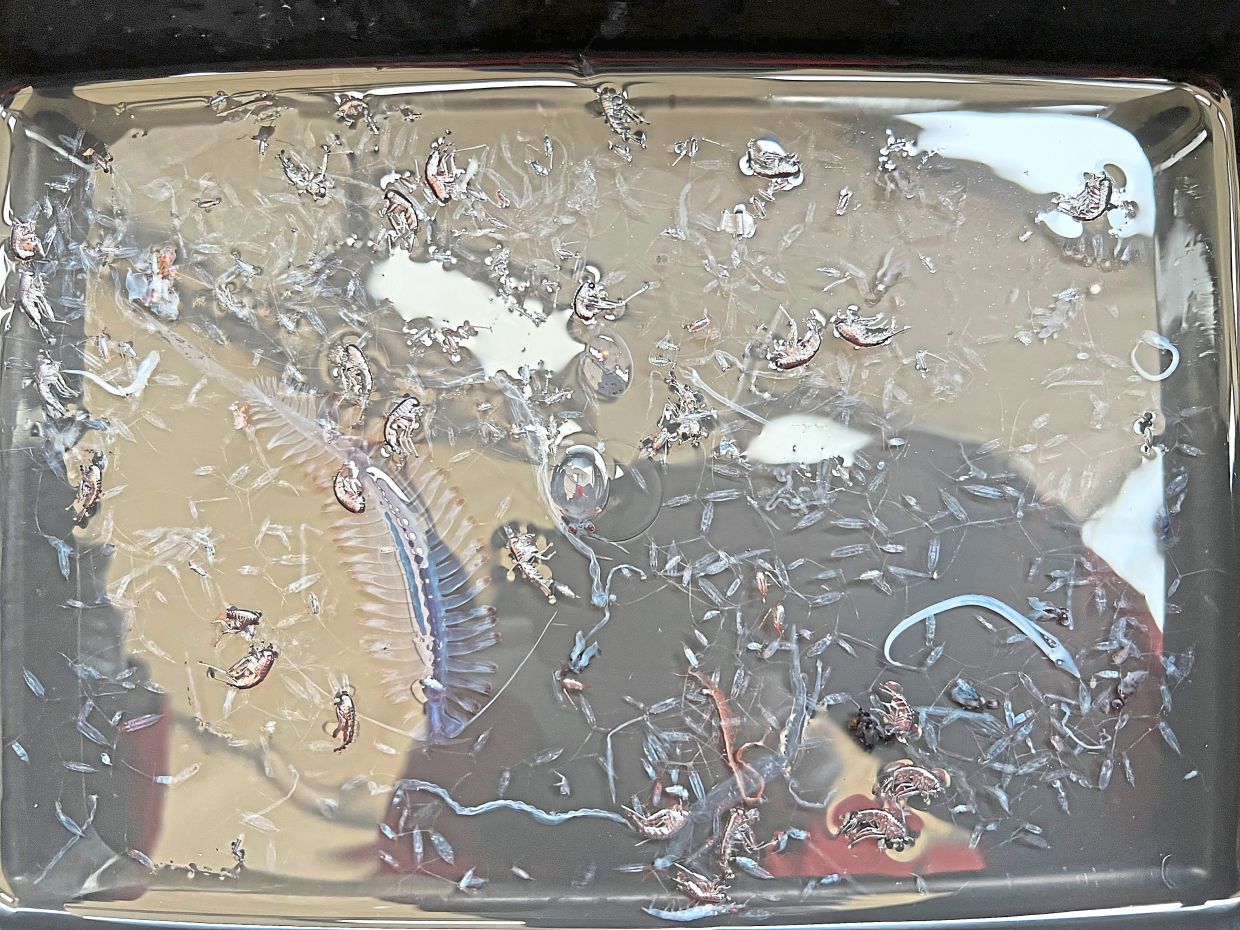
Zooplankton feed on phytoplankton, helping move carbon absorbed by phytoplankton and nutrients through the ocean. They release excess nutrients back into the water through waste, either near the surface or deeper down as some migrate daily between depths.
Phytoplankton that are not eaten clump together, and along with zooplankton faecal pellets, sink quickly to deeper waters. However, much of this sinking material is broken down by bacteria before it reaches the floor of the deep ocean.
Three key zooplankton processes – respiration, grazing and waste release – may change as the ocean warms. Research suggests that respiration will increase in warmer conditions, but changes in grazing and waste release are still uncertain.
As a result, it remains unclear how much carbon will ultimately be transported to deeper waters through zooplankton activities in a warming ocean.
In some regions, for instance, zooplankton can account for up to 87% of particulate organic carbon export (the sinking of organic particles from the surface ocean to the deep sea). Therefore, understanding how zooplankton will respond to changing climate is critical for assessing how other processes will be impacted.
A major review entitled Monitoring and Modelling Marine Zooplankton in a Changing Climate by 22 authors from Australia, across Europe, Canada, USA, Malaysia, China and Brazil was published in Nature Communications. The review demonstrated that trends observed in the northern regions are not observed in the southern regions, making global projections challenging.
Moreover, much of the existing research and monitoring on zooplankton is concentrated in the Northern Hemisphere, with substantial gaps along the coasts of Asia, Africa and South America, as well as in offshore regions.
Hotter seas, tinier drifters
In the review, the researchers noted that zooplankton are exhibiting poleward shifts in their geographical range, changes in phenological timing and reductions in size, which can disrupt ecological interactions and threaten ecosystem function.
Warm-water species are expanding into regions previously dominated by large, cold-water species. This shift is often accelerated during marine heatwaves and is consistent with long-term climate warming scenarios.
However, most of these trends are from the Northern Hemisphere, and the limited studies from the Southern Hemisphere do not consistently support the trends observed in the northern regions.
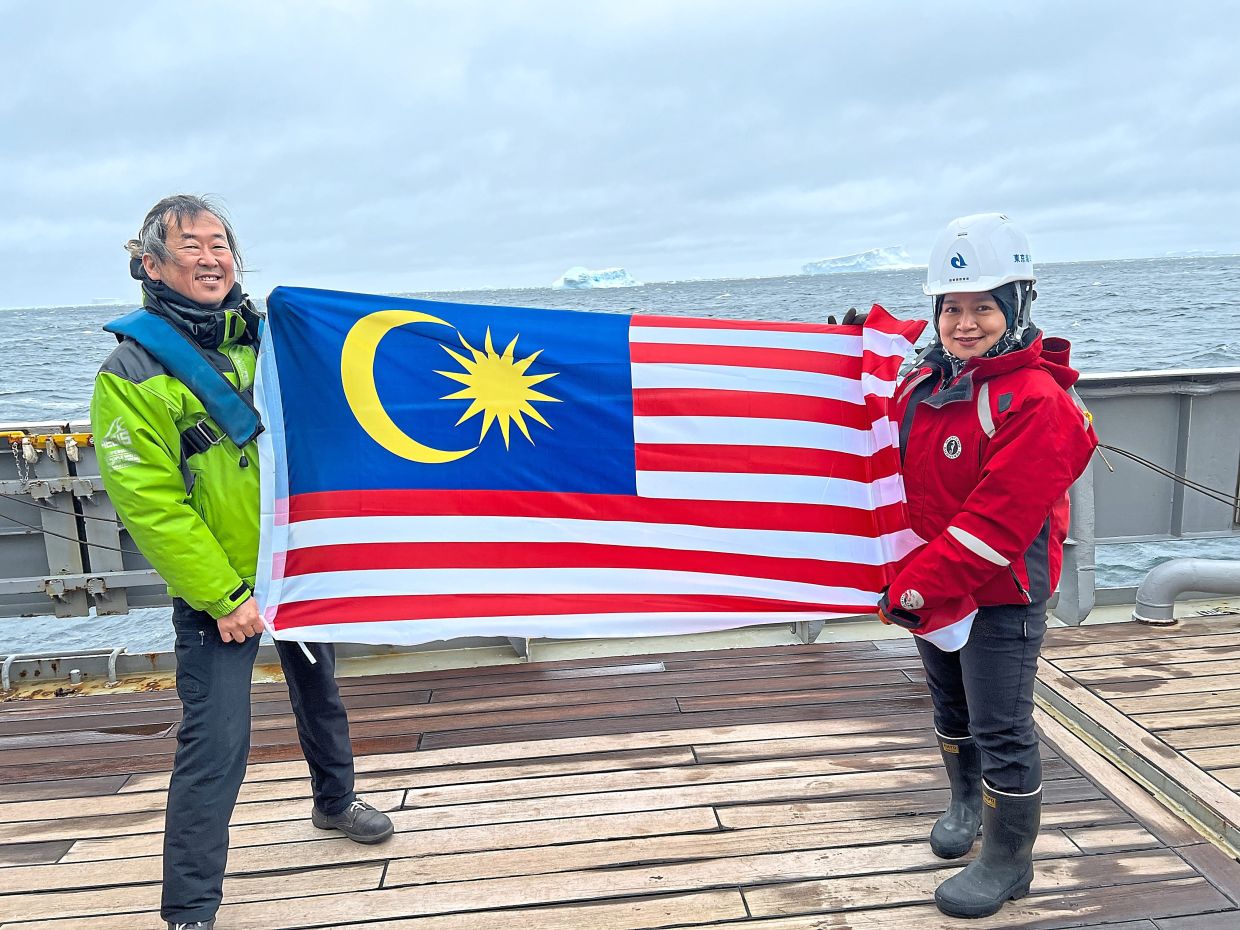
Interestingly, during the 24th Kaiyodai Antarctic Research Cruise – an expedition I participated under the Yayasan Penyelidikan Antartika Sultan Mizan (YPASM) grant – we observed that smaller species were more abundant in the warmer northern waters, whereas larger species were more prevalent in the colder southern waters of the Southern Ocean.
These findings highlight the importance of addressing geographic gaps in zooplankton research to improve our understanding of climate-driven changes in marine ecosystems.
The YPASM grant supports trilateral international collaboration among Malaysia’s Universiti Malaysia Terengganu (UMT), Australia’s Institute for Marine and Antarctic Studies at the University of Tasmania, and Japan’s Tokyo University of Marine Science and Technology and National Institute of Polar Research.
Smaller zooplankton spell big problems
At present, we know relatively little about how climate change will affect the planet’s most numerous and wide-ranging “eco-influencers” on the planet. With insufficient knowledge about the impacts of predicted climate change on marine zooplankton, the future of the entire ocean ecosystems and commercially important fisheries remains uncertain.
There are three key ways in which marine zooplankton respond to ocean warming. First, they shift their timing (phenology) by reproducing earlier as temperatures rise, disrupting food availability for other species.
Second, they move to cooler areas, either towards the poles or into deeper waters, altering ecosystem balance and making it unsustainable.
Third, smaller species tend to dominate in warmer environments. This is particularly significant because size influences their role in the food web and their contribution to the biological carbon pump.
Together, these changes may seem subtle at first, but in the end they can have profound impacts on marine ecosystems and the organisms, including fishes, that depend on them.
A look ahead
Why should changes in zooplankton populations in the Southern Ocean matter to tropical regions, especially Malaysia?
Apart from helping scientists understand climate change, zooplankton that drift in the water column are often described as having no nationality. They belong entirely to the ocean and move across human-defined boundaries.
These crucial organisms, often referred to as “wanderers” or “drifters” thrive throughout the world’s oceans, underpinning essential marine ecosystem functions regardless of national borders.
Even subtle shifts, such as reductions in zooplankton size, can trigger trophic mismatches that disrupt food availability for higher trophic levels, ultimately affecting fish recruitment.
By the time decline in commercial fisheries become apparent, the damage may be already done, with marine food webs significantly altered.
Understanding how zooplankton respond to a warming climate is therefore critical for completing the bigger ecological picture.
It provides insights into the functioning of marine ecosystems, particularly during increasingly unpredictable environmental events.
Malaysia’s involvement in Antarctic research, under the umbrella of the Ministry of Natural Resources and Environmental Sustainability, supported by YPASM and a marine-focused UMT, reflects a clear commitment to addressing global environmental challenges.
The knowledge gained not only advances scientific understanding but also equips policymakers with evidence-based insights to guide marine resource management, strengthening food security, supporting the sustainability of local fisheries and contributing to the growth of the tourism sector.