



Jamie Ling, Group Chief Executive Officer, AmBank Group
AmBank Group welcomes Budget 2027 as a practical plan to sustain growth in a difficult global environment. It continues earlier reforms, gives targeted help to households and businesses, and supports investment in higher-value sectors.
This is a budget of disciplined continuity. It supports growth without losing sight of fiscal responsibility. It also gives households and businesses greater confidence to plan, spend and invest.
The Budget projects economic growth of 4.2% to 5.2% in 2027. It also aims to reduce the fiscal deficit to 3.3% of gross domestic product, from 3.6% in 2026.
Support for households remains important. Higher cash aid, tax relief and wage-related measures should help protect purchasing power and support private consumption.
For small and medium-sized enterprises, financing guarantees through SJPP and CGC have been increased by RM2 billion to RM32 billion, improving access to liquidity and supports business expansion.
Measures for automation, digitalisation and artificial intelligence can also help companies lower costs and raise productivity. Higher wages and higher productivity must move together. Businesses need finance, technology and skills so that better pay is sustainable.
The investment measures cover strategic sectors, venture and mid-tier funds, digital infrastructure, energy transition and the Johor-Singapore Special Economic Zone. These initiatives can deepen Malaysia’s role in regional supply chains and attract higher-value investment. The quality of investment matters as much as the amount. The real gain comes when projects create skilled jobs, stronger local suppliers and new capability in Malaysia.
AmBank is ready to play its part. We will work with customers, industry partners and public institutions to turn the Budget’s priorities into investment, stronger businesses and wider financial inclusion.
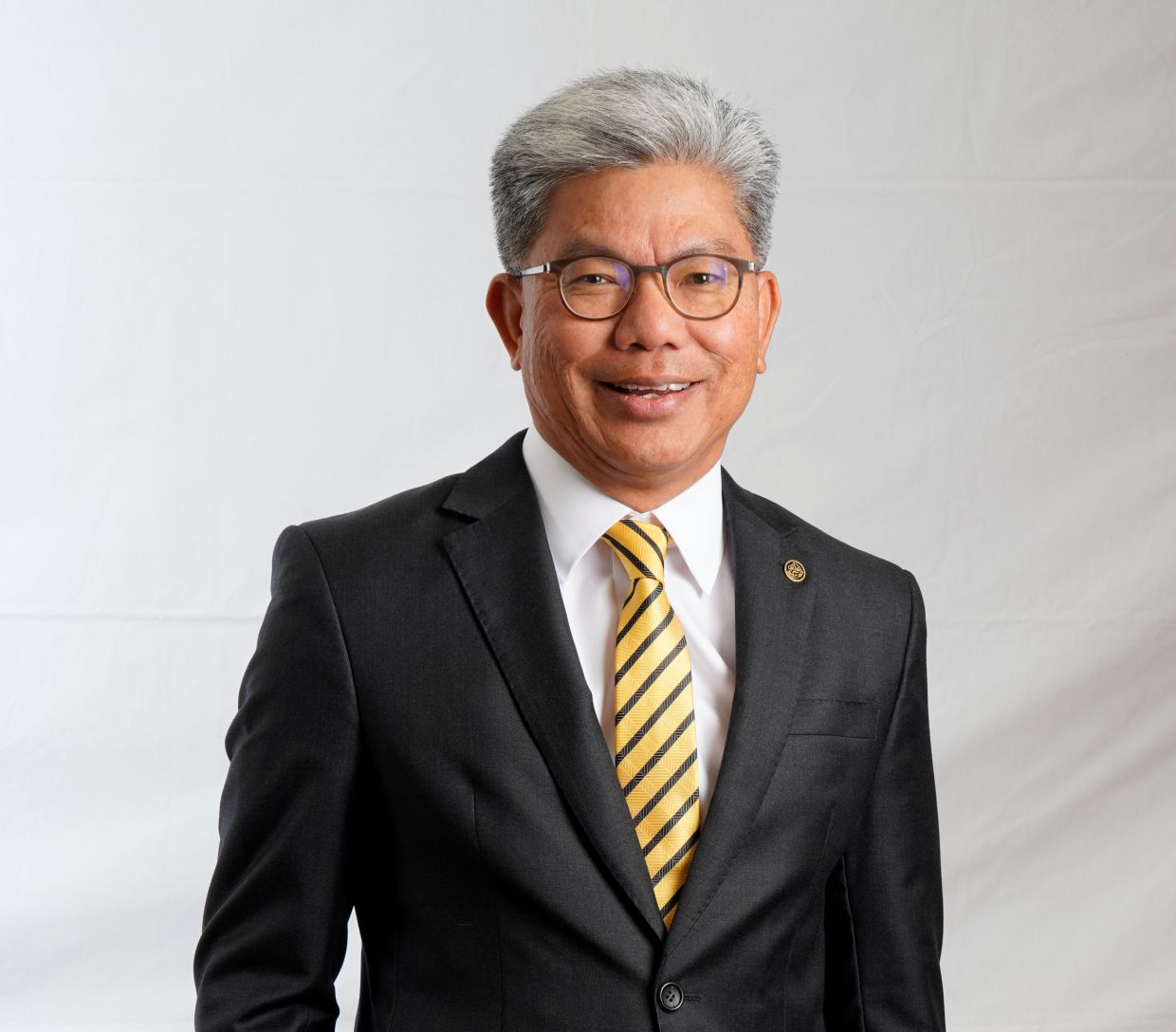
Datuk Sri Khairussaleh Ramli, President and Group CEO of Maybank and Chairman of The Association of Banks in Malaysia
Budget 2027 reflects Malaysia’s commitment towards inclusive growth balanced with continued fiscal discipline amid geopolitical uncertainty, evolving trade dynamics and cost pressures.
It aptly captures the nation’s ambition to pursue higher economic aspirations while ensuring that progress remains grounded in the needs of the rakyat. We laud the Government’s continued commitment to fiscal consolidation, with the fiscal deficit projected to narrow to 3.3% in 2027, from 3.6% in 2026, moving closer to the target of 3% by 2028.
This disciplined approach, coupled with measures to strengthen economic resilience, support households and businesses, and accelerate high-value industries and energy transition, will reinforce Malaysia’s long-term competitiveness. The emphasis on equitable state development, targeted tax rationalisation for fairer wealth distribution, affordable homeownership, and empowering SMEs, entrepreneurs and underserved communities will help broaden economic participation.
Investments in productivity, technical and vocational education and training (TVET), youth development, skills and innovation will further equip Malaysians to benefit from emerging opportunities. The banking industry plays a pivotal role in advancing these priorities by strengthening investor confidence, mobilising capital and facilitating economic activities. Greater access to financing, including microfinancing for SMEs and entrepreneurs, will help businesses grow and contribute more meaningfully to the economy.
The industry must also continue embracing digital innovation, enhancing financial literacy and safeguarding consumers against financial fraud through initiatives such as the National Anti-Scam Campaign. These collective efforts will contribute towards Malaysia’s economic transformation and its ambition to become a leading regional investment hub. We welcome the Government’s efforts to strengthen Malaysia’s position as a global Islamic finance hub.
Building on Malaysia’s position as one of the world’s largest sukuk markets, Maybank, as a leader in Islamic finance and the world’s number one sukuk house, remains committed to expanding Shariah-compliant financing and investments to support sustainable economic growth. This includes facilitating approximately RM22 billion in financing and investment interests within the Johor-Singapore Special Economic Zone (JS-SEZ), helping attract quality investments and deepen cross-border economic connectivity.
We are also broadening financial access through solutions such as our basic NADI credit card, while integrating artificial intelligence (AI) across our operations and building AI capabilities among customers and communities. Maybank remains well-positioned to channel capital towards productive economic activities. Government initiatives such as the tokenised retail savings sukuk also offer opportunities to broaden investment participation and accelerate financial innovation. Our sustainability-first approach commitments in Green and Blue economies extend to Malaysia’s energy transition, where we continue mobilising capital for renewable energy, low-carbon solutions and sustainable infrastructure.
We welcome the Government’s call for GLCs and GLICs to raise the living wage reflecting our continued focus on employee well-being and inclusive growth. As Malaysia progresses towards its economic aspirations, Maybank stands ready to work alongside the Government, businesses and communities to unlock new opportunities, deepen financial inclusion and build a more competitive, sustainable and prosperous nation.
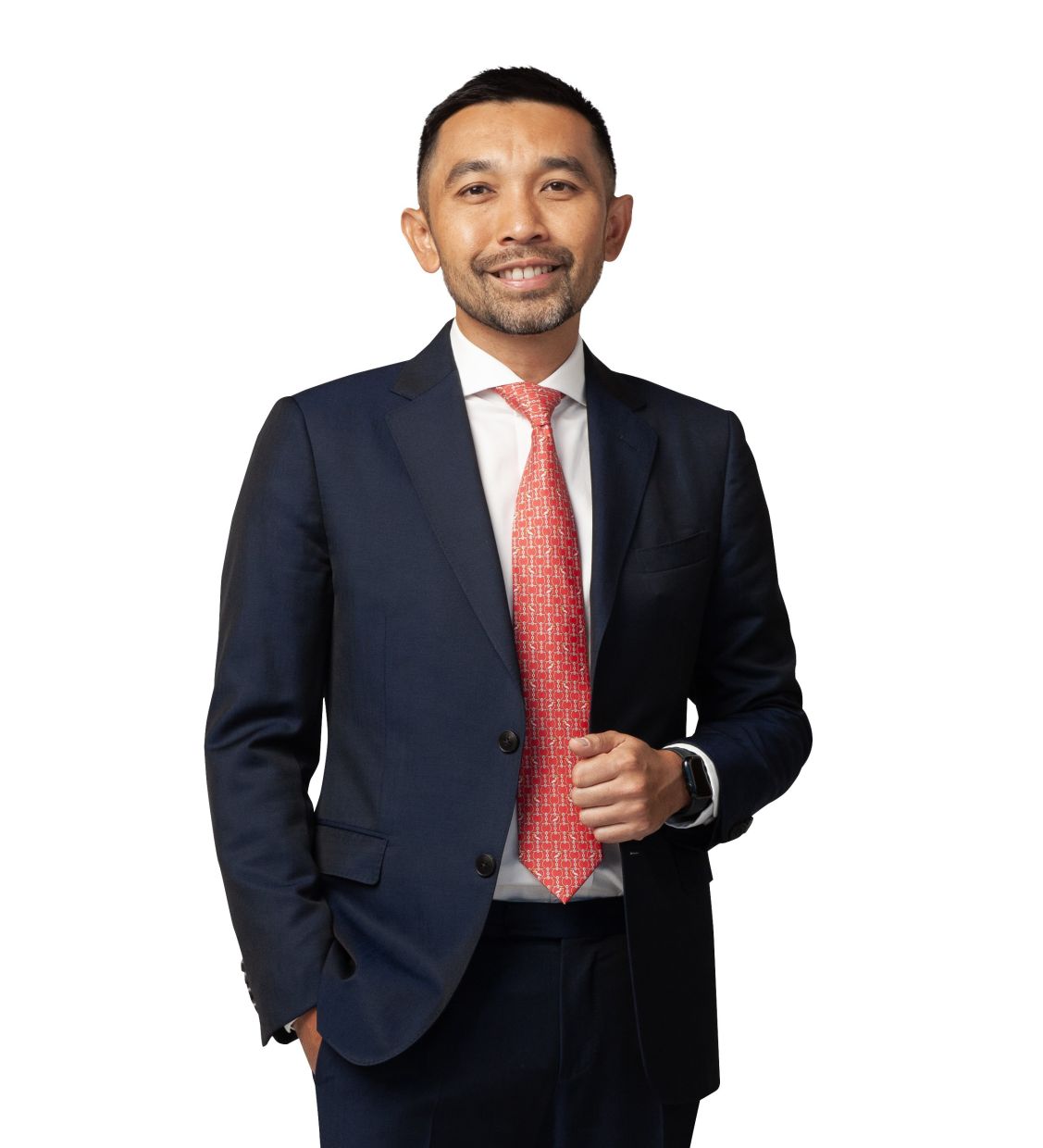

Malaysia’s MADANI journey reflects a deliberate shift towards balancing short-term support with long-term sustainability, anchored on the principle that fiscal responsibility and common prosperity must go hand in hand.
The reform agenda seeks both to raise the ceiling and raise the floor: raising the ceiling by strengthening Malaysia’s competitiveness, attracting quality investments, fostering innovation and accelerating economic upgrading; and raising the floor by ensuring that growth translates into better opportunities, stronger social protection and improved living
standards for all Malaysians.
Fiscal consolidation has been achieved through targeted subsidy rationalisation, a broader and
more progressive revenue base, better governance and reduced leakages, while cushioning vulnerable households through strengthened social assistance.
At the same time, reforms increasingly focus on retirement adequacy, social protection, skills development, productivity enhancement and economic upgrading, reflecting a broader ambition to build an economy that delivers not just growth, but a living wage, greater economic mobility and a dignified standard of living for every rakyat.
For the banking sector, these reforms create a more stable macroeconomic environment, strengthen investor confidence and support Malaysia’s attractiveness as an investment destination. They also create opportunities to mobilise capital towards priority areas such as industrial upgrading, infrastructure, energy transition, innovation and financial inclusion.
In this way, banks become not only beneficiaries of reform, but active partners in advancing sustainable growth, economic resilience and common prosperity. For example, CIMB recently launched CIMB Lite-i Credit Card, a no-frills, credit card designed for Malaysians seeking a practical credit facility with lower financing costs and flexible repayment solutions.

Belanjawan 2027 reinforces Malaysia’s ambition to build a more productive and resilient economy while ensuring that progress delivers meaningful benefits to businesses and households.
Hong Leong Bank welcomes the Government’s emphasis on strengthening local enterprises, accelerating AI adoption, advancing the energy transition and supporting Halal enterprise development, alongside measures to ease living costs and maintain fiscal discipline.
The Government’s projected real GDP growth of 4.2% to 5.2% for 2027 is broadly aligned with the 13th Malaysia Plan’s target of 4.5% to 5.5% and encompasses HLB’s forecast of 5.0%. We expect growth to be supported by resilient domestic demand, continued policy support and investment in high-value digital services and AI. Tourism activity associated with Visit Malaysia Year 2026–2027, SEA Games 2027 and LIMA 2027, is expected to provide further momentum.
Maintaining fiscal discipline alongside these growth ambitions will be essential to sustaining confidence and preserving Malaysia’s capacity to respond to future challenges. The projected narrowing of the fiscal deficit in 2027 to 3.3% of GDP, or RM77.5 billion, together with the 6% increase in the revised revenue estimate for 2026, provides a firmer fiscal foundation amid persistent global uncertainty. Over time, the quality of investment and effectiveness of implementation will be as important as the pace of growth.
Belanjawan 2027 places the rakyat at the centre of its priorities through targeted assistance, measures to support wage growth and personal tax relief. Expanded support through STR, SARA and BUDI MADANI fuel subsidies offers important cost-of-living relief, while the increase in the minimum wage to RM2,000 strengthens the earnings base for lower-income workers. Together with middle-income tax reductions, higher tax relief limits and stamp duty exemptions, these measures can create greater room for households to manage expenses, build savings and pursue homeownership.
We are heartened to see the Education Ministry receive the largest overall allocation of nearly RM69 billion, underscoring the government’s steadfast commitment to investing in our nation's future.
The Budget’s financing guarantees, tax measures and support for AI and automation can help SMEs improve productivity and reach new markets. Realising these benefits will require financing alongside practical guidance and skills development. HLB will continue to support businesses in making investments that address their needs and strengthen long-term competitiveness.
Support for Halal certification can open new opportunities for local enterprises, complemented by stronger capabilities and market access. HLB Islamic’s BizHalal approach supports this wider growth journey, while social finance initiatives such as iTEKAD combine funding with capability building to help underserved entrepreneurs build sustainable livelihoods.

Datuk Mohd Rashid Mohamad, Group Managing Director and Group Chief Executive Officer, RHB Banking Group
RHB welcomes Budget 2027 as a balanced, progressive and inclusive framework that supports near term growth while strengthening Malaysia’s long term fiscal resilience. The RM459.84 billion allocation, together with the Government’s commitment to narrow the fiscal deficit of 3.3% of GDP in 2027, reflects the importance of meeting immediate economic needs without compromising fiscal sustainability. Against this backdrop and the current geopolitical landscape, RHB remains cautiously optimistic about Malaysia’s economic outlook and, projects GDP growth of 4.9% for 2027 within the official forecast range of 4.2% to 5.2%.
Economic growth will ultimately translate into better jobs, higher incomes and greater opportunities for Malaysians. Budget 2027’s emphasis on higher value industries and workforce development is therefore timely. The increase in the minimum wage reinforces the need to also lift productivity so that wage gains are sustainable and translate into better living standards. This will require businesses to accelerate investment in skills, technology and more productive operating business models.
We also welcome the continued focus on empowering micro, small and medium enterprises (MSMEs), which remain central to Malaysia’s economic resilience and job creation. Access to financing is essential but capital alone will not be enough. MSMEs must also be able to digitalise, innovate, raise productivity and expand into higher-value markets. RHB will support this transition through responsible financing and practical advisory solutions that help businesses scale sustainably, compete more effectively and capture new growth opportunities.
Ultimately, the success of Budget 2027 should be judged not only by the growth it generates, but by whether that growth strengthens businesses, raises household incomes and broadens access to opportunity. The financial sector has an important role in converting policy intent into real economic outcomes by directing capital towards productive activity and helping viable businesses and households build resilience. RHB is committed to working alongside the Government, businesses and communities to translate these priorities into lasting and inclusive progress for Malaysia.

Datuk Ng Wei Wei, Chief Executive Officer, UOB Malaysia
Budget 2027 reflects a pragmatic balance between supporting growth, competitiveness and sustainability with fiscal responsibility.
We are encouraged by the government's continued commitment to strengthening Malaysia's investment ecosystem through strategic investments in infrastructure, digitalisation, high-value industries and energy transition, which will enhance the country's long-term competitiveness and attractiveness to investors.
The Budget also provides timely support for the business community through targeted tax measures, investment facilitation, improved access to financing, SME development and the expansion of strategic cross-border economic corridors.
The measures aimed at easing cost-of-living pressures, strengthening human capital development and enhancing social protection are positive steps towards supporting households and reinforcing the economy's long-term resilience.
As One Bank For ASEAN, we look forward to supporting these initiatives by connecting businesses to regional opportunities, facilitating cross-border investments and helping attract quality foreign direct investments into Malaysia, ultimately translating these priorities into stronger economic growth, innovation and job creation.
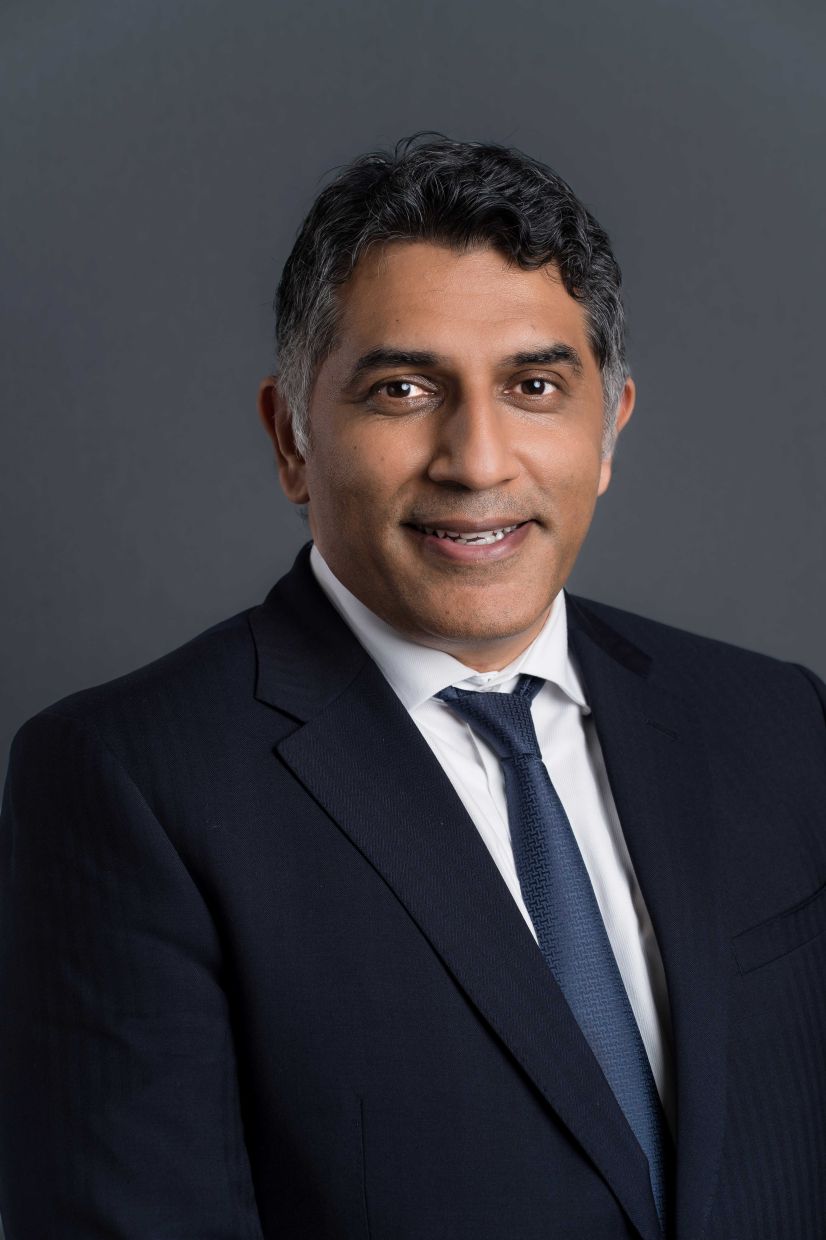
Budget 2027 strikes a constructive balance between sustaining growth today and building Malaysia’s longer-term economic competitiveness, and reinforcing Malaysia’s position as an attractive destination for high-value corporate investment.
At RM510 billion, it is the largest budget to date, but importantly, it remains anchored on fiscal discipline. The commitment to narrow the fiscal deficit to 3.3% of GDP, with federal revenue projected to rise to RM380.8 billion, sends a strong signal of stability to investors, rating agencies, and the financial markets. The continued thrust on NIMP 2030, NETR, the National Semiconductor Strategy, digital and AI, and supply chain diversification gives businesses confidence. This creates opportunities for banks to support SMEs, mid-tier corporates and the green economy through working capital, transition financing, and digitalisation.
The measures to strengthen the investment ecosystem – from the JS-SEZ and energy transition to carbon pricing and the mobilisation of long-term domestic capital – will enhance Malaysia's competitiveness as a regional hub for trade, sustainable finance and high-value investment. We look forward to playing our part in connecting capital, capability and markets to deliver on this ambition.
Overall, we welcome the Budget’s continued focus on fiscal resilience, alongside measures to strengthen household incomes, develop talent, support SMEs and local enterprises, and accelerate investment in higher-value industries. We remain committed to supporting the MADANI Economy agenda and Malaysia’s long-term economic transformation.

MADANI Budget 2027 reflects the government’s commitment to its medium-term economic objectives, while promoting inclusive growth and ensuring that the benefits of development are shared broadly across businesses, communities and households.
We are encouraged by the Budget’s focus on attracting quality investments and accelerating the growth of higher-value industries. Prioritising sectors such as semiconductors, advanced manufacturing, the digital economy and new energy will strengthen Malaysia’s economic position and support the country’s next phase of growth.
From the semiconductor and advanced manufacturing ecosystems in Penang and Kulim to Tanjong Malim’s emergence as a regional automotive hub, these developments can also help local companies integrate into more sophisticated supply chains and move up the value chain. The RM25 billion in domestic investment being mobilised by GLICs under GEAR-uP further supports this direction.
Additionally, enhancements to the Global Services Hub incentive will further reinforce Malaysia’s attractiveness as an investment destination. In today’s disruptive global economy, Malaysia is well placed to capture a greater share of foreign direct investment, and we commend the Government for moving decisively to capitalise on this opportunity.
We welcome the Budget’s strong focus on enhancing the competitiveness of Malaysian SMEs. Lower tax rates, incentives for technology and productivity investments, and expanded financing through SJPP and CGC will help businesses scale, innovate and grow with confidence.
Beyond the domestic market, measures such as the RM60 million allocation to MATRADE, RM1 billion in BPMB financing for export-oriented SMEs, and the MyABE initiative will strengthen the pathway for Malaysian companies to expand into new markets across ASEAN and beyond.
We are also pleased to see DBKL’s plans for 22 kilometres of covered pedestrian walkways connecting key landmarks across Kuala Lumpur. Better connectivity will make the city more accessible, vibrant and attractive for both businesses and visitors. For OCBC, this is particularly significant as our roots in the historic Masjid Jamek area date back to 1926, and we remain committed to celebrating and preserving the rich heritage of the precinct.

Raja Datin Paduka Teh Maimunah Raja Abdul Aziz Group Chief Executive Officer Bank Islam Malaysia Berhad
Budget 027 reinforces Malaysia's aspiration to build a more productive, competitive and future-ready economy. Its continued focus on strategic industries, MSMEs, digitalisation, the halal economy and energy transition provides an important foundation for long-term economic progress, resilience and enduring value creation.
Malaysia's next phase of development will depend not only on access to funding, but on how effectively resources, innovation and talent are mobilised to improve productivity, strengthen competitiveness and create higher-value economic activity. As the economy becomes more complex and interconnected, execution will be critical to translating policy intent into meaningful outcomes.
The financial sector has an important role to play by channelling funds towards activities that support national development and economic advancement. At Bank Islam, we see our role as helping businesses innovate, scale and strengthen their long-term sustainability, while ensuring economic opportunities remain accessible and inclusive.
Guided by Maqasid Al-Shariah, we are committed to supporting initiatives that create lasting value for businesses, communities and the nation.
Bank Islam supports the Government's priorities by enabling business expansion, advancing financial inclusion and facilitating investment into emerging sectors.
We will continue supporting MSMEs, halal businesses and entrepreneurs through financing, trade and supply chain solutions, as well as advisory support that helps businesses scale and enhance their competitiveness.
At the same time, we remain committed to facilitating investment into renewable energy, green infrastructure and transition-related sectors through Shariah-compliant financing, sustainable finance solutions and Sukuk offerings.
For individuals and households, our focus remains on strengthening financial wellbeing through responsible financing, savings and wealth management solutions. Accessible offerings such as ArRahnu continue to play an important role in broadening access to financial services and enabling more Malaysians to participate in economic opportunities.
