
Steered by a clear vision to drive real estate as a value multiplier for people, the planet, businesses and economies, Sime Darby Property continues to embed sustainability across its developments.
This commitment is exemplified by its initiative to transform the Hamilton Biodiversity Park into a thriving conservation asset by 2031 – an effort focused on nurturing resilient ecosystems and showcasing the harmony between nature and development.
This meaningful initiative has also garnered national recognition. Most recently, Hamilton Biodiversity Park was awarded Gold in the Biodiversity Conservation category at The Star’s ESG Positive Impact Awards 2025 under the environment pillar, marking a significant milestone for Sime Darby Property and affirming the positive impact of its efforts to protect, restore and enhance urban biodiversity.
Situated within the Hamilton Industrial Park in Nilai, Negri Sembilan, the 114.9ha (284 acres) Hamilton Biodiversity Park comprises ecosystem
restoration area and commercial area occupying a strategic
location between the Galla Permanent Forest Reserve and a rapidly expanding industrial township.
Reviving nature
From a degraded plantation into a living green corridor, the air at Hamilton Biodiversity Park carries a different rhythm than it once did.
Where oil palms once stood in rigid rows, young native trees now break the soil, their leaves catching the light. Bird calls are returning, and the ground hums with insects. For years, the land had lost much of its ecological function, unable to support diverse species.
Today, it is being restored into a functioning ecological area designed to protect threatened wildlife and strengthen long-term ecosystem health.
Plans include a 13km natural trail and a 10km biodiversity corridor linking the forest reserve with urban green spaces.
Stitching together broken landscape
Hamilton Biodiversity Park is envisioned as the first step in establishing mountain-to-sea connectivity between Galla Forest Reserve and Kuala Lukut.
Such ecological links are crucial for nutrient cycling, species movement and resilience in the face of climate change.
The park forms part of Malaysia Vision Valley, a regional development initiative aimed at building a sustainable, globally competitive metropolis.
Its location underscores the tension between rapid urban growth and the need for ecological balance.
Proximity to Kampung Tekir, an orang asli village, highlights the importance of restoration that respects both biodiversity and cultural heritage.
A landscape with potential
At the time of assessment, Hamilton Biodiversity Park reflected a human-modified ecosystem.
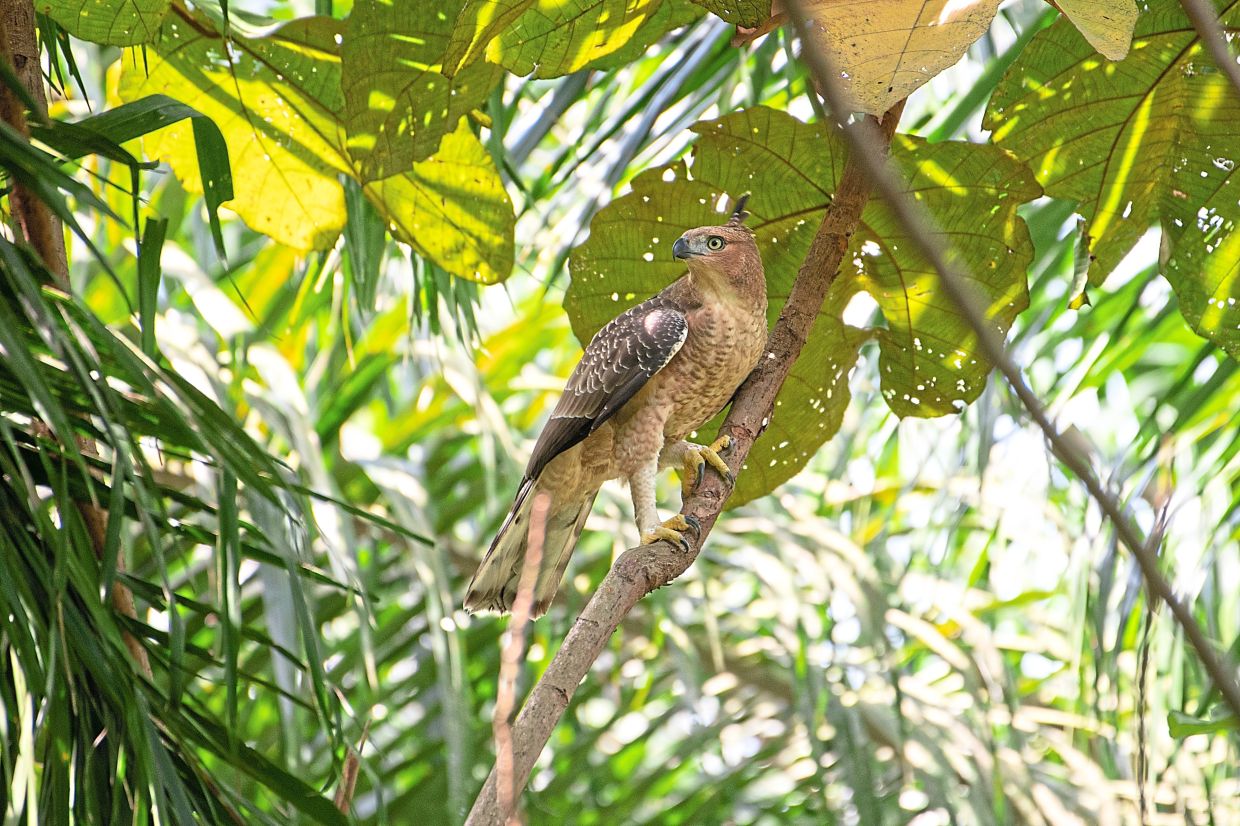
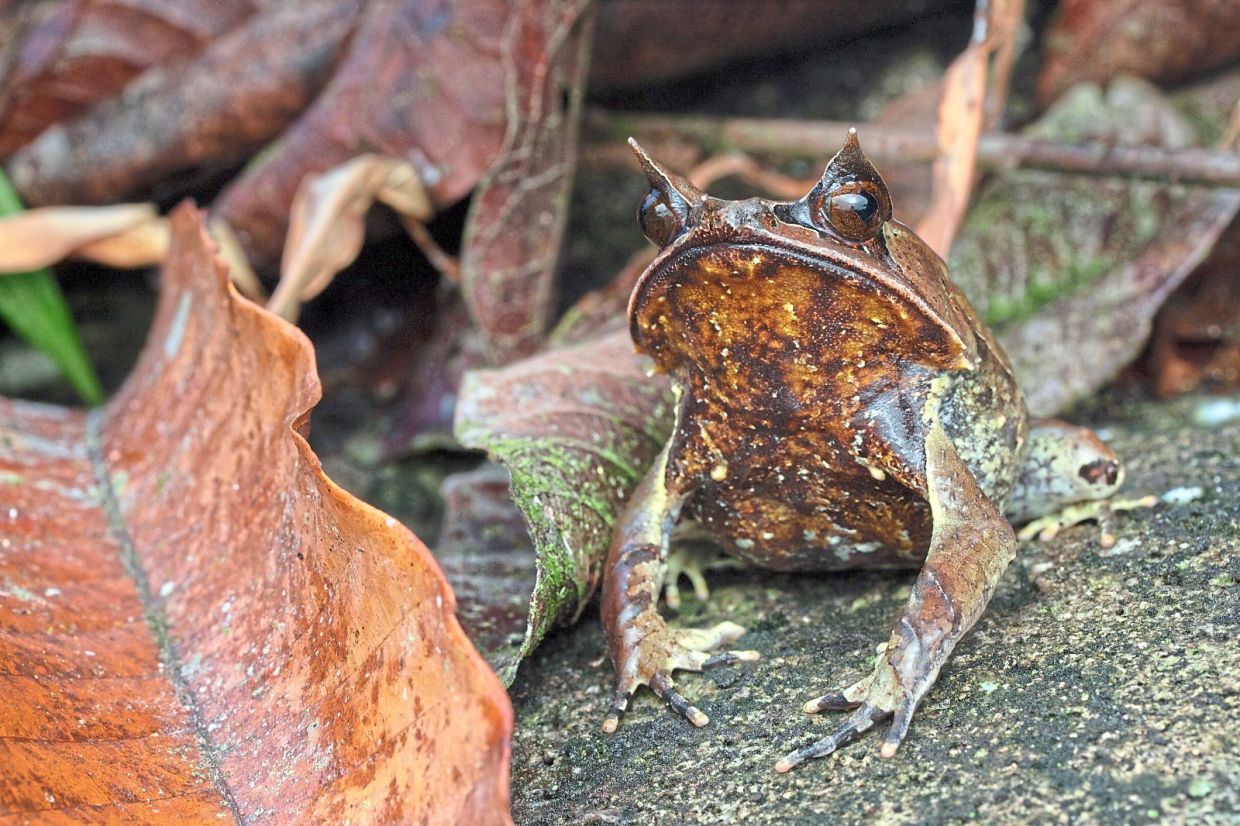
Yet surveys revealed encouraging indicators of biodiversity: 337 species documented, including 93 plants, 49 fungi, 22 mammals, 64 birds, 81 insects, 19 herpetofauna, seven fish and two shellfish.
Among them are species threatened with extinction, along with three newly recorded fungi currently being studied by Universiti Malaysia Sabah (UMS).
The findings affirm that even degraded landscapes can support ecologically important biodiversity when given space to recover.
Steps toward renewal
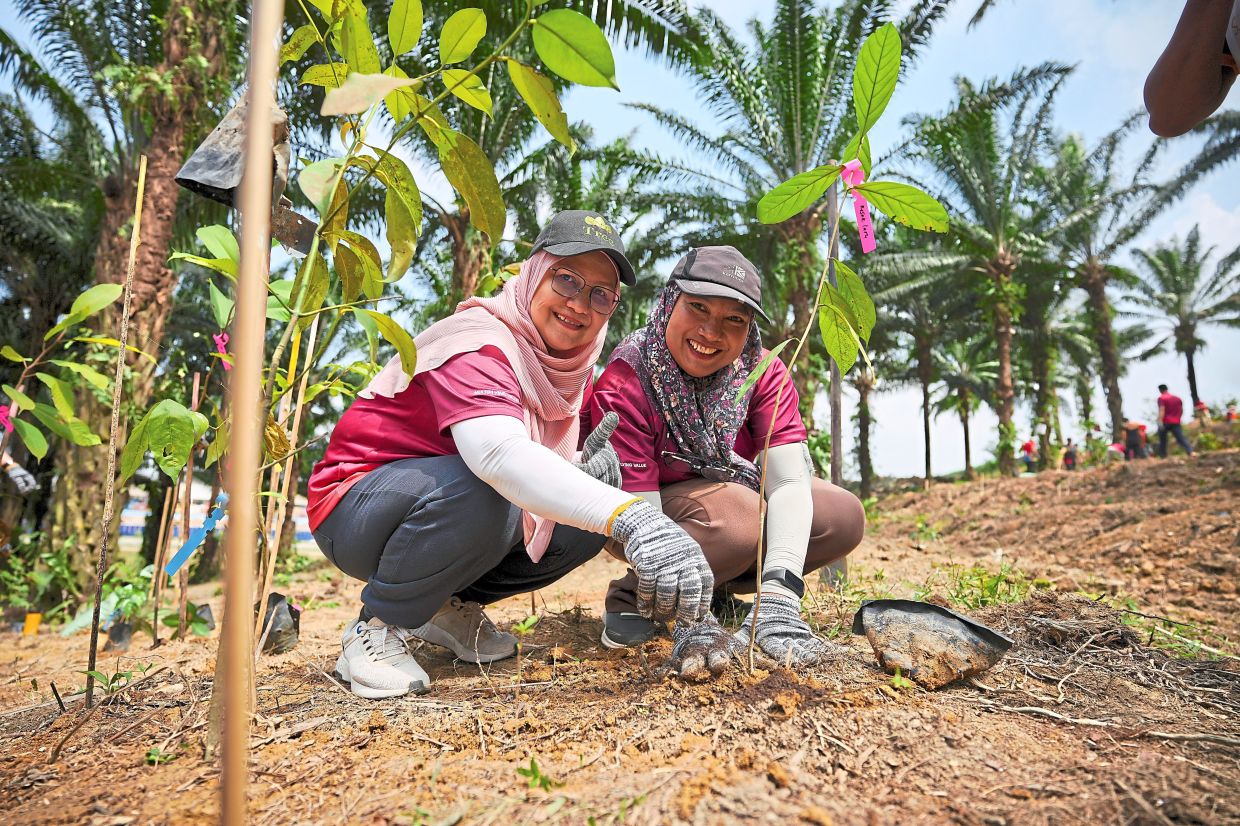
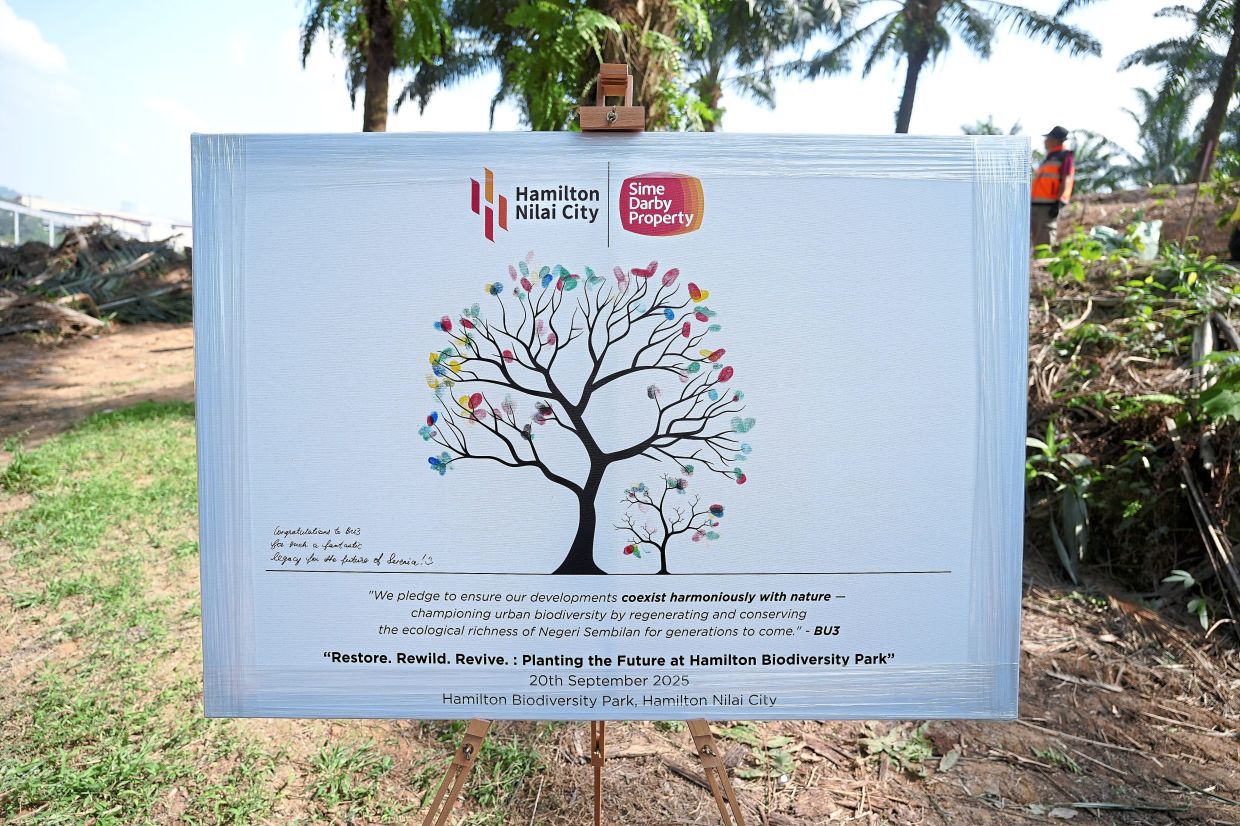
Since September 2025, more than 1,500 trees and shrubs from 52 native species have been planted.
The effort began with a baseline plot of 500 trees, involving more than 90 participants – local authorities, consultants, contractors, Sime Darby Property representatives and members of the orang asli community.
These efforts are guided by a biodiversity management plan developed with researchers from Universiti Malaysia Kelantan, Universiti Malaysia Terengganu, Universiti Kebangsaan Malaysia, Universiti Tun Hussein Onn Malaysia and UMS.
Community engagement has been pivotal, carried out through the Free, Prior and Informed Consent process to ensure inclusivity and transparency.
Behind the scenes, leadership has played a crucial role.
Hazlan Husin, who heads Sime Darby Property’s Business Unit 3, has been directly involved in co-managing and planning the project, focusing on one regeneration zone at a time.
Overarching strategic direction has been set by Appollo Leong, chief operating officer for township development, whose guidance has ensured that ecological restoration remains integral to the company’s development approach.
Their stewardship reflects how individual leadership can shape long-term environmental outcomes.
Verified but unfinished
Hamilton Biodiversity Park’s restoration has been verified under the Preferred by Nature Ecosystem Restoration Standard, with certification valid until 2031.
The recognition reflects the depth of assessment and governance behind the project, including a comprehensive biodiversity and ecosystem services study.
It is the first Asia-Pacific property developer to have its ecosystem restoration initiative verified by the international non-profit organisation, further supporting its efforts.
For conservationists, the certification is not a declaration of completion but a marker of progress.
It represents independently assessed biodiversity outcomes, aligned with ESG principles and future regulatory frameworks, while reducing reputational risk.
More than ecological value
Beyond its ecological role, the park carries socio-cultural significance. It functions as a biodiversity corridor, a carbon buffer and an ecological extension of the forest reserve.
It offers natural cooling to mitigate urban heat, strengthens ecosystem resilience and provides a space for communities to reconnect with nature.
Its proximity to Kampung Tekir stresses the importance of balancing environmental well-being with heritage preservation.
The park is expected to open to the public by 2031, featuring a visitor centre and offering opportunities for education, recreation and cultural exchange.
A measured milestone
For Sime Darby Property, Hamilton Biodiversity Park is not simply a green space attached to development.
It is a test of whether urban growth can coexist with ecological renewal. The project demonstrates how restoration can be approached with humility, patience and scientific rigour.
The certification is a milestone, not a finish line. Restoration is slow, complex and never without challenges. Yet Hamilton shows that even in landscapes written off as lost, life can return when given space and care.
A story still unfolding
Hamilton Biodiversity Park is still in its early stages. It remains a work in progress, shaped zone by zone under the stewardship of dedicated teams.
In that sense, Hamilton is more than a park. It is a promise – that regeneration is possible, even in unlikely places.