




The long wait for criminal cases to be heard in Hong Kong’s courts could persist because of a surge in fraud and money laundering litigation, the judiciary has warned, as the Law Society suggested extending sitting hours into the evening.
In a paper submitted to the Legislative Council’s panel on administration of justice and legal services, the judiciary said that the total caseload in 2025 reached about 537,000, around 4 per cent higher than the annual average over the previous five years.
As of July this year, criminal cases had waited an average of 358 days to be heard in the High Court, while those in the District Court waited 354 days on average – the longest among all courts.
Although the judiciary does not set a target waiting time for criminal cases at the High Court, the average waiting time at the District Court was more than 3.5 times its 100-day target.
“To ensure a fair trial, each criminal case has to undergo a series of essential steps and procedures before it can be listed for trial,” judiciary administrator Esther Leung Yuet-yin told the legislature during a meeting on Monday.
The High Court also had to prioritise handling criminal cases related to the 2019 protests and national security, which added to the longer waiting time, she said.
“With most of these cases being disposed of and most of the remaining cases scheduled for hearing, the impact of these cases on the average waiting times for other proceedings in the Court of First Instance is expected to subside gradually.”
The District Court’s criminal caseload rose 68 per cent in five years, from 1,119 in 2020 to 1,876 in 2025, largely because of a surge in money-laundering and fraud cases, according to Leung.
“With the large amount of money-laundering and fraud cases, the average waiting time for criminal cases could not drop quickly,” she said, adding that the waiting time for other types of cases was largely in line with the judiciary’s targets.
At the same session, Justin Yuen Hoi-ying, chairman of the Law Society’s standing committee on standards and development, said that although the waiting time in civil cases met the judiciary’s targets, some lawyers had to wait for more than a year before a case could be scheduled, even for a commercial dispute requiring only a few days of hearing.
“During this period, clients have to bear the legal costs and the commercial burdens incurred by frozen funds, while facing the risks of the witnesses’ memory erosion and key personnel leaving the company. For companies eager to settle disputes, it is justice delayed,” he said.
He urged the judiciary to release breakdowns of trial durations to offer a more accurate picture of waiting times, and to consider extending its operating hours into the evening or Sundays.
As a pilot measure, Yuen proposed to trial “dawn courts” at Magistrates’ Courts and tribunals to handle simple and procedural matters, to free up daytime slots and facilitate attendance by litigants who needed to work during the day.
He also suggested that some interlocutory procedures, such as directions hearings and case management conferences, could be held after 5pm at the District Court and the High Court, with some of their steps conducted via remote hearings.
“We suggest these procedures during extended slots be overseen by deputy judges to make the best use of the senior practitioners’ talent pool, while avoiding worsening judges’ burdens,” he said.
But Leung cautioned against the idea, saying that resources available during evening hours would be limited.
“The key does not lie in operating in the evening, but whether we have sufficient manpower to make the best use of daytime,” she said.
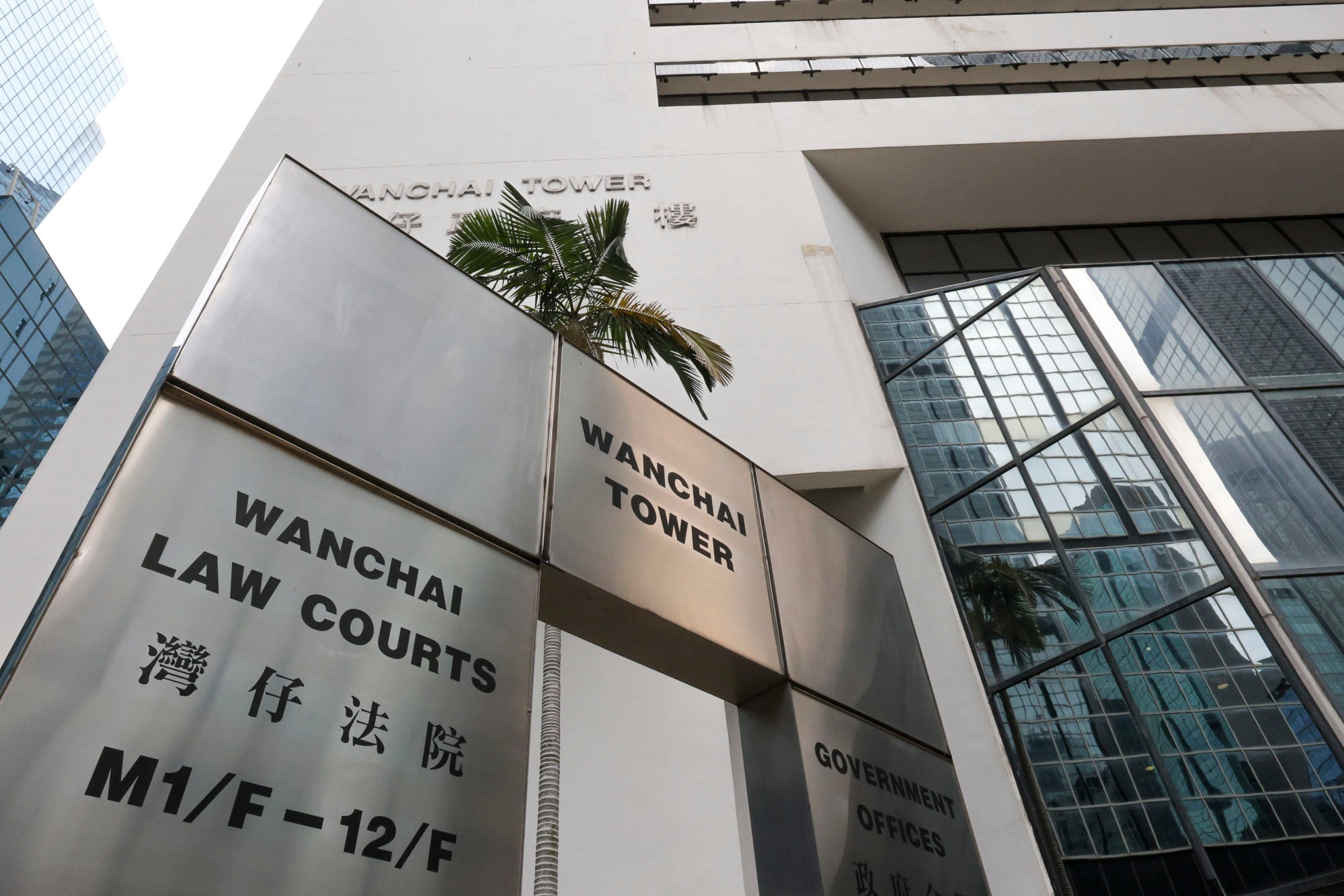
According to the Legco secretariat, the High Court is short of 20 judges, while the District Court has 17 fewer judges than it needs.
Leung said a new round of judicial appointments would be made in late 2026 or early next year, while the judiciary would step up engagement of temporary manpower.
The judiciary would also adopt a multipronged approach to enhance efficiency, including mandating the use of a digital court case management system, promoting the use of alternative dispute resolution and improving court facilities, she added.
The judiciary was preparing for the redevelopment of the High Court building and the adjacent Queensway government offices into new court premises.
A new building on Caroline Hill Road in Causeway Bay is expected to be commissioned in 2028 to house the District Court, Family Court and Lands Tribunal. -- SOUTH CHINA MORNING POST



