THIMPHU: More than 10,000 people have been moved to shelters or safer locations in West Bengal’s Alipurduar district following a glacial lake outburst in neighbouring Bhutan, as authorities placed the Sankosh river system on red alert over fears of a sudden flood surge.
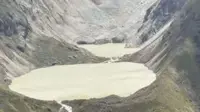
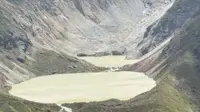
The emergency followed the reported rupture of Shintaphu Lake in Bhutan’s Gasa district on Thursday (Oct 29) evening. Floodwaters swept through parts of the Himalayan kingdom, damaged infrastructure and prompted warnings in North Bengal and Assam.
Alipurduar Superintendent of Police Amit Kumar Shaw said between 4,000 and 5,000 people had been accommodated in temporary shelters, including school buildings, while more than 6,000 others had been relocated to safer areas.
The evacuations were precautionary, with authorities monitoring the river’s water level and the movement of floodwaters from Bhutan. Officials said the intensity of the flow had eased slightly, but the warning remained in force.
Why has the Bhutan flood put North Bengal on alert?
The concern centres on the Sankosh river system, which links Bhutan’s mountainous river basin with downstream areas in India. A sudden release of water from a glacial lake can travel rapidly through valleys, carrying debris and creating flood risks far from the original breach.
Communities along the Sankosh and its tributaries have been advised to move away from vulnerable riverbanks.
The warnings cover parts of Alipurduar, Jalpaiguri, Cooch Behar and the Darjeeling region in West Bengal, while Assam’s Dhubri district has also been identified as potentially vulnerable.
Darjeeling MP Raju Bista of the Bharatiya Janata Party (BJP) issued an appeal for residents in the affected river catchments to relocate to safer ground.
“Everyone in our Darjeeling hills, Terai and Dooars region are requested to stay alert,” Bista said in a post on X.
West Bengal minister Nisith Pramanik said disaster management personnel had been activated following reports that the floodwaters were moving downstream.West Bengal travel guide
The National Disaster Response Force (NDRF) was alerted, while personnel of the State Disaster Response Force (SDRF), Civil Defence and local administration were mobilised in vulnerable areas.
Police say situation under control, but red alert continues
Shaw appealed for calm, saying district authorities were coordinating with their counterparts in Bhutan and monitoring developments closely.
“First of all, I would like to tell the residents of the district that there is absolutely no need to panic. The situation is currently under control,” he told ANI.
He said the administration had arranged drinking water, dry food and sanitation facilities for displaced residents.
The police also warned that the floodwaters could carry large quantities of debris, including timber and concrete, posing additional risks to communities and infrastructure along the river.
Although officials reported a slight reduction in the intensity of water flow, they maintained that emergency teams would remain prepared for any deterioration.
What happened at Bhutan’s Shintaphu Lake?
The glacial lake outburst was reported on October 29 at Shintaphu Lake, located below Wakila Mountain in Bhutan’s Gasa district.
The sudden flood damaged facilities at Gasa Tshachu, a natural hot spring destination near the Mo Chhu River. No deaths or injuries were reported there, with people evacuated before the floodwaters arrived.
The surge also partially damaged a solar-powered irrigation system installed earlier this year in the Dochhukha-Dzomlingthang-Ritsa area of Punakha.
The system reportedly stopped functioning, although the full extent of the damage was yet to be assessed.
Flood-borne debris affected the Punakha-Gasa Highway near Dzomlingthang, while reports from Bhutan indicated damage to road connectivity in the mountainous region.
Shintaphu is among 17 glacial lakes identified as potentially dangerous in Bhutan. Gasa Tshachu was previously damaged by a major flash flood in August 2021, when the Mo Chhu River changed course towards the hot spring.
Why can a glacial lake outburst threaten areas far downstream?
A glacial lake outburst flood, or GLOF, occurs when water held behind a natural barrier suddenly escapes, often following a breach caused by an avalanche, landslide, intense rainfall or other destabilising event.
Unlike gradual flooding, such surges can move quickly through steep mountain valleys before reaching settlements, roads and agricultural areas downstream.
The threat extends beyond rising water levels. Powerful currents can carry rocks, fallen trees and damaged infrastructure, increasing the potential for destruction along riverbanks.
Scientists have warned that glacier retreat and the formation or expansion of glacial lakes in the Himalayas are creating serious challenges for communities living downstream. However, the precise trigger of Thursday’s outburst has not yet been established.
What happens next?
Authorities in North Bengal are continuing to monitor the Sankosh River system while coordinating with Bhutanese officials on the movement and intensity of floodwaters.West Bengal travel guide
Disaster response personnel remain on alert, and residents in vulnerable areas have been advised to follow official evacuation instructions rather than return prematurely.
The immediate priority is to establish whether the flood surge will cause a dangerous rise in downstream river levels. The scale of infrastructure damage in Bhutan is also still being assessed. - The Statesman/ANN