




FOR more than five decades, Sime Darby Property Bhd has grown alongside Selangor, contributing to the transformation of its urban landscape. Its role, however, extends beyond individual developments.
The developer has built an impressive track record focused on creating places with the connectivity, amenities and infrastructure to support changing needs. Anchored by its core purpose to drive real estate as a value multiplier for people, businesses, economies and the planet, Sime Darby Property ensures these developments are built around strong community foundations that can remain relevant as people’s lives and the wider economy evolve.
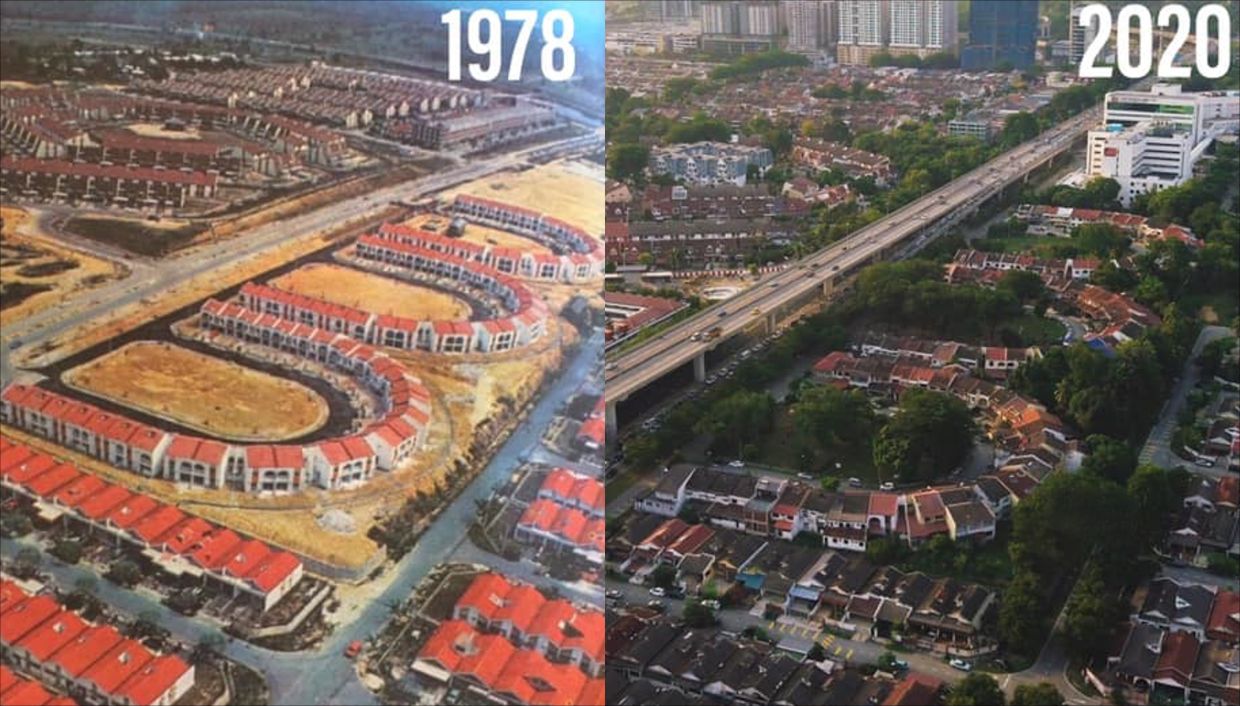
Subang Jaya is a clear example of how a planned township can evolve with the people who call it home. Developed more than 50 years ago, it has grown into an established and vibrant city shaped by generations of residents, businesses, institutions and communities.
Its journey illustrates what can happen when development is viewed as an ongoing process rather than a single project. For Sime Darby Property, Subang Jaya is both part of its Selangor heritage and a reference point for what enduring value means.
Generational planning
From the outset, Subang Jaya was developed as more than a collection of homes. Its planning brought together neighbourhoods, education, commercial centres, recreation, connectivity and community amenities around how people would live, work, learn and connect.
That breadth gave the township foundations capable of supporting successive generations.
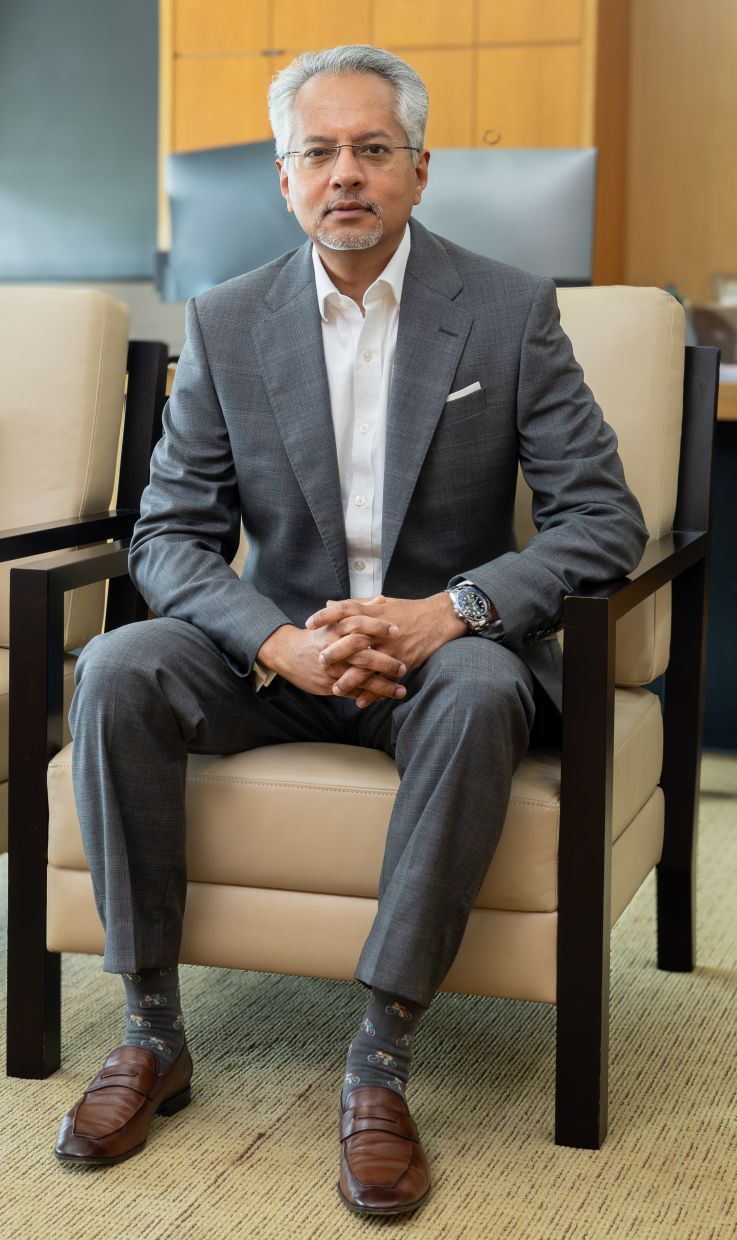
“The strength of Subang Jaya is that it was developed with a long-term vision,” says Sime Darby Property group managing director and chief executive officer Datuk Seri Azmir Merican.
“The goal was to create a complete township designed around how people live, work, learn and connect, establishing a fully integrated ecosystem from day one.”
As Subang Jaya matured, those foundations allowed it to evolve.
Neighbourhoods became established communities, commercial areas developed their own identities and connections to the wider urban area grew increasingly important.
The lesson, Azmir says, is that the original master plan matters, but so does the ability to adapt.
“Successful townships cannot remain static. As needs change, master planning must also flex to new lifestyles, mobility patterns and economic opportunities.”
That philosophy is reflected in Sime Darby Property’s view of its role in Selangor today.
“When we look at Selangor’s next 20 to 30 years of growth, we see an opportunity for Sime Darby Property to play an even more meaningful role in shaping places that are economically vibrant, liveable, connected and resilient.”
Sustaining relevance
One of the clearest lessons from Subang Jaya is the value created by connectivity. When homes, workplaces, schools and commercial centres are well connected, the resulting convenience actively strengthens quality of life and supports economic activity.
That principle continues to inform the new chapter of growth and transformation for Subang Jaya, with upcoming developments at Subang Jaya City Centre and Putra Heights Sentral. Each is a transit-oriented development anchored by a major public transport interchange.
Rather than treating established infrastructure as a legacy to preserve unchanged, these projects build upon it, bringing homes, workplaces and amenities closer to public transport while introducing new centres of activity within the mature city.
For Sime Darby Property, this is part of making better use of existing urban infrastructure while giving established areas new relevance.
“Connectivity creates value that compounds over time,” Azmir explains.
“Easy movement between homes, workplaces, education, commerce and the wider city will strengthen quality of life and economic activity.”
The approach also reflects a broader principle: development should strengthen the urban ecosystem around it rather than operate in isolation.
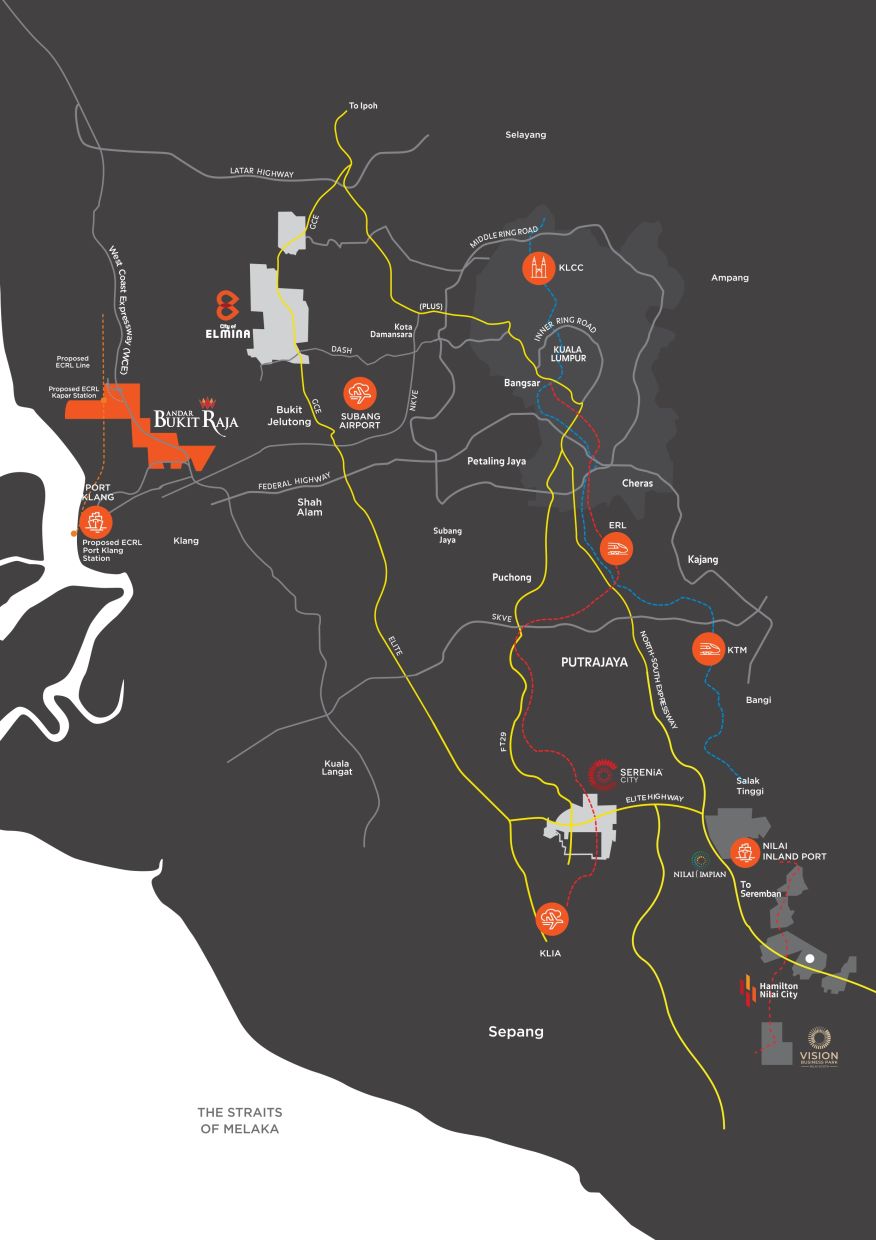
That same principle has guided Sime Darby Property's broader contribution to Selangor's growth corridors. The Guthrie Corridor Expressway (GCE), which serves as a key connectivity spine for City of Elmina, Elmina Business Park, Bukit Jelutong and surrounding communities, demonstrates how strategic infrastructure can unlock economic opportunities, connect talent and businesses and support long-term township growth.
Similar to the role GCE played in the success of Selangor Vision City (SVC) 1.0 which became the main connectivity spine linking these developments to Shah Alam, Petaling Jaya, Kuala Lumpur and the wider Klang Valley, future growth corridors will continue to be shaped by the integration of infrastructure, investment and master planning.

Integrated nature
The definition of enduring value has also expanded beyond economic and social considerations. Sime Darby Property increasingly views nature as part of the infrastructure of a township, with ecological systems considered alongside parks, waterways, drainage, public spaces and development areas.
Its Avoid-Regenerate-Conserve framework reflects this approach: avoiding disturbance to valuable ecosystems, regenerating degraded areas and conserving critical ecological assets.
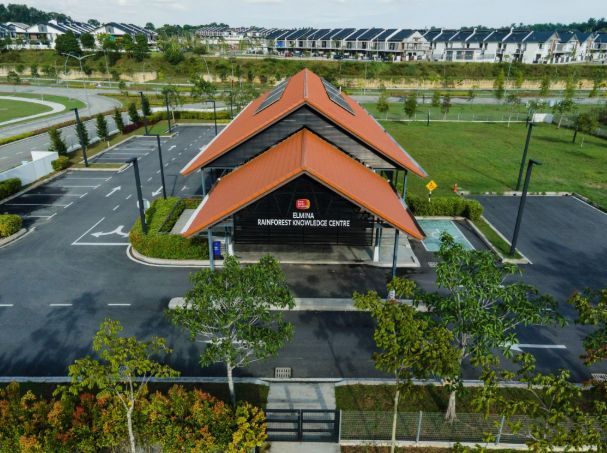
At City of Elmina, the 121.4ha (300-acre) Central Park sits alongside the Bukit Cherakah Forest Reserve, while the Elmina Rainforest Knowledge Centre brings together conservation, research, restoration and environmental education.
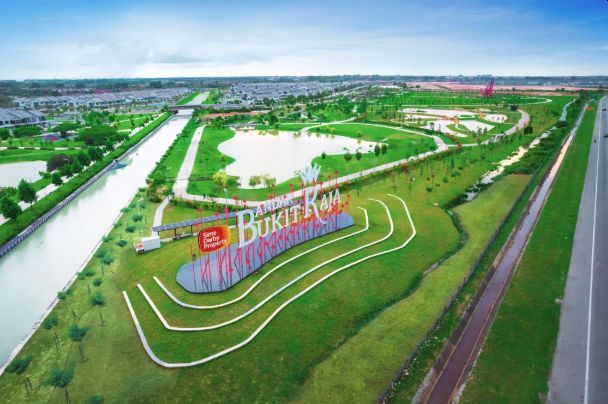
At Bandar Bukit Raja, the 93.1ha (230-acre) Wetland Park combines stormwater management with ecological and recreational functions. The evolution is significant because these landscapes are not simply decorative additions. “Nature is not an afterthought,” says Azmir. “It needs to be integrated from the outset to create sustainable and resilient communities with long-term value.”
That thinking also reflects Sime Darby Property’s wider ambition to drive real estate as a value multiplier for people, businesses, economies and the planet.
Subang Jaya remains the clearest evidence of why taking that view matters. More than five decades after its creation, it continues to evolve as a city with its own identity and momentum. Its story suggests that enduring places are not those that remain unchanged, but those built with the strength and flexibility to change well.
For Sime Darby Property, that is the essence of creating enduring value for Selangor by establishing foundations that can continue to serve different generations while allowing each to shape what comes next.
Future growth
Today’s townships in Selangor are being planned and developed in a state markedly different from the one in which Subang Jaya first took shape.
Selangor has become a major economic engine, while technology, data centres, logistics and other new industries are creating new demands for infrastructure, employment and supporting communities.
As Selangor's economy continues to expand, Sime Darby Property sees an opportunity to build on the success of SVC 1.0, which was anchored by City of Elmina, Elmina North, Elmina Business Park and Bukit Jelutong. Having demonstrated how integrated planning and connectivity can transform large landholdings into thriving urban ecosystems, the group is now exploring the next phase of growth through the proposed SVC 2.0 corridor stretching from Kuala Selangor to Carey Island.
This evolution aligns perfectly with the company's SHIFT32 strategy, accelerating the transformation from a pure-play developer into a robust diversified real estate company. Moving forward, growth will be anchored by diversified and scaling its assets under management to generate sustainable recurring income streams through expanding the industrial and logistics portfolio parks and strategic placemaking across its developments. Consequently, this requires a much broader understanding of what a township can be. “The opportunity now is to evolve traditional township development into the creation of vibrant economic ecosystems, resilient communities and future-ready destinations,” says Azmir.
Developments such as City of Elmina and Bandar Bukit Raja serve as blueprints for how residential communities, economic activity, infrastructure and environmental considerations can be brought together within a longer-term plan. City of Elmina reflects the scale of this approach. Its 3,237ha (8,000-acre) masterplan comprises six townships and extends to 2042. Within it, Elmina City Centre is planned around the 15-minute city principle, bringing homes, retail, education, wellness, recreation and future transit connectivity within a 15-minute walking or cycling radius.
The development extends beyond the residential experience. Elmina Business Park adds a major economic dimension, supporting the digital economy and critical infrastructure, including large-scale water and energy solutions. Its wider business ecosystem is projected to create 35,000 job opportunities upon full development in 2042.
As data centres and technology-led businesses establish themselves in Selangor, the distinction between a business park and the township around it becomes less pronounced.
“Townships can no longer be standalone residential enclaves,” insists Azmir.
“They need to connect investment, talent, infrastructure and communities.The opportunity today is not just to create places to live, but to develop integrated economic ecosystems that support Selangor's continued growth and competitiveness.”
He points to a broader cycle of growth: jobs attract talent, talent strengthens communities, and strong communities create an environment in which businesses can continue to invest. The same principle is evident at Bandar Bukit Raja, where the growth of e-commerce has contributed to demand from third-party logistics and warehousing players, adding employment and commercial activity to the township.
Realising this potential requires close collaboration between the public and private sectors. Sime Darby Property works closely with the Selangor state government and key agencies on matters ranging from spatial planning and infrastructure coordination to investment facilitation, sustainability initiatives and the provision of supporting community facilities. Through these partnerships, developments are aligned with the state's broader economic and growth priorities, helping to unlock strategic growth areas, strengthen regional connectivity and create long-term value for Selangor.
People centred
Economic growth, however, is only one measure of a successful township.
“Ultimately, a successful township is not defined by the buildings it contains, but by the lives it enables,” says Azmir.
That means planning for people at different stages of life, with employment, education, retail, recreation, healthcare, mobility and public spaces forming part of the same equation.
Walkable neighbourhoods, cycling networks and access to green spaces can support healthier everyday lifestyles, while community facilities create opportunities for social connection.
A good example is Subang Jaya City Centre, where the township continued to strengthen its role as a vibrant community destination through its sustainability-driven community hub, PARC at Taman Subang Ria. During the year, PARC hosted 111 community activities involving more than 20,000 participants, promoting urban farming, upcycling and sustainable living. At Taman Subang Ria, residents also took part in native tree planting as part of ongoing park restoration efforts, reinforcing the park’s role as a shared green space that supports community interaction and environmental stewardship.
In Serenia City, Sepang, the upcoming Serenia Lakeside Mall is set to serve as a new commercial and lifestyle hub for the wider Sepang catchment. Designed as a “Mall in the Park”, the development will integrate shopping, dining and leisure with its lakeside setting and Serenia City Central Park, creating another space for the community to gather and connect. As communities evolve, planning for ageing in place also requires consideration of healthcare, mobility, amenities and adaptable housing to support residents through different stages of life.
For Azmir, the ambition is to create places where people can “live, work, play, connect with nature and age in place”.
That represents an important evolution from the conventional idea of a township as primarily a place to live. The community and economic dimensions increasingly need to work together.
Environmental resilience
Environmental resilience is another part of that evolution. At Bandar Bukit Raja, the Wetland Townpark applies “sponge city” principles, using wetlands, swales and waterways to absorb, retain, filter and gradually release stormwater. The system can retain more than 50,000 cubic metres of stormwater while supporting habitats and biodiversity.
At City of Elmina, the 121.4ha (300-acre) Central Park serves as both a community destination and part of the area’s water-management system, with its catchment designed to accommodate up to a Q1000 flood event.
For Sime Darby Property sustainability general manager Dr Yasmin Rasyid, the significance lies in moving beyond isolated pockets of greenery.

“For me, the shift is from treating nature as a layer of landscaping to planning it as essential infrastructure. Wetlands, waterways, riparian buffers and green corridors work best as a connected system: helping us manage water, support biodiversity and create spaces where communities can learn, move and spend time in nature. That is how resilience becomes part of everyday life, rather than a feature added later,” she says.
That means considering wetlands, waterways, riparian buffers and green corridors as infrastructure capable of managing water, supporting biodiversity and providing places for recreation and learning.

Elmina Central Park, situated within the township, forms part of a wider green connection to the 1,093ha (2,700-acre) Bukit Cherakah Forest Reserve, while the Elmina Rainforest Knowledge Centre supports conservation, research and ecological restoration. The approach is a reminder that environmental performance and liveability do not have to be competing priorities.
The bigger question is what these places should look like 30 years from now.
For Yasmin, that means ensuring today’s developments can evolve with changing needs, rather than simply meeting them in the present. Renewable energy, solar power, energy-efficient design, green materials, sustainable mobility and smarter infrastructure will all play a role in that transition.
But the measure of success ultimately goes beyond technology. “I want people to see our developments as more than successful townships,” adds Azmir.
“I hope they see them as places that strengthened Selangor’s competitiveness, improved quality of life, protected biodiversity and created opportunities for future generations.”
That ambition brings the story back to the lesson of Subang Jaya, but in a very different context. The Selangor in the coming decades will demand places that can accommodate economic growth without losing sight of community, environmental resilience or quality of life. For Sime Darby Property, creating enduring value means preparing for that complexity now – and giving future generations the foundations to shape what comes after.
To learn more about Sime Darby Property’s developments and initiatives, visit https://www.simedarbyproperty.com/home/.


