FOR 55 years, Selangor has charted a remarkable journey of growth and transformation. From plantations and industrial townships to smart cities, logistics hubs and a rapidly expanding digital economy, the state has evolved into a major economic centre, accounting for 26.5 per cent of Malaysia’s GDP, with a value of RM460.1bil in 2025.
Behind this transformation is infrastructure that must grow with it. Electricity has been a foundation of Selangor’s progress, powering industries, urban development and communities.
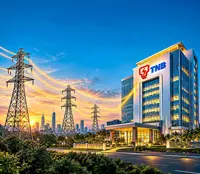
TNB’s journey has evolved alongside Malaysia’s development, from the Central Electricity Board (CEB) in 1949, to the National Electricity Board (NEB), or Lembaga Letrik Negara (LLN), in 1965, and subsequently Tenaga Nasional Bhd (TNB) in 1990.
In many ways, that growth mirrors the spirit behind TNB’s tagline “Better. Brighter” – a commitment to continually strengthen what powers progress.
As Star Media Group celebrates its 55th anniversary and Selangor marks 55 years of growth, it is a fitting moment to reflect on this shared journey and TNB’s role in Selangor’s next chapter.
Powering progress
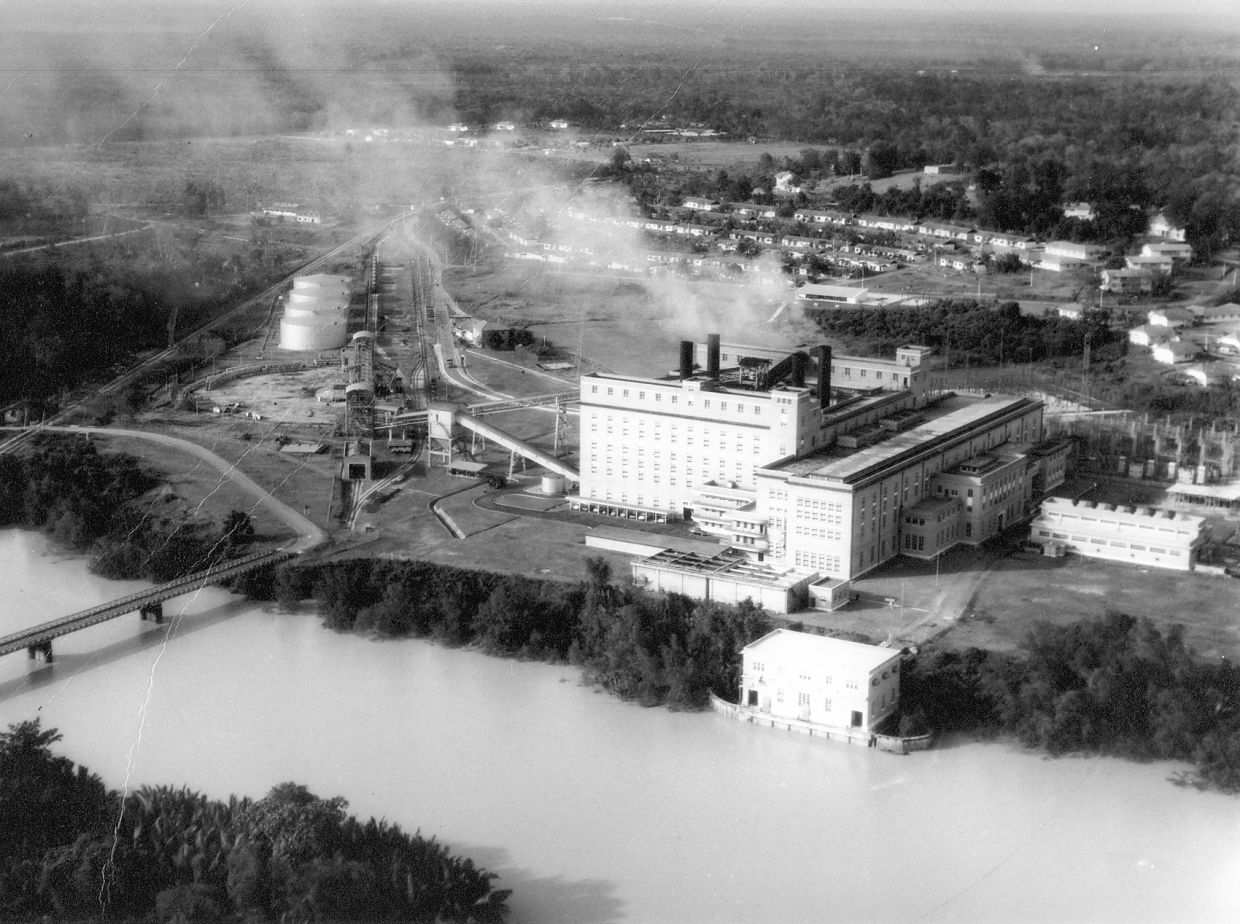
Selangor’s industrialisation was built on a foundation of reliable electricity. When CEB came into operation in 1949, it inherited major projects including the Connaught Bridge Power Station, the Cameron Highlands Hydroelectric Project and the development of the National Grid.
In Selangor, the precursor of the National Grid was already taking shape, with Bangsar Power Station connected to Connaught Bridge, before the network was subsequently extended towards Melaka.
Connaught Bridge became an important landmark in Malaysia’s electricity history, with a Grid Control Centre established there in 1963 to coordinate generation and the 66kV and 132kV grid network.
As Selangor evolved from agriculture and traditional industries into manufacturing and modern urban centres, its electricity network grew alongside it – powering factories, commercial centres, homes, hospitals, universities and communities.
That role remains essential today as Selangor’s continued development drives evolving electricity needs.
Building the infrastructure behind growth
Growth requires more than generation. It depends on power stations, transmission lines, substations and distribution networks capable of delivering electricity safely and reliably.
TNB plays a key role in powering Selangor, serving customers across residential, commercial and industrial segments.
As of Aug 31, 2026, the state had 2,341,255 electricity customers, comprising 1,936,027 residential, 369,294 commercial, 11,718 industrial and 24,216 other customers, including agriculture, mining, renewable energy and street lighting.
The National Grid is central to TNB’s core business, transmitting electricity across Peninsular Malaysia through 132kV, 275kV and 500kV networks. In 2025, TNB had 29,744km of transmission lines and 545 transmission substations.
In Selangor, as of August 2026, the transmission network comprised 2,547km and 64 transmission substations (PMUs), while the distribution network comprised 24,174 substations, 26,276.41km of overhead lines and 52,440km of underground cables, supporting reliable electricity supply.
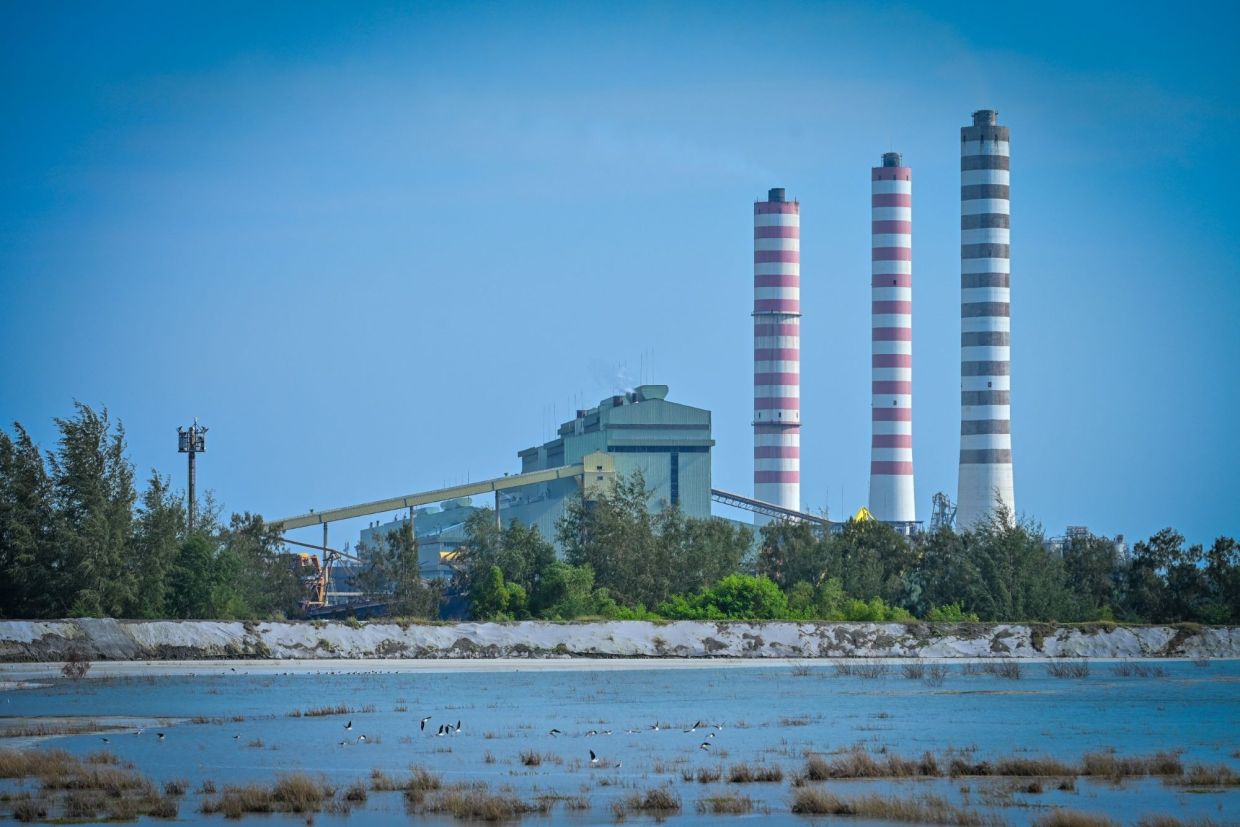
The Sultan Salahuddin Abdul Aziz Power Station in Kapar is another landmark in Selangor’s energy story. Its ash pond serves as an important high-tide roosting and wintering ground for migratory waterbirds along the East AsianAustralasian Flyway.
Long-term monitoring has recorded 36,692 waterbirds across 40 species, including globally endangered, vulnerable and near-threatened species.
Looking ahead, a 2,100MW combined-cycle power plant in Kapar is planned for commercial operation in 2031, supporting TNB’s energy-transition agenda and the continued evolution of Selangor’s electricity system.
Enabling Selangor’s economy
Selangor’s economy is diverse and technology-intensive, spanning manufacturing, advanced industries, logistics, commercial developments and a rapidly expanding digital economy.
The state’s economy grew by 6.3 per cent in 2025, supported by growth across key sectors including services, manufacturing and construction.
Data centres are also contributing to the state’s evolving electricity demand. As of June 2026, TNB committed electricity supply to five data-centre projects in Selangor, representing a committed maximum demand of approximately 1,005MW, or about 1GW.
To support this growth, TNB introduced the Green Lane Pathway, streamlining the grid connection process and providing a targeted electricity connection timeline of as little as 12 months, with dedicated support for data-centre investors and operators.
TNB also supports businesses seeking cleaner energy through rooftop solar, Renewable Energy Certificates (RECs), the Green Electricity Tariff (GET) and other renewable-energy offerings.
As Selangor’s economy continues to grow, reliable electricity remains an essential enabler of investment, digitalisation and new economic opportunities.
Driving sustainability, supporting communities
Nation-building is not just about megawatts and industry. It is also about people and the natural environment.
In Kampung Kuantan, Kuala Selangor, TNB’s Firefly Habitat Conservation and Community Empowerment programme demonstrates how environmental stewardship can benefit nature and livelihoods.
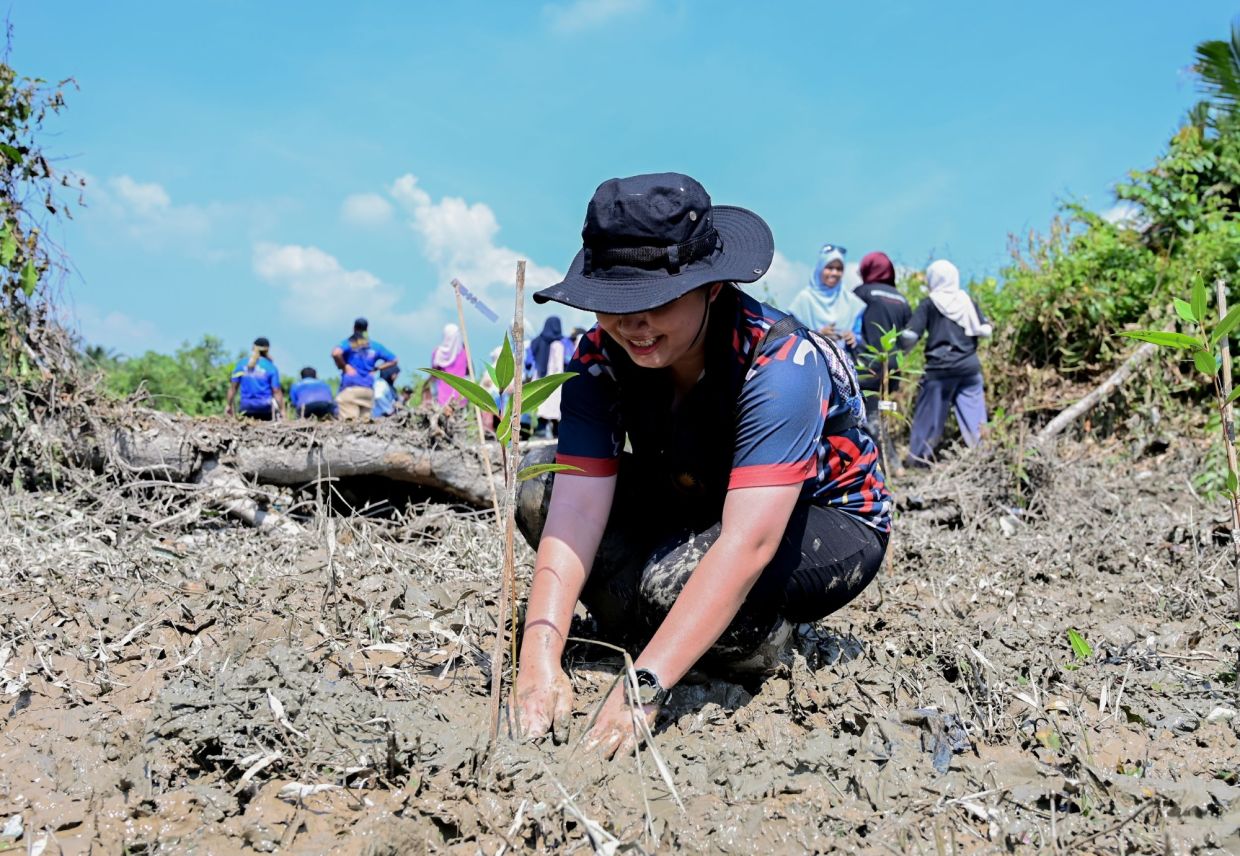
In 2025, it engaged 1,123 participants, supported eco-tourism through 12 fibreglass sampans, delivered 100 food aid boxes to underprivileged families, removed 349kg of waste from Sungai Selangor, planted 100 berembang trees and released 1,000 juvenile freshwater prawns.
Together with migratory-bird conservation efforts in Kapar, the programme reflects TNB’s commitment to supporting communities while safeguarding Selangor’s natural environment.
Preparing for what’s next
As Selangor moves towards AI, advanced manufacturing, renewable energy, electric mobility and smarter cities, TNB is evolving with it.
Through grid digitalisation and smart meters, customers can gain greater visibility and control over electricity consumption.
As of July 2026, TNB installed 2,152,769 smart meters across Selangor, covering 93 per cent of the state’s customers.
TNB is also enhancing Selangor’s distribution network through Distribution Automation, enabling remote monitoring and control.
As of August 2026, 9,015 distribution substations in Selangor have been equipped with Distribution Automation.
Meanwhile, renewable-energy integration, rooftop solar, green electricity solutions and EV charging infrastructure are helping prepare the grid for greater electrification and Selangor’s evolving energy needs.
Together, these efforts reflect the energy transition taking shape in Selangor, as TNB continues to evolve its infrastructure and solutions for a smarter and more sustainable electricity system.
Shaping tomorrow, together
Selangor’s 55-year journey is a story of ambition and continuous transformation. TNB’s journey reflects that same spirit – from CEB in 1949 and LLN in 1965 to TNB in 1990, evolving alongside Malaysia’s development.
The electricity infrastructure that supported Selangor’s early industrialisation helped lay the foundations for today’s economy.
As the state charts its next chapter as a smart, sustainable and globally connected economy, its energy system must continue to evolve.
As Selangor celebrates 55 years of growth and Star Media Group marks 55 years of telling Malaysia’s stories, TNB’s commitment remains unchanged: to provide reliable, secure and increasingly sustainable energy, while enabling progress for communities, businesses and future generations.
Because powering Selangor’s journey is not simply about keeping the lights on; it is about enabling what comes next, and shaping tomorrow, together.
To see how TNB is shaping a brighter energy future, visit tnb.com.my