BEHIND every growing economy is an essential resource often taken for granted: water.
From manufacturing to data centres, the next phase of economic expansion will depend not only on capital and labour, but on the ability to secure a reliable water supply for a growing economy.
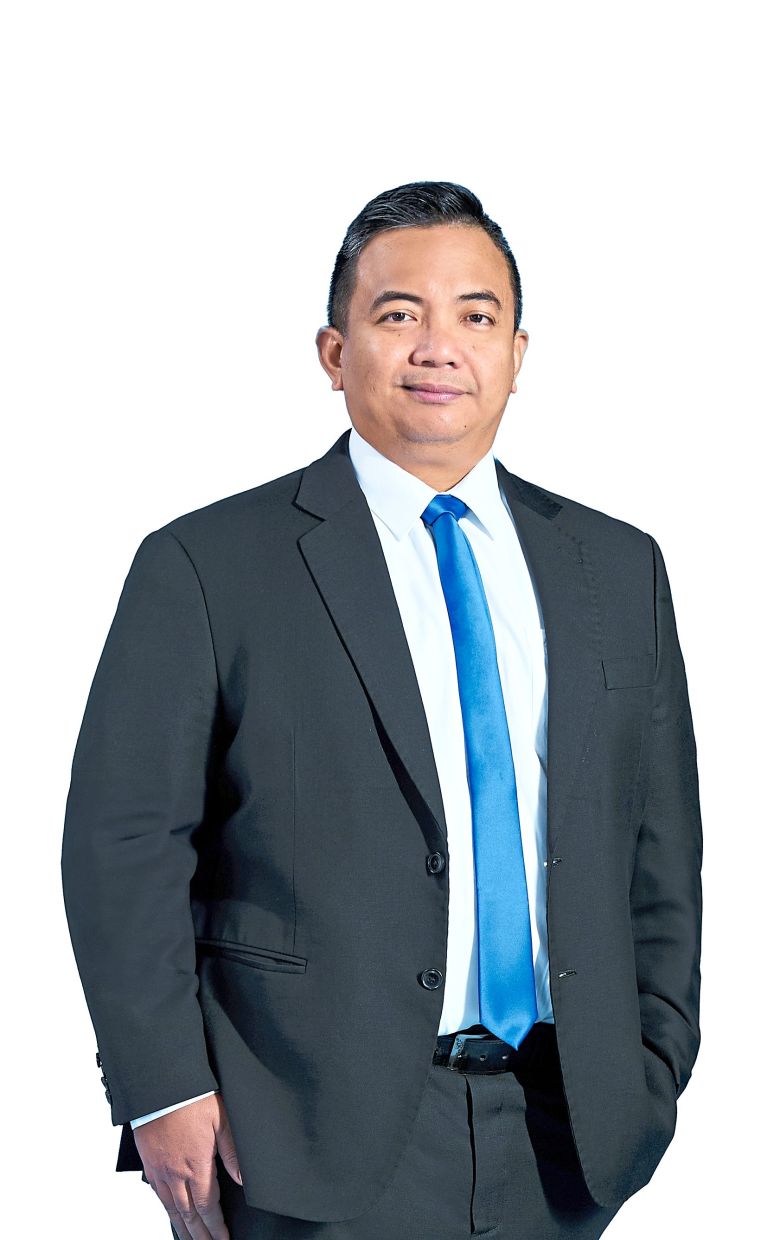
For Selangor, water security is a fundamental enabler of economic growth and its attractiveness as an investment destination, particularly for technology and manufacturing industries where a reliable and resilient water supply is critical to operational continuity, said Air Selangor chief executive officer Adam Saffian Ghazali.
The state recorded strong economic growth in 2025, with its gross domestic product (GDP) reaching RM460.1bil. This positive momentum has continued into 2026, with the state attracting RM70bil in investments as of June 2026. The services and manufacturing sectors contributed the largest share of these investments, bringing the state closer to its full-year investment target of RM80bil.
Many of these milestones are supported by the reliability of Pengurusan Air Selangor Sdn Bhd (Air Selangor), Malaysia’s largest water services provider, responsible for distributing clean and safe treated water to consumers across Selangor, Kuala Lumpur and Putrajaya.
Its operational performance is reflected in several key achievements. In 2025, the company reduced its non-revenue water (NRW) level to 26.8%, an improvement from 27% in 2024 and surpassing the National Water Services Commission’s (SPAN) NRW Matching Grant target of 27.5%. At the same time, its pipeline burst rate, measured by the Pipe Burst Index (PBI), improved to 2.94 bursts per 100km of pipeline per year, compared with 3.25 in 2024, and well below the global benchmark of 13.
For investors, these milestones provide greater confidence that Selangor’s water infrastructure is being planned not only for current demand, but also for the needs of future industries, he said.
“As technology and manufacturing investments become increasingly sophisticated and resource-intensive, the reliability, resilience and sustainability of essential utilities are important considerations in determining the long-term viability of an investment location.”
“As we celebrate our seventh anniversary this year, Air Selangor is committed to building a more resilient water ecosystem that can support Selangor’s ambition to attract and sustain high-value technology and manufacturing investments over the long term,” he added.
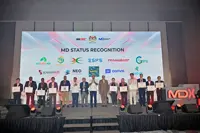
Its track record is further reinforced by its induction to the Leading Utilities of the World (LUOW) global network, making it the first water services provider in Malaysia to receive this recognition.
The accolade underscores the company’s commitment to innovation, operational excellence and high standards of performance, reinforcing its role in ensuring a reliable and resilient water supply to support the state’s continued growth.
Industrial growth
The next milestone for the state is to build on its momentum and achieve the RM600bil in revenue target by 2030 as outlined by the Second Selangor Plan (RS-2).
As the economy continues to grow, the persistent question is whether the state’s water assets can sustain the needs of both the people and industry.
This is particularly pertinent given the rapid growth of the data centre industry, as these facilities require significant amounts of water for cooling purposes. With around 40 approved data centre projects in the state, concerns over the potential impact on water demand and supply have naturally come into focus.
In response, Adam noted that Air Selangor regularly reviews the supply–demand outlook for Selangor, Kuala Lumpur and Putrajaya to assess its ability to meet water needs over the next 30 years. This allows the company to anticipate changes in population, consumption patterns and economic development, and plan its water infrastructure and resources accordingly.
In a separate news report, Selangor investment, trade and mobility committee chairman Ng Sze Han noted that the current demand from data centres has not placed pressure on Selangor’s domestic water supply.
This reflects the water operator’s capacity and expertise in managing the state’s water resources and infrastructure. At present, the state maintains an average treated water reserve margin of 17.86%, exceeding the 15% healthy or safe reserve margin set by SPAN.
Additionally, Air Selangor's current infrastructure comprises 34 water treatment plants with a combined design capacity of 6,500mil litres per day (MLD), of which about 5,415 MLD is currently utilised. This leaves a buffer of 1,085 MLD, which is able to meet the projected demands of data centres, according to Adam.
These figures demonstrate the state’s ability to accommodate industrial demand while maintaining a healthy buffer for domestic water needs.
“Air Selangor’s approach is to ensure that water security keeps pace with both population growth and economic development, while ensuring that domestic water security is never compromised,” he said.
Investment in innovative and sustainable solutions also plays an increasingly important role in supporting the growth of emerging industries.
A notable example is Air Selangor’s collaboration with Amazon Web Services (AWS), Indah Water Konsortium (IWK) and Central Water Reclamation Sdn Bhd (CWR), which established the Klang Valley’s first integrated reclaimed-water supply chain for data centre operations. The initiative involves Air Selangor supplying reclaimed water to AWS facilities.
From Jan 1 to Dec 31, 2025, CWR supplied approximately 1,203 megalitres of reclaimed water. This represents an important first step in establishing reclaimed water as a viable alternative source for industrial use.
As the system scales up, reclaimed water is expected to play an increasingly important role in meeting future industrial demand, particularly from the data centre sector, where water demand is projected to exceed 240 MLD.
By providing an alternative source for industrial applications, the initiative helps strengthen water security by allowing potable water resources to remain prioritised for domestic consumption by its 9.62mil consumers across Selangor, Kuala Lumpur and Putrajaya.
At the same time, it reflects a more sustainable and responsible approach to managing shared water resources, enabling industrial growth without compromising the reliability of water supply for households and other essential users.
Future development
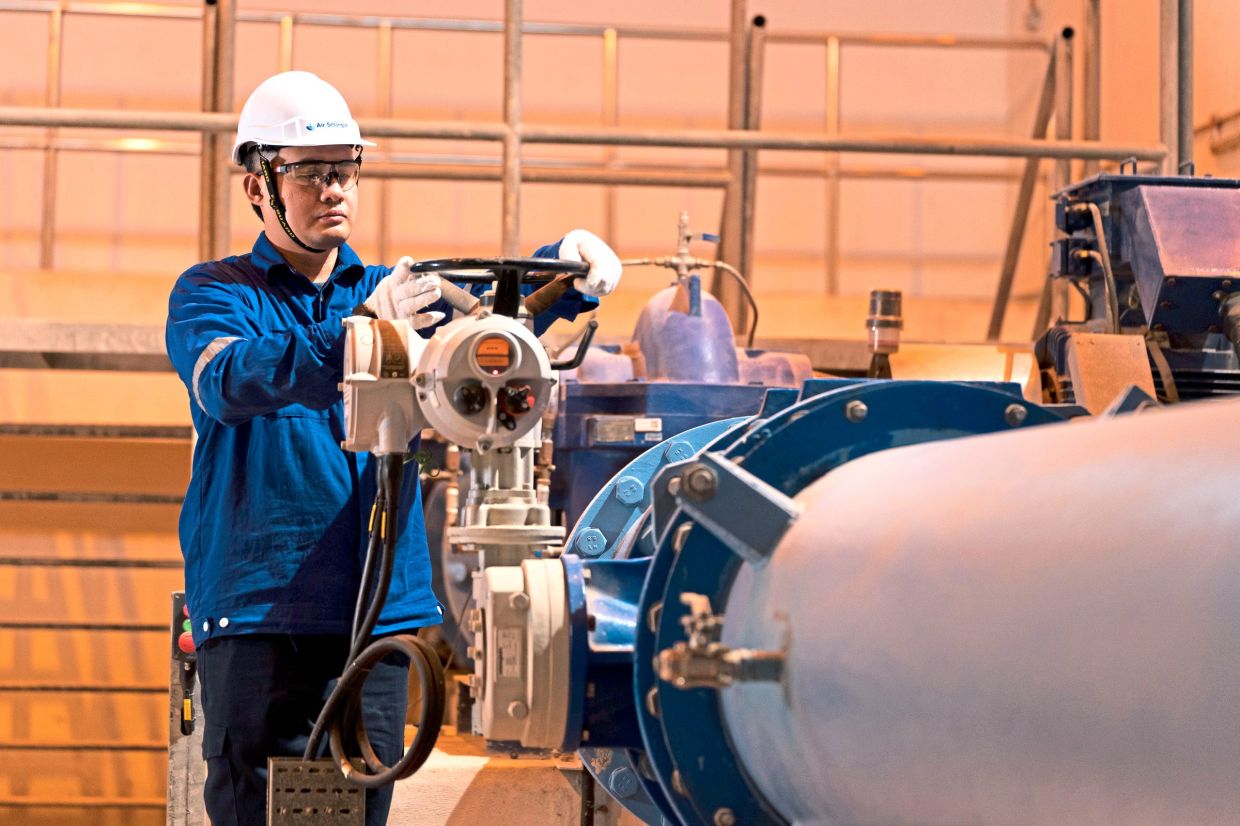
Air Selangor is also investing in new water sources and infrastructure to strengthen supply capacity and ensure the state is ready for future growth. One such project is the Rasau Water Supply Scheme.
Looking ahead to 2027, stage one of the project is expected to provide an initial 350 MLD by March 2027 and up to 700 MLD upon full completion in June 2027 to support demand in Klang, Petaling and Sepang.
Under the scheme, nine former tin-mining ponds have been identified as off-river storage (ORS) facilities, providing an additional source of raw water to bolster supply resilience.
Once fully implemented, the scheme is expected to provide an additional 1,400 MLD of treated water. It is also expected to increase the reserve margin from 16.7% to 24.8%, providing a stronger buffer to manage future demand growth and potential supply disruptions.
Other projects that will further strengthen the overall water supply system include Langat 2 Phase 2, which will utilise 760 MLD of raw water through an inter-state water transfer, and Labohan Dagang Phase 2, which will utilise an additional ORS with a capacity of 200 MLD.
These will contribute to the additional supply capacity required to meet future domestic, commercial and strategic industrial demand.
“Together, these projects are designed not only to address increasing water demand, but also to strengthen the resilience and flexibility of Selangor’s water supply system. This is particularly important as the state continues to attract new investments and develop high-value industries that require reliable and sustainable water infrastructure,” Adam said.
To learn more about Air Selangor and its initiatives, visit its official website at www.airselangor.com.