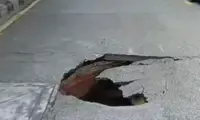
AS Malaysia experiences more frequent and intense rainfall, concerns over sinkholes have been increasing.
Sinkholes can occur due to a combination of factors, including natural geological conditions, underground water movement, construction activities and the condition of underground infrastructure.
As every incident is unique, determining the exact cause requires a thorough technical investigation.
Recognising the importance of maintaining resilient underground infrastructure, Indah Water Konsortium (IWK) adopts a proactive risk-based asset management approach to reduce the risk of sewer-related sinkholes.
IWK manages approximately 22,500km of public sewer pipelines nationwide, with particular attention given to critical reinforced concrete sewer pipelines measuring 600mm in diameter and above.
The large trunk sewers typically operate at or near full sewage flow capacity and are exposed to high flow velocities as well as prolonged accumulation of hydrogen sulphide gas, which accelerates concrete corrosion and increases the risk of structural deterioration over time.
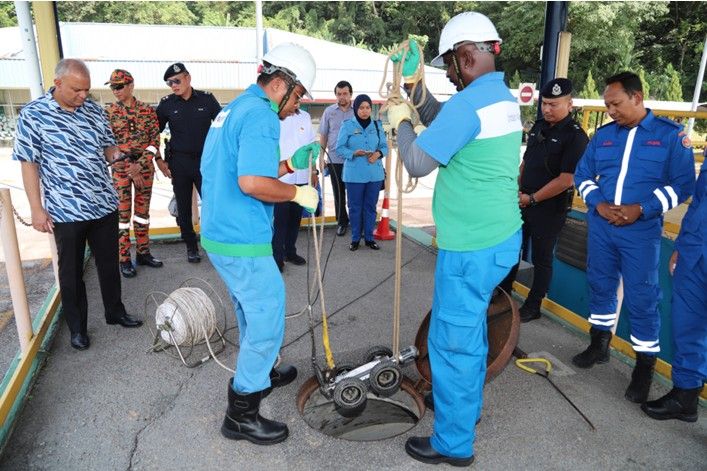
As part of its mitigation strategy, IWK conducts periodic condition assessments on these critical sewer assets using advanced inspection technologies, including Ground Penetrating Radar (GPR), CCTV crawler inspections, push rod cameras and pole cameras, depending on site accessibility and operational requirements.
Based on the inspection findings, rehabilitation measures such as trenchless sewer lining or replacement of defective sewer pipelines are carried out to restore structural integrity, minimise the likelihood of pipe failure and ensure the continued reliability and safety of the country’s sewerage infrastructure.
According to IWK chief executive officer, Narendran Maniam, understanding the relationship between extreme weather and underground infrastructure is increasingly important as Malaysia experiences more unpredictable weather.
“Heavy rain can destabilise the ground leading to ground shifting. This movement can displace or misalign sewer pipes, causing blockages and breaks.
“Heavy rain can also significantly increase the water pressure in sewer lines. This surge in pressure can cause pipes to crack or even burst, leading to severe leaks that require a complete sewer line replacement.
“The extra water places additional pressure on already strained sewer pipes,” said Narendran.
He explained that when the ground becomes saturated, it loses strength while the additional water places pressure on ageing sewer pipes.
If these pipes shift, crack or fail, the surrounding soil may be washed away, creating underground voids beneath the surface.
As these voids grow larger, the ground above can suddenly collapse forming a sinkhole; posing risks to public safety and damaging roads and nearby infrastructure.
Heavy rain can also affect how sewer systems operate. Large volumes of rainwater can enter the sewer network through cracks, joints and manholes, putting additional pressure on the system.
Older sewer pipes are especially vulnerable and may shift, crack or deteriorate over time.
As weather patterns become more extreme, maintaining resilient sewer infrastructure and being prepared for emergencies is more important than ever.
To strengthen its readiness, IWK recently conducted a Crisis Simulation Exercise at its Asian Sewerage Training, Research & Innovation Centre of Excellence (ASTRICE).
The exercise simulated a major sinkhole involving casualties and suspected damage to a large sewer pipeline.
The simulation tested IWK's emergency response procedures, including the mobilisation of operational teams, crisis management, communication and coordination with the Fire and Rescue Department, Royal Malaysia Police and other relevant agencies.
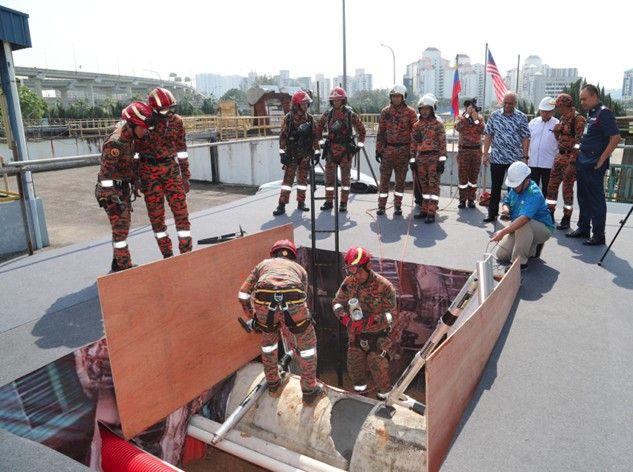
“The exercise allowed us to test our response procedures, strengthen coordination between teams and agencies, and improve our ability to make timely decisions during a crisis,” said Narendran.
He added that protecting public safety and ensuring the continuous operation of Malaysia's sewerage services remain IWK's highest priorities.
The exercise was conducted in a controlled environment and did not involve an actual emergency, but the findings will nevertheless help IWK enhance its crisis management plans and its readiness to respond to future emergencies.
The exercise also helped strengthen and document IWK’s crisis management standard operating procedures (SOPs), ensuring employees are aware of their roles and are always prepared to respond effectively during emergencies.
As extreme weather events become more common, preparedness is key. Through continuous planning, training and collaboration with emergency agencies, IWK remains committed to protecting communities and ensuring Malaysia's sewerage infrastructure remains safe, reliable and resilient.