
IN AN era of rapid technological change and scientific advancement, the timeless human quality of empathy remains a cornerstone of effective medical care.
At its best, medicine is not only about diagnosing disease and prescribing treatment; it is also about understanding what people feel, fear and hope for.
This calls for the deliberate cultivation of empathy among healthcare professionals.
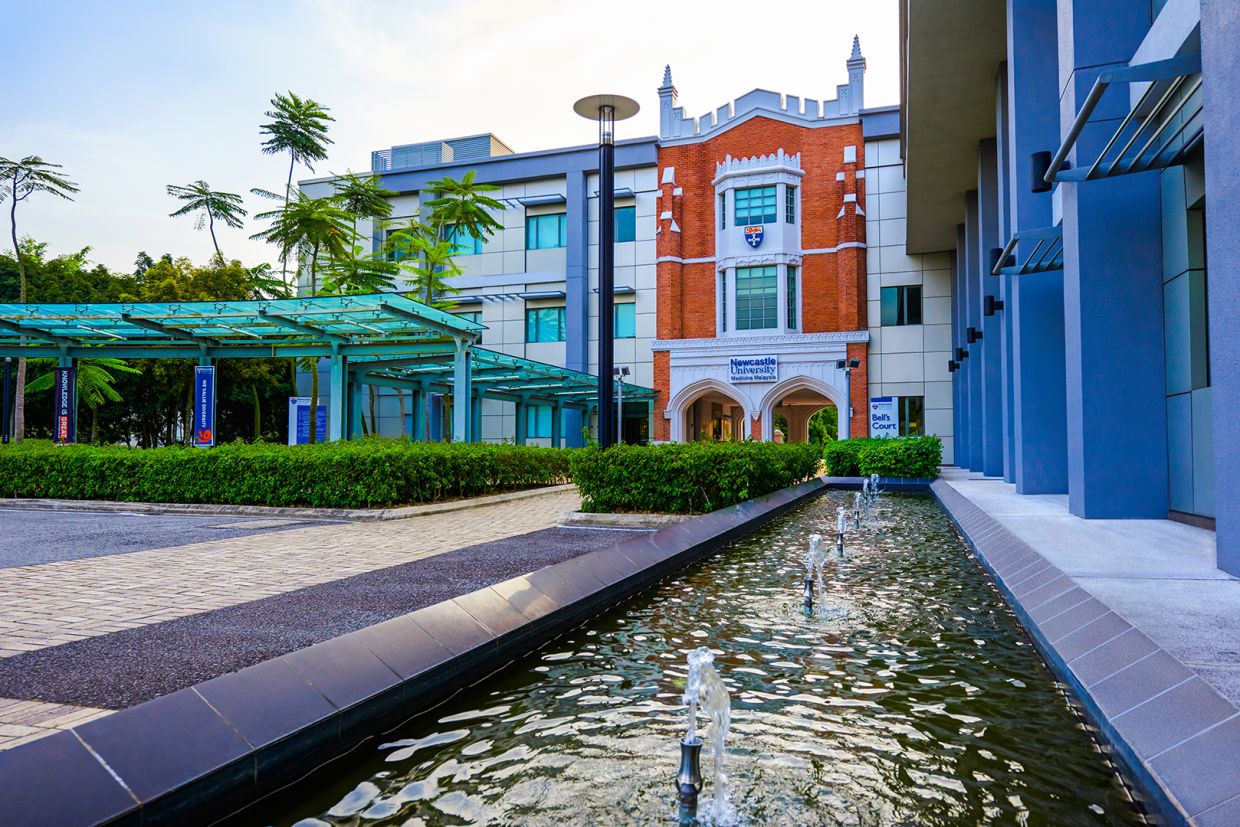
Empathy in healthcare directly affects patient outcomes. A 2024 study by researchers from the University of Leicester in the UK revealed that greater empathy in patient interactions is linked to higher patient satisfaction, improved recovery rates and better overall quality of care.
“Empathy helps the healthcare professional see the person behind the symptoms and informs thoughtful scientific inquiry, guiding clinicians and researchers to design care and investigations that respond to human needs,” said Newcastle University Medicine Malaysia (NUMed) clinical skills and simulation senior clinical lecturer, Dr Nurilyani Othman.
In Malaysia, studies have shown that empathy levels among medical students can vary with experience and educational context, highlighting the importance of structured training and targeted curriculum strategies to inculcate and sustain empathy throughout medical education.
At NUMed, empathy is embedded across all programmes, with students exploring patient-centred thinking through a blend of lectures, clinical practice and simulation labs.
Its curricula are designed to foster an understanding of patients as individuals with unique needs.
In clinical practice, students are encouraged to engage directly with patients, to develop strong communication skills and a compassionate approach to care.
Simulation labs, on the other hand, provide an immersive environment to refine both technical and interpersonal skills, equipping students with invaluable experience in managing real-world scenarios.
“We are intentional in building opportunities for students to reflect, listen and practise compassionate communication with patients and peers,” added Dr Nurilyani.
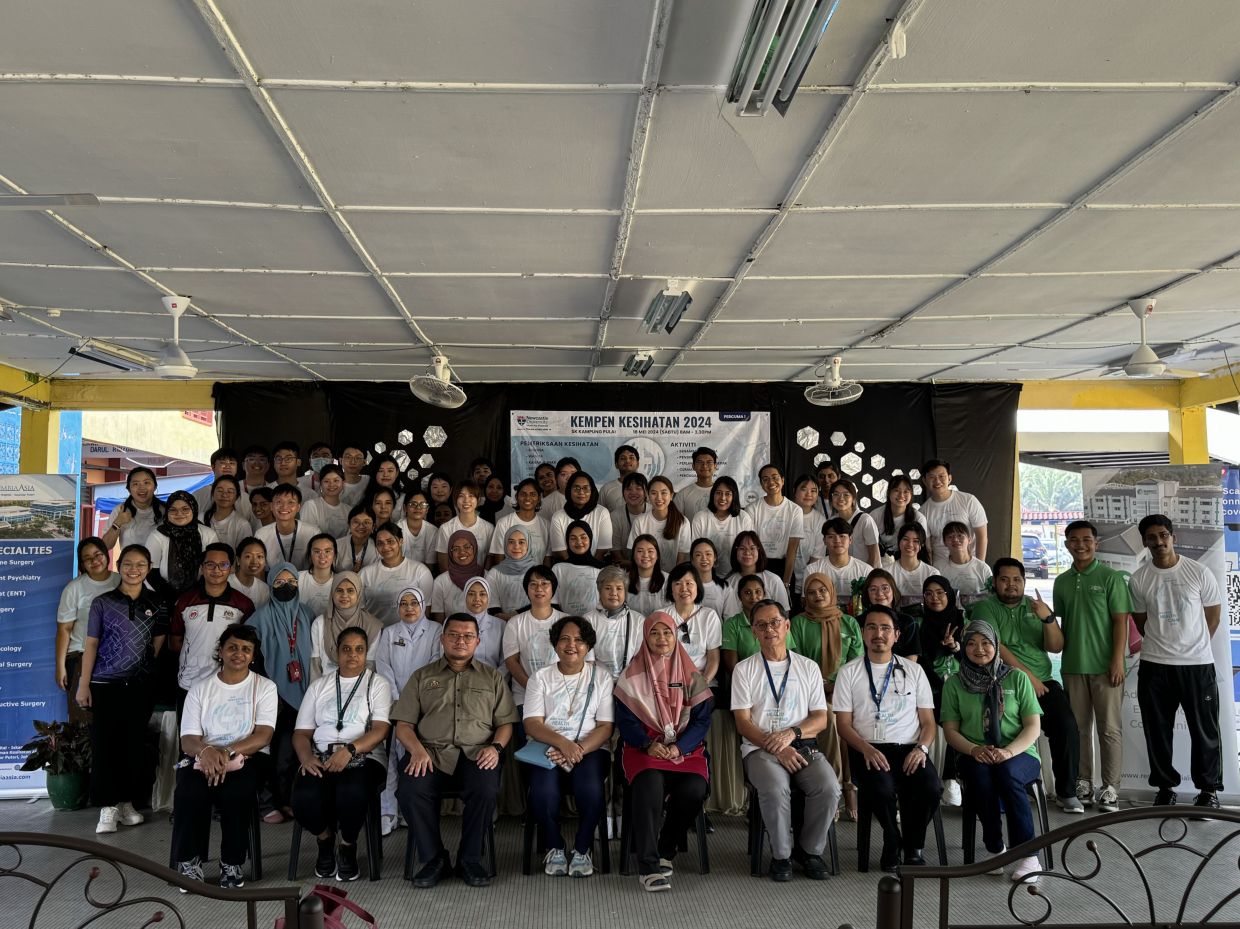
Beyond lectures, students at NUMed engage in community outreach programmes and clinical experiences that deepen their understanding of the realities patients face outside the classroom.
For example, in Year Five of the Bachelor of Medicine, Bachelor of Surgery (MBBS) programme, students organise annual health camps for local communities, where they learn to adapt medical knowledge to real-world patient needs.
Additionally, there are numerous volunteer opportunities that allow students across various programmes to engage with the community and gain a deeper understanding of the challenges people face.
As medical technology evolves, the potential for enhanced diagnostics and treatment continues to grow.
Dr Nurilyani highlights that technology should complement, not replace, human empathy.
“Artificial intelligence (AI) and digital tools are making strides in healthcare. However, the human connection and the ability to understand a patient’s emotional and cultural context are something that technology cannot replicate,” she said.
This perspective echoes broader academic insights. While digital systems can improve the efficiency of care, the environment in which practitioners work must also foster empathy if compassionate care is to thrive.
In a time where healthcare systems face mounting pressures and rapid innovation, empathy remains a timeless and essential component of quality care, giving meaning to the field of health sciences.
For more information, visit www.newcastle.edu.my, email admissions@newcastle.edu.my, call 07-555 3800, or WhatsApp 011-1231 5411 or 012-784 9456.
NUMed will also be hosting an Open Day on Feb 28. Click here to find out more.