




PETALING JAYA: At the age of 20 and in her first job, Seremban cafe worker Clarice Fung sees the minimum wage as protection against being underpaid while she builds her experience and skills.
Fung said young workers entering the job market often lacked the bargaining power to negotiate their salaries.
“If there was no minimum wage, I feel some employers could just pay whatever they wanted and I would not really know what was fair,” she said.
“At least now there is a baseline and I know the lowest amount I should be getting,” she noted.
Fung said the minimum wage law also helped when planning her budget and savings for travel, further studies and additional skills.
“EPF and Socso contributions means I’m already saving for retirement and receiving protection against work-related injuries,” she added.
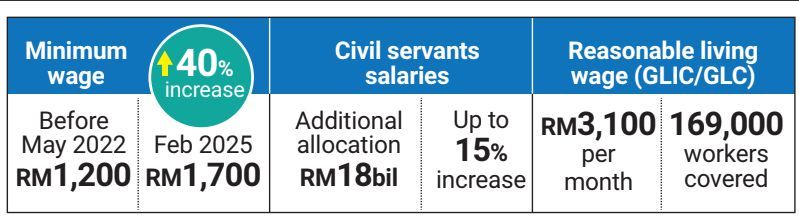
The RM1,700 minimum wage is one of three wage measures introduced across different sectors of the country’s workforce.
It took effect on Feb 1, 2025, for employers with at least five workers and those carrying out professional activities, before being extended to include small enterprises on Aug 1 the same year.
Civil servants also received salary adjustments of up to 15% under the Public Service Remuneration System – costing an estimated additional RM18bil in 2026.
Separately, participating government-linked investment companies (GLIC) and government-linked companies (GLC) adopted a RM3,100 monthly living wage benchmark, covering about 169,000 workers by February this year.
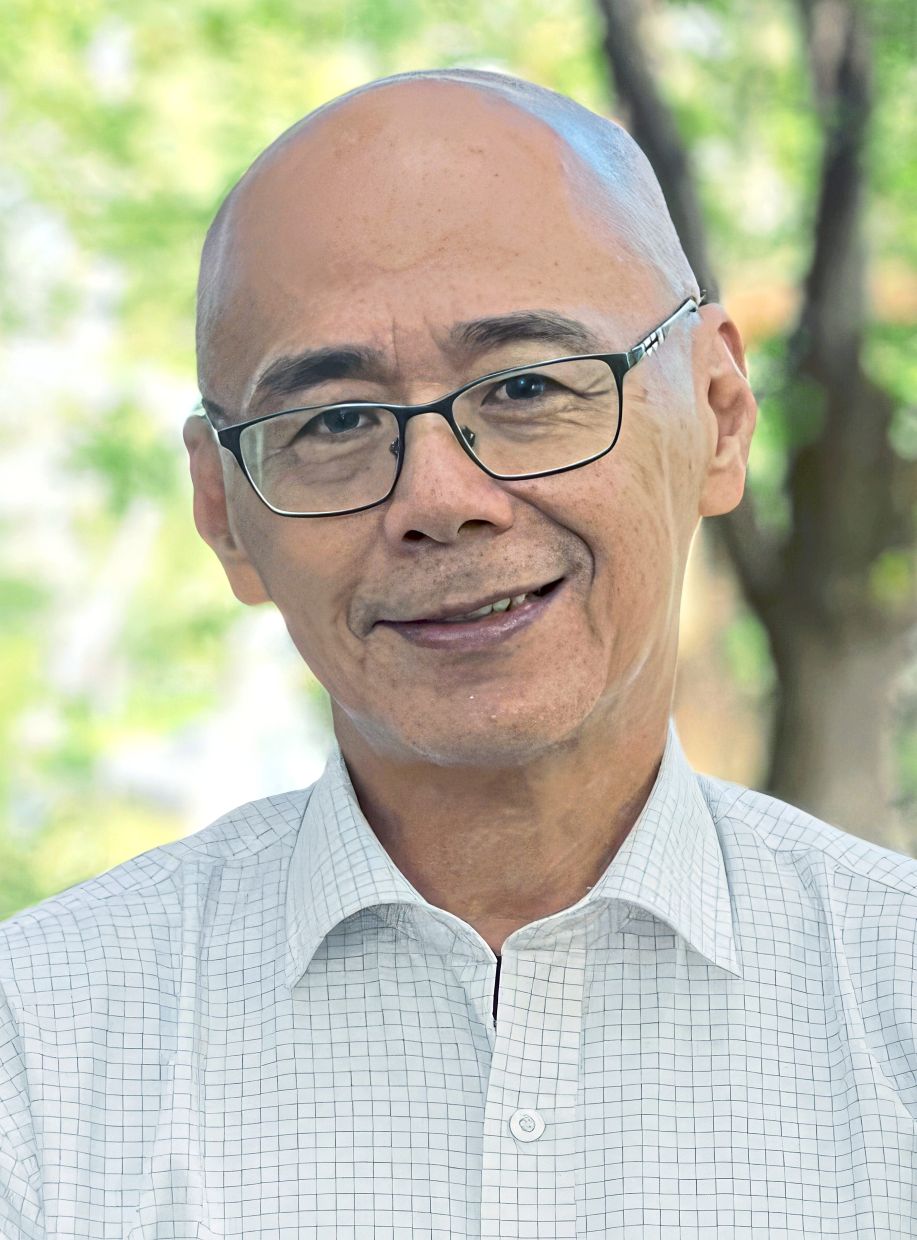
Labour Law Reform Coalition deputy president and former National Wages Consultative Council member Andrew Lo said the measures were a step in the right direction.
“For a country to progress further, we have to move beyond a low-wage economic model,” he said.
Lo said higher wages could encourage businesses to invest in technology and more efficient work processes instead of relying on low-cost labour.
He cited tablets and digital ordering systems in restaurants as examples of technology helping workers serve customers more efficiently.
He said higher earnings could also support businesses by increasing workers’ capacity to spend on goods and services.
Taylor’s University School of Accounting and Finance senior lecturer Dr Paul Anthony Maria Das said employers should also review the salaries of workers earning slightly above RM1,700.

“Employers should conduct structured salary reviews rather than merely increasing the lowest salary level and leaving the rest of the wage structure unchanged,” he said.
Lo said the concern was how to ensure workers getting slightly above the minimum wage would also receive meaningful salary increases.
Paul Anthony said the distinction between the RM1,700 minimum wage and RM3,100 living wage benchmark was important.
“The minimum wage should be viewed as a basic legal protection rather than a guarantee of financial comfort.
“A living wage is a more ambitious objective linked to dignity, security and reasonable participation in society,” he said.
Lo welcomed the RM3,100 initiative, saying GLICs and GLCs could lead by example and encourage private sector employers to review their pay structure.
Universiti Putra Malaysia Faculty of Human Ecology dean Prof Dr Mohamad Fazli Sabri said the measures could strengthen household resilience, but their success depended on whether wage gains could outpace living costs.
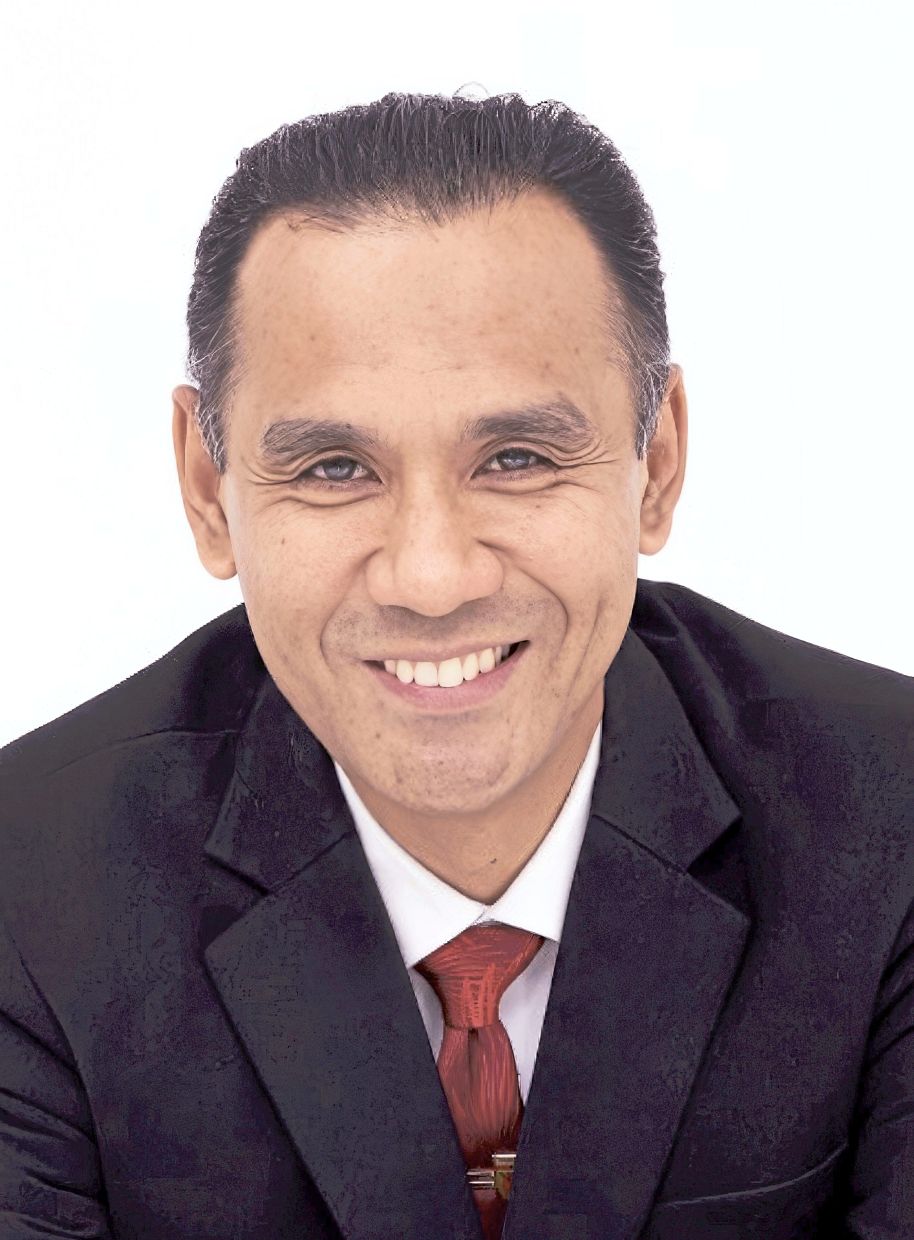
He said additional income could help households meet basic needs, reduce dependence on debt and create room for emergency savings and retirement funds.
He further said that wage increases needed to be supported by broader economic improvements.
“A high-wage economy requires productive workers, high-value jobs, upskilling, technology adoption and innovation," Prof Mohamad Fazli added.


