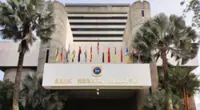
Bank Negara urged to crack down on unfair hospital billing practices
BANK Negara should impose firm punitive action against insurers that have undermined the welfare and interests of policyholders through discriminatory and questionable billing practices in private hospitals.
This was one of the recommendations by the bipartisan parliamentary Public Accounts Committee (PAC) after it discovered price discrimination and questionable billing practices in private hospitals.
These include higher charges for some patients using Guarantee Letters (GLs) and separate fees for basic items that should be covered under room charges.
“Bank Negara should also ensure that the insurance and takaful industry transitions towards incremental annual repricing and more stable annual premium adjustments to avoid significant financial shocks to policyholders.
“It should also review cohort-based premium pricing and consider a suitably calibrated approach to strengthen fairness in risk-sharing while preserving affordability and long-term sustainability,” committee member Dr Halimah Ali said when tabling the PAC findings.
The Malaysia Competition Commission (MyCC) should also provide guidance to stakeholders on discount negotiations between hospitals and insurers to ensure the process remains fair and does not adversely affect patient access, she added.
“The PAC found instances of unbundled charges for basic items such as clinical waste disposal, pillowcases and alcohol swabs, which should ordinarily be included in room charges.
“It also found evidence of price discrimination, whereby patients using GLs are charged higher rates than cash-paying patients or those using pay-and-claim arrangements,” she said.
She added that the committee had also identified a lack of transparency in cross-subsidisation, with private hospital billing structures failing to accurately reflect actual costs.
“Charges for medicines and medical supplies are often subject to significant mark-ups, sometimes reaching 300%, to subsidise mandatory operational costs that are either not billed directly or are subsidised, such as ward charges, ICU services and the provision of 24-hour emergency departments,” she said.
Dr Halimah added that the Health Ministry should ensure that amendments to the Private Healthcare Facilities and Services Act are implemented to empower it to regulate private hospital service charges beyond doctors’ fees.
“The ministry and Bank Negara should strengthen complaint resolution channels and mechanisms relating to insurance and medical costs to ensure issues are resolved efficiently and effectively.
“In collaboration with the Domestic Trade and Cost of Living Ministry, the government should also establish price control mechanisms for medicines and medical devices to ensure prices remain reasonable and to prevent excessive profiteering,” she said.
The findings and recommendations of the PAC follow 19 hearings held between February and August last year.