PM cites energy security among possible collaborations
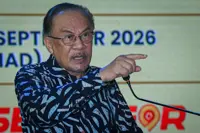
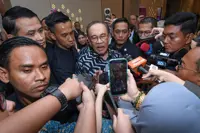
KAZAN: From Asean-Russia cooperation and energy security to Russian literature and the humanitarian crisis in Gaza, Datuk Seri Anwar Ibrahim fielded a wide range of questions on the sidelines of the Asean-Russia Business Forum here.
At the heart of the engagement with the international media was the future of Asean-Russia relations, with the Prime Minister describing the potential for cooperation as far greater than the current levels of engagement.
He said platforms like the Asean-Russia Business Forum helped foster greater understanding and collaboration between both sides.
“The potential is enormous,” he said, noting that while Asean has longstanding economic ties with partners such as the United States, China and India, cooperation with Russia remained largely untapped, Bernama reported.
He said closer collaboration could be pursued in energy security, cybersecurity, agriculture, digital technology, scientific research and higher education.
He also highlighted Tatarstan’s rapid development in technology, science, research, education and defence, saying this offered opportunities for greater cooperation and knowledge-sharing between Asean and the Russian republic.
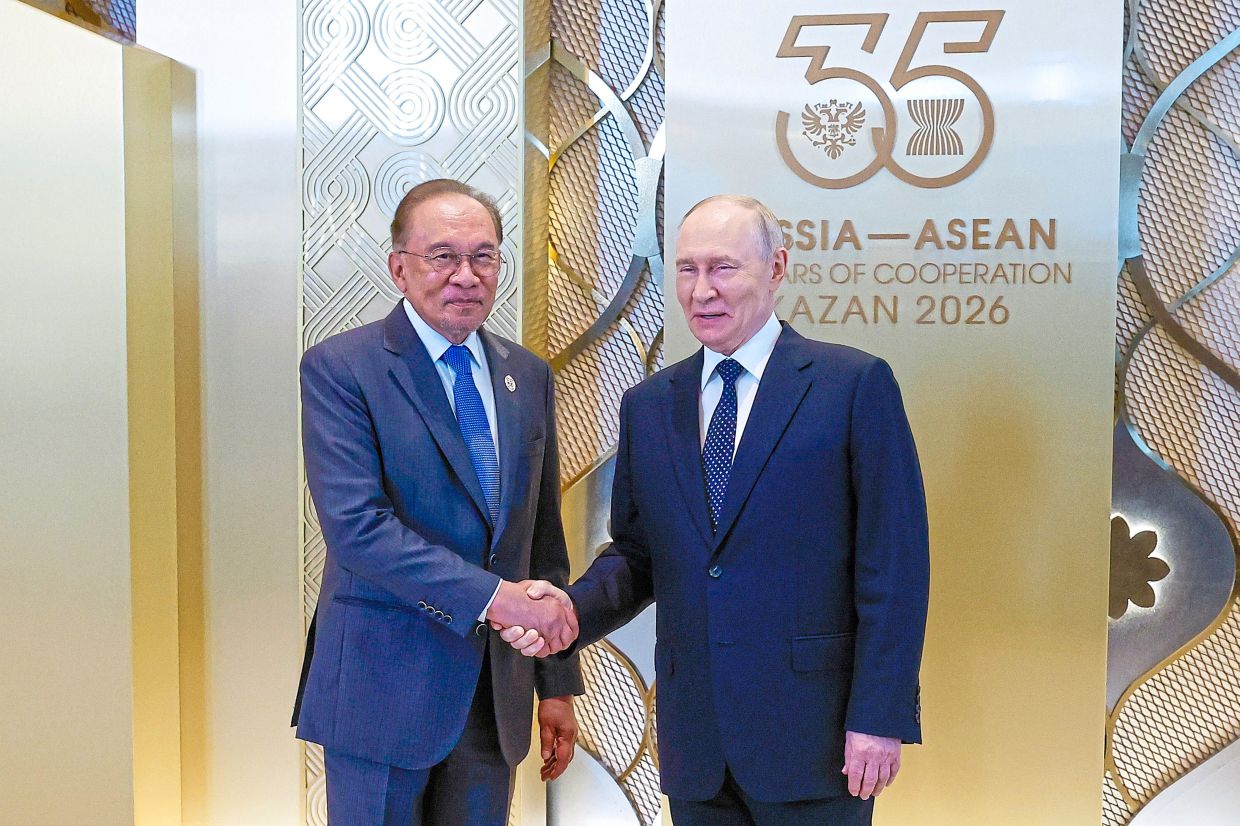
Anwar also described his meeting with Russian President Vladimir Putin as productive, particularly in discussions involving economic cooperation and energy security.
The exchange had a light moment when journalists asked about the Russian songs frequently featured on Anwar’s Instagram account, such as Matushka, Zemlya and Kalinka Malinka.
“Well, I love them; my kids love them, so they memorise them. I don’t, but I love the music,” he said, drawing smiles.
Anwar spoke about his appreciation for Russian literature and poetry and keen interest in the works of renowned Russian writers such as Leo Tolstoy, Anton Chekhov and Boris Pasternak, noting that many of their literary works had also been translated into Malay.
He said cultural exchanges were just as important as economic and technological cooperation in strengthening relations between nations.
“Culture, poetry and literature are important because then you have better affection and understanding of people and human beings,” he added.
Anwar said he had been in contact with several leaders, including Iranian President Masoud Pezeshkian, Pakistani Prime Minister Shehbaz Sharif, Egyptian President Abdel Fattah El-Sisi and Turkish President Recep Tayyip Erdogan, all of whom were advocating a peaceful resolution to the ongoing tensions in the Middle East.
The session concluded with questions on Gaza, an issue on which Anwar has consistently been outspoken.
Describing the humanitarian situation as a failure of the international community, he criticised what he viewed as double standards in the application of democratic values and human rights principles.
“You cannot have a system that allows killing and torturing children and women on a daily basis, and we sit down saying nothing,” said Anwar, who is on a two-day working visit to Kazan, the capital of Tatarstan, to attend the Asean-Russia Commemorative Summit.
Putin said Russia and Malaysia have established a strong foundation for further expanding bilateral cooperation as both countries approach the 60th anniversary of diplomatic relations next year.
Speaking during a meeting with Anwar on the sidelines of the summit, he said the two countries were approaching the milestone with “substantive positive experience” in bilateral engagement.
Putin noted that Russia and Malaysia maintained regular contact through their ministries, agencies and parliaments, with an intergovernmental commission on economic, scientific, technical and cultural cooperation responsible for the practical implementation of joint projects.
He said bilateral trade has continued to grow, increasing by 12.9% last year.
The president welcomed Malaysia’s support for strengthening the strategic partnership between Russia and Asean.