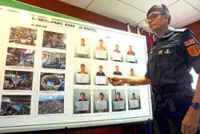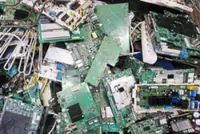
IPOH: Police have crippled an illegal electronic waste processing operation here, detaining 14 people and seizing 120,220kg of mixed e-waste worth an estimated RM9.4mil.
Those detained included two Malaysian men aged between 40 and 45, who are believed to be managers of the premises, said General Operations Force (GOF) Northern Brigade commander SAC Balveer Singh Mahindar Singh.
The rest were 12 Myanmar nationals – eight men and four women – aged between 20 and 50.
He said Op Taring E-Waste was conducted on August 3 at three premises here.
“Checks found that the premises had installed and operated several e-waste processing facilities without notification or approval from the Department of Environment (DOE).
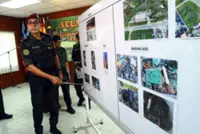
“They had an ordinary business licence issued by the local authority, such as for metal or cardboard recycling. But they did not have the specific licence required to process e-waste,” SAC Balveer Singh told a press conference at the GOF Northern Brigade headquarters here yesterday.
He said unlicensed e-waste processing activities not only violated the law but could have serious consequences on the environment and local communities.
“Illegally processed electronic waste could release toxic substances into the air, soil and water sources, potentially affecting public health through polluted air and unsafe water while also putting workers safety at risk.
“Such pollution not only disrupts ecosystems but also affects the wellbeing of local communities.”
SAC Balveer Singh added that the checks uncovered an improperly managed water treatment facility, which could pose environmental pollution risks.
Besides the 120,220kg of mixed e-waste, he said enforcement teams also seized the machines and equipment used to process the waste.
“Other items seized were a trailer lorry and two forklifts that were used to transport e-waste,” SAC Balveer Singh noted.
The total value of the seizures was estimated at RM9.394mil, he added.
SAC Balveer Singh said the DOE had taken custody of all seized items and was investigating the case under Sections 18(1), 25(1), 34A and 34B of the Environmental Quality Act.
The Perak Immigration Department was also investigating the case under Sections 6(1)(c), 55B and 55E of the Immigration Act, he said.