
Science-led work reconnects wildlife habitats in Lower Kinabatangan floodplain.
WHEN forests degrade, wildlife species lose their homes, breeding becomes difficult and the air becomes thinner.
These are the usual observations recorded by researchers all over the world, and that includes Sabah as well.
Realising the need to restore degraded forest for a larger conservation purpose, research officer Amaziasizamoria Jumail, known as Maz among her peers, shares an insight on how their latest Regrow Borneo project is fitting this objective.
She said the project, which began in 2020 and also aims to create a wildlife corridor, is a restoration initiative based in the Lower Kinabatangan floodplain involving forests that have been heavily impacted by historical logging, land-use change, and recurring flooding.
Rather than focus solely on tree planting, the project takes a long-term, research-led approach to ecosystem recovery, she said.
Maz said restoration is carried out incrementally at a one-hectare scale, combining planting, site maintenance and continuous ecological monitoring to better understand how these systems recover over time.
She said to date, more than 50ha have been restored, with over 50,000 native trees planted across multiple sites using floodplain-adapted species.
“However, planting is only one part of the process.
“As a floodplain system, the Kinabatangan is highly dynamic, and successful restoration depends on sustained care, adaptation and long-term monitoring rather than short-term outputs,” she said.
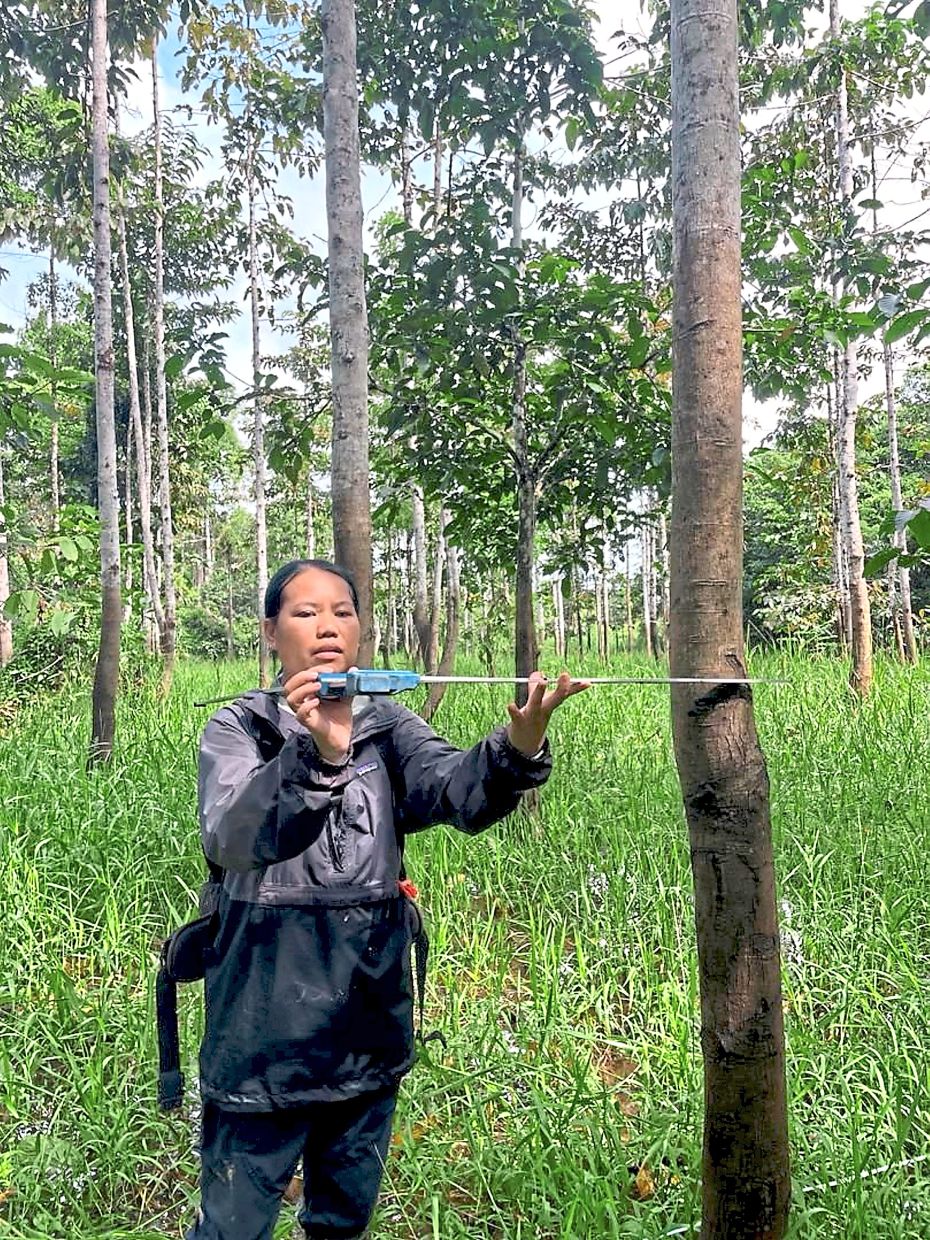
“From a monitoring perspective, we are already seeing measurable progress in forest structure and carbon dynamics,” said Maz.
She said tree carbon stocks have increased consistently across all monitored sites, and annual carbon sequestration has remained positive throughout the monitoring period.
Drone imagery supports these findings, showing increasing vegetation cover and early canopy development across restoration areas, she said, adding that together, these indicators suggest that restored sites are establishing structure and beginning the process of ecosystem recovery.
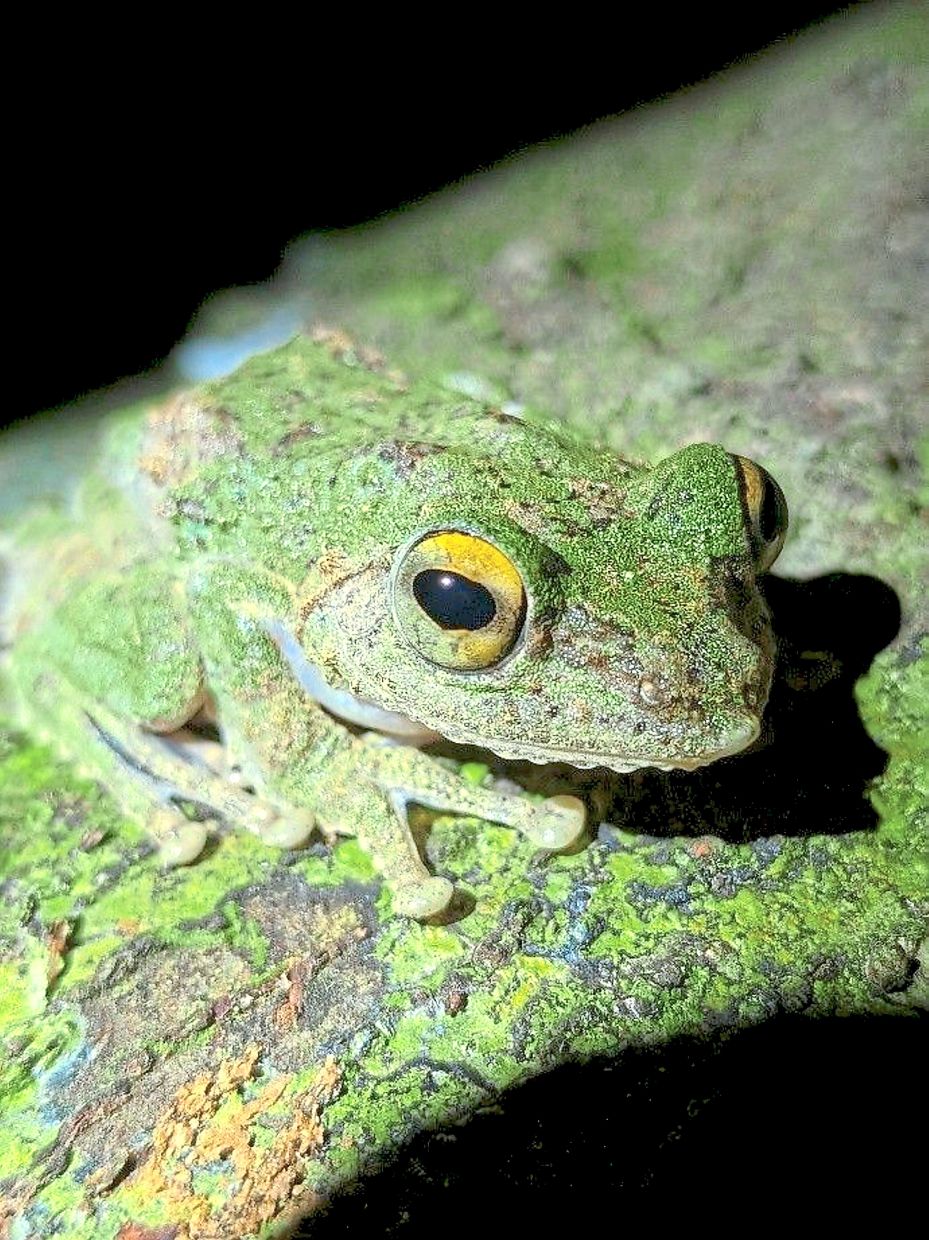
In terms of biodiversity, it is important to recognise that the project is still in its early stages, Maz said, explaining that they were monitoring birds, mammals, dung beetles, and amphibians annually.
“But early trends are variable, and in some cases, show temporary declines. These patterns are not unexpected.
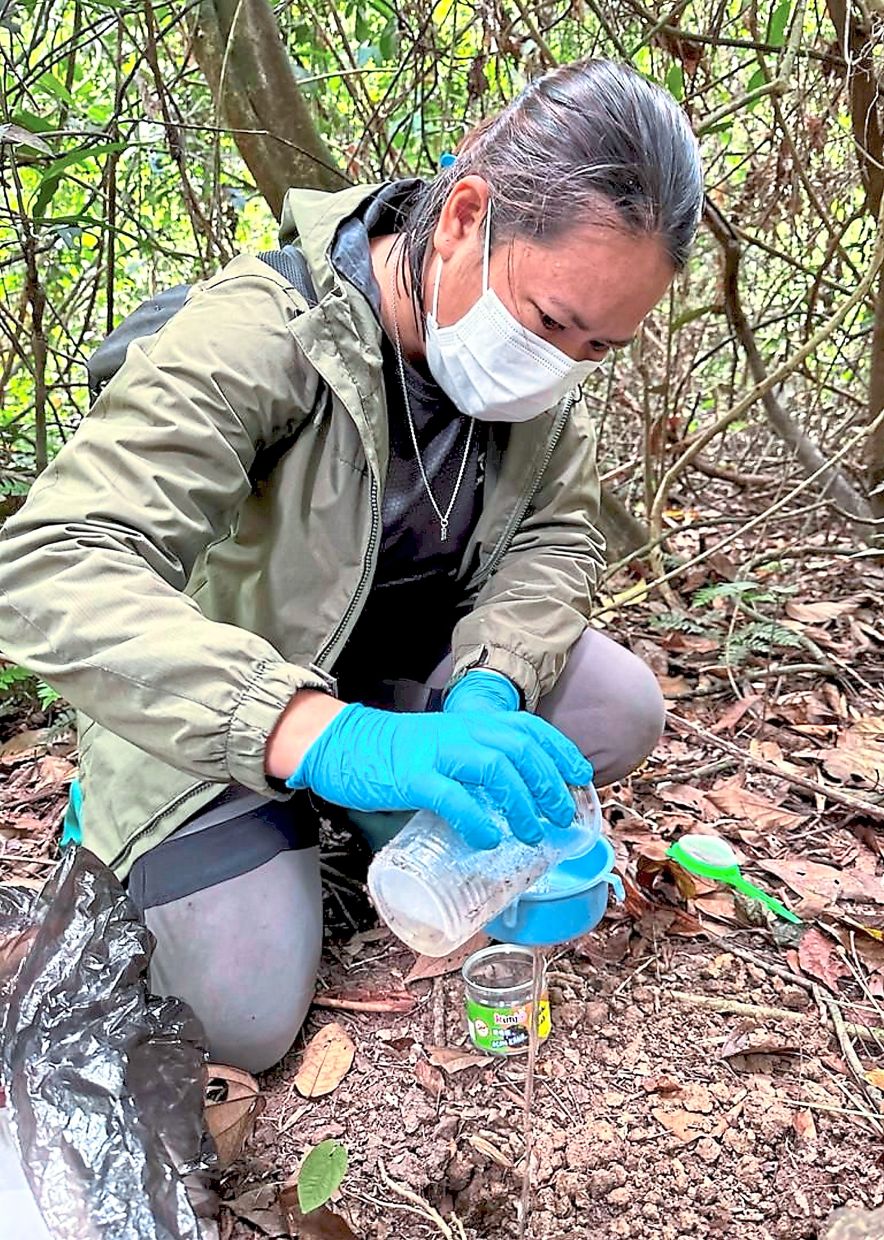
“In floodplain systems, early restoration often leads to ecological reorganisation rather than immediate recovery as changes in vegetation structure can alter habitat conditions, affecting how species use these areas in the short term,” she said.
Maz said by restoring degraded forest patches and reconnecting fragmented landscapes, Regrow Borneo aims to improve habitat connectivity.
Over time, this can allow wildlife to move more freely between areas, reducing isolation of populations and increasing access to resources such as food and shelter, she said.
She said healthier, connected habitats are also expected to support more stable wildlife populations and potentially reduce encounters between wildlife and nearby human activities.
Maz explains that depending on what they are measuring, tree growth and carbon uptake can be detected within the first few years, whereas biodiversity recovery typically takes longer with full ecosystem recovery expected to take up to decades to see.
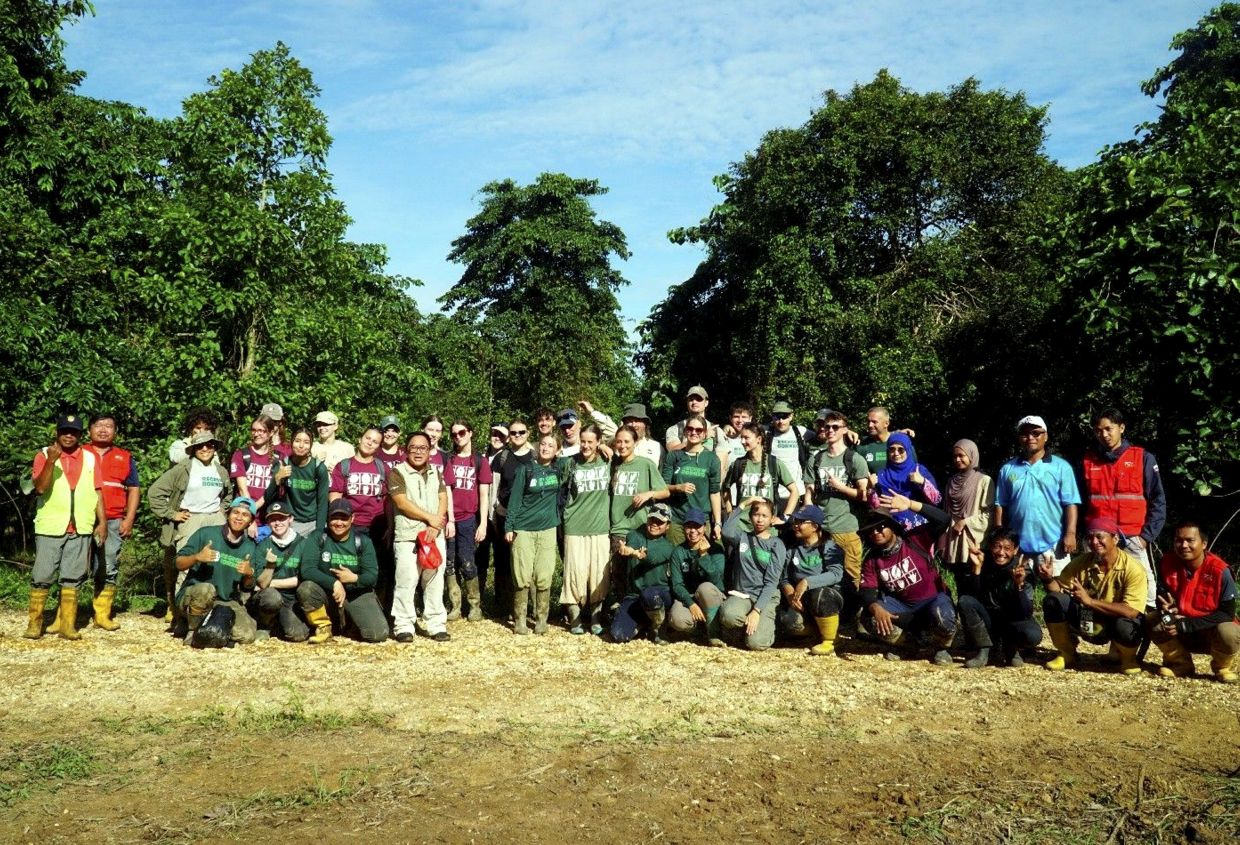
To give credit to those involved, she said central to the project’s success is its partnership with Koperasi Pelancongan Mukim Batu Puteh - Kopel, a local cooperative that leads much of the on-ground work.
From planting trees to maintaining sites, the community plays a key role in ensuring restoration is both effective and sustainable, she said, adding that others involved include local communities.
This collaboration also reflects a broader understanding that conservation cannot succeed without local involvement, said Maz, adding that by linking restoration with livelihoods and long-term stewardship, the project creates shared ownership of the landscape.
“While biodiversity recovery will take time, the foundations are being laid. Trees are growing, carbon is accumulating and degraded land is slowly returning to forest.
“In a landscape as dynamic as the Kinabatangan floodplain, where sites are frequently flooded, recovery can take even longer due to recurring tree mortality, requiring repeated replanting and ongoing maintenance,” she said.
But step by step, hectare by hectare, the forest is coming back, and with it, the potential for wildlife to return and thrive, said Maz.