
Tenant uses address to borrow money from loan sharks
KUALA LUMPUR: When a 52-year-old Indonesian woman approached her saying she was broke and needed a place to stay, Lim felt sorry for her.
Out of sympathy, the 29-year-old rented out her flat in Ampang to the Indonesian without signing any formal tenancy agreement in March last year.
Now, she is full of regret.
Lim said the tenant had used the flat address to secure loans and loan sharks are now harassing the houseowner.
“The loan sharks threatened to burn down the house and splash red paint on the property. I even received a video showing a house being set on fire,” she said.
Lim also alleged that the tenant had allowed loan sharks to enter the premises and record videos inside without her consent.
The tenant had claimed she was working as a restaurant waitress and only intended to stay for six months.
“She told me she was having financial problem and just want to rent for a short while. I rented the flat out for RM600 a month,” she told a press conference organised by the MCA Public Services and Complaints Department here yesterday.
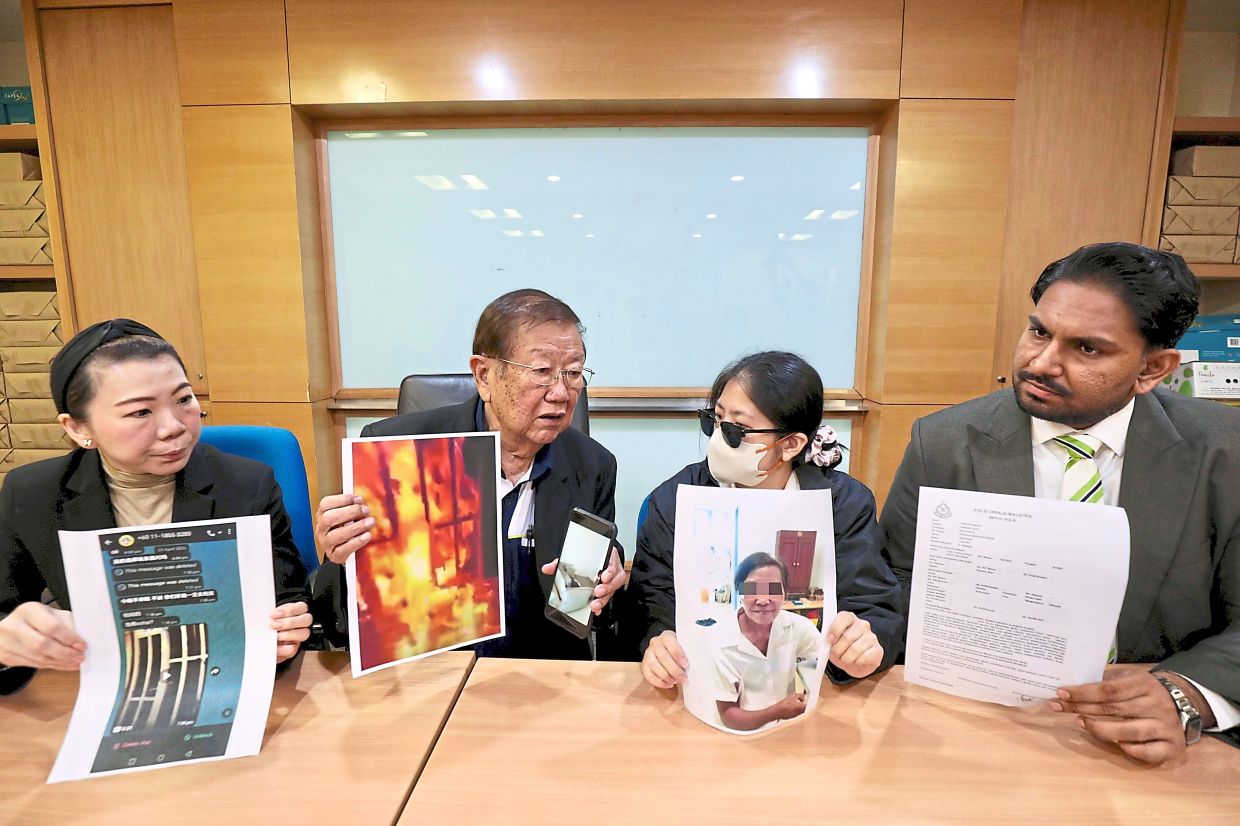
Trouble began when she received a call from a loan shark on April 20 this year, claiming that the tenant had borrowed money and failed to repay the debt.
The caller told Lim her contact details and house address had been listed as references for the loan.
Lim later discovered that the tenant had used utility bills linked to the property to apply for loans from illegal money lenders.
Fearing for her safety, she instructed the tenant to vacate the premises on April 21 after learning from neighbours that several unknown individuals had been seen visiting the house while the tenant was away.
To prevent damage to the property, Lim claimed she paid RM3,450 to the loan sharks.
However, the loan sharks continued to harass her.
A report was lodged at the Pandan Indah police station on April 29.
The department’s head Datuk Seri Michael Chong advised homeowners to be more cautious when renting out property, especially to foreign tenants.
Landlords, he said, should obtain complete information from tenants, including copies of identification documents and photographs, while ensuring a proper tenancy agreement is signed.
“For foreign tenants, landlords should also ensure they have valid travel and identification documents,” he said.
Chong added that proper documentation could protect landlords if tenants become involved in criminal activities or illegal loans.