
PETALING JAYA: Bank Negara has encouraged Malaysians to use fit banknotes during festive seasons as part of its ongoing Go Green campaign.
Fit banknotes refer to used currency notes that remain in good condition.
The central bank said fit banknotes have been sorted and verified by processing machines according to its quality guidelines and standards.
ALSO READ :New notes preferred, but old ones still retain their value
“These banknotes are clean, counterfeit-free and suitable for circulation, including for festive gifting,” Bank Negara said in a statement to The Star.
Bank Negara said it has observed that many new banknotes issued during festive periods are redeposited to banks unused.
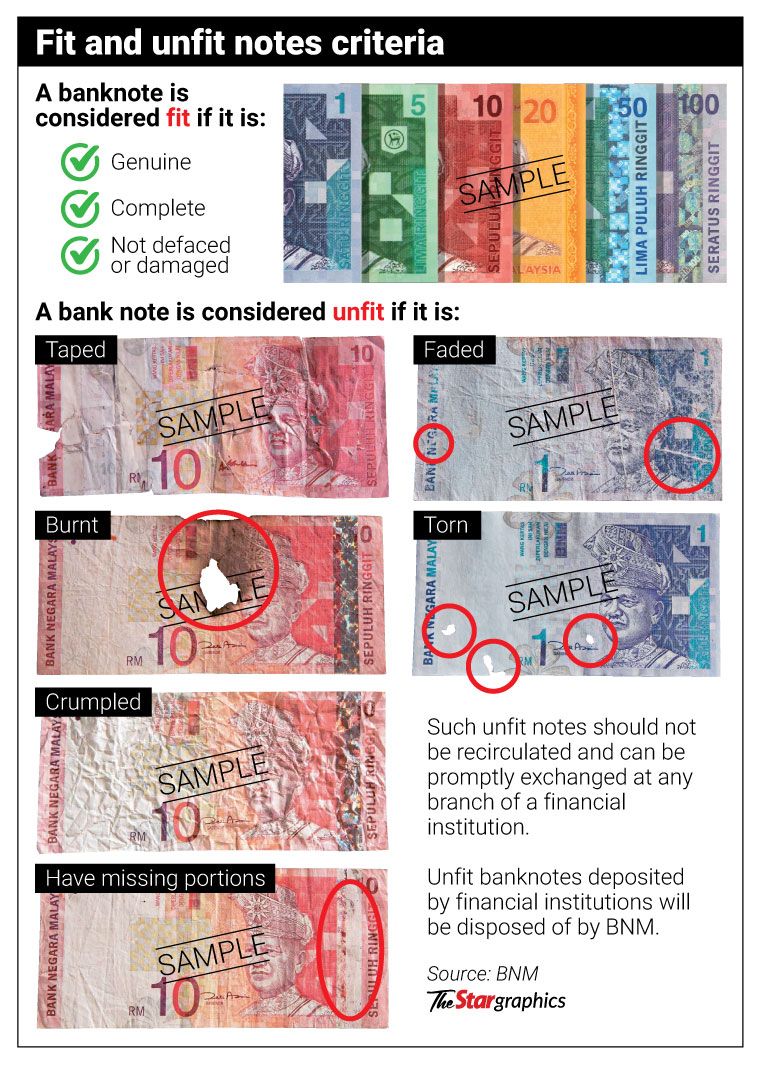
“This results in unnecessary resource consumption and additional carbon emissions related to the production and processing of these notes.”
Bank Negara also encouraged Malaysians to use digital platforms for festive gifting.
“We issue new banknotes when necessary to supplement our fit banknotes inventory during normal and festive periods.
“This practice is aligned with that of other economies, such as Singapore and Hong Kong, in support of the sustainability agenda and net-zero targets.”
The Go Green campaign, launched in 2013 in collaboration with the Association of Banks Malaysia (ABM), encourages the use of quality fit banknotes or digital alternatives.
“While traditional festive behaviours remain, the campaign has helped frame sustainability and convenience as important considerations alongside cultural practices,” said ABM when contacted.
“However, we do acknowledge that some customers may still prefer the traditional practice of giving physical ang pow with new banknotes.”
ABM said fit banknotes were still festive, respectful and convey the same blessings of good fortune to the recipient, while also saving the planet for future generations.
“Besides, digital ang pow are convenient and time saving, reminding the public that this method eliminates long queues, travel time and last-minute stress.”
Most importantly, the campaign can continue to respect personal choice, while nudging gradual adoption rather than attempting to eliminate traditional preferences outright, said ABM.