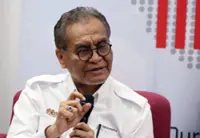
KUALA LUMPUR: The RakanKKM initiative is not designed as a replacement, but to add value to the public healthcare system, says Health Minister Datuk Seri Dr Dzulkefly Ahmad (pic).
“Through this initiative, those who can afford it have the option to access these additional services voluntarily, without any coercion.
“The existing comprehensive public healthcare services will continue, and there will be no compromise in providing the best public health services to Malaysians,” he said in a parliamentary written reply dated Dec 2.
Dzulkefly was responding to concerns raised by Ayer Hitam MP Datuk Seri Dr Wee Ka Siong that RakanKKM amounts to a privatisation of public hospitals.
The minister reiterated that the initiative is fully owned by the government through the Minister of Finance Inc, and involvement of government-linked investment companies will be considered in the future.
He said RakanKKM will be regulated by the Health Ministry.
“As such, the issue of privatisation does not arise. On the objectives and utilisation of additional revenue generated by RakanKKM, this is clearly intended for public interest,” he said.
Dzulkefly said RakanKKM is an improvement to two existing initiatives, namely the Full-Paying Patient (FPP) initiative and Flexi Hours, in terms of equity and sustainability.
The Health Ministry has also begun working on health reforms outlined in the White Paper, and this has also been coordinated with the Economy Ministry for the 13th Malaysia Plan.
Among the main reforms undertaken are health financing.
“The Health Ministry is taking a realistic and phased approach, tailored to Malaysia’s context and framework, with long-term strategic solutions through the initiative to establish a National Health Fund.
“In essence, the National Health Fund will function as the custodian and collector of funds from diversified sources, with government allocations as its backbone.
“It will drive the transition toward demand-based health financing, ensuring transparent and clear accountability for health outcomes,” he added.
He was responding to a question by Dr Wee on the latest status of the implementation of reforms outlined in the Health White Paper, and what assurance the government can provide that the RakanKKM initiative will not become an early step towards the privatisation of public health services or the creation of a two-tier system based on ability to pay.
RakanKKM, which is the government’s premium economy service, is expected to see its first patient by the end of the year.