PETALING JAYA: Private general practitioners (GPs) are willing to take on the load from government facilities for child health screenings and follow-ups as they are equipped with the necessary resources at the primary care level.
However, they stress the government must pay the bill for the patient and properly remunerate private doctors for their professional work.
Federation of Private Medical Practitioners’ Associations Malaysia president Dr Shanmuganathan Ganeson said GPs are ready to support efforts to reduce childhood malnutrition, stunting and obesity, provided the implementation framework is practical, collaborative and clinically sound.
“When private GPs are asked to perform clinical screenings and follow-ups on behalf of the ministry, this is professional medical work governed under the Private Healthcare Facilities and Services Act,” he said.
GPs, he said, should be properly remunerated, as required by law, just as any other contracted health service provider would be.
Dr Shanmuganathan also said the government must cover the cost instead of letting families pay out of pocket, arguing that shifting the burden would “defeat the purpose of improving access for low-income working parents”.
“These screenings are part of a public health responsibility. This is not a subsidy to doctors. It is simply proper remuneration for professional clinical work carried out on behalf of the government, as required under existing law,” he said, adding that if designed well, this can be an effective public-private partnership.
The Health Ministry is exploring outsourcing some child health screenings and follow-ups to private general practitioners.
On Monday, Deputy Health Minister Datuk Lukanisman Awang Sauni said allowing GP access could ease care for families living far from government facilities.
He said GPs would conduct screenings, advise medically and channel cases needing nutritional aid back to the ministry.
The proposal, Dr Shanmuganathan said, reflects an understanding that Malaysia’s primary care capacity must be expanded through meaningful public-private collaboration, especially to reach working parents and low-income families who face barriers accessing care during office hours.
However, he cautioned that the design must properly account for GP workflow and clinic operations.
“Too often, well-intentioned programmes come with over-detailed protocols or administrative checklists developed without sufficient frontline input,” he said.
Former president of the Medical Practitioners Coalition Association of Malaysia, Dr Raj Kumar Maharajah, affirmed that GPs have the resources to screen infants and children effectively.
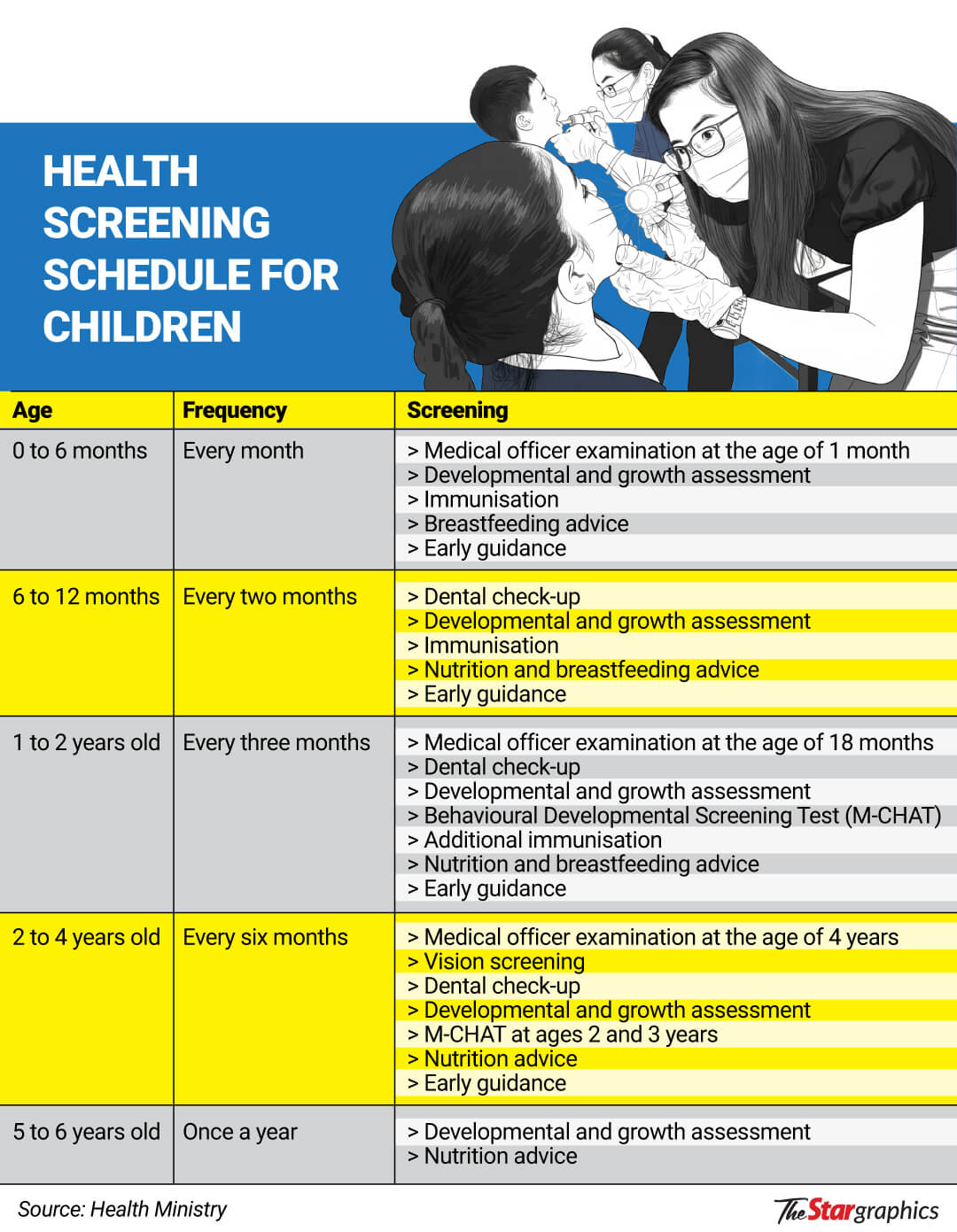
“We can check the weight, length of the baby, head circumference and Body Mass Index for the child.
“These are the four parameters that can be used to detect whether a child is malnourished or obese,” he said.
GPs also have the capability to screen for development issues like speech delay or autism, conduct vision, hearing and nutritional screening and provide counselling on diets, blood tests and vaccination tracking.
Dr Raj Kumar agreed that the government should pay or subsidise the cost for patients outsourced to GPs, noting that serious cases can be referred to hospitals while the majority are likely to fall under the normal category.
Malaysian Medical Association president Datuk Dr Thirunavukarasu Rajoo called the proposal to involve private GPs a “promising step” that can be highly effective, provided there are clear guidelines, proper training, efficient data reporting systems and “sustainable support” from the Health Ministry.
He commended the ministry for leveraging the extensive network of private GPs who are well-distributed nationwide and can offer greater accessibility and flexible appointment times for working parents.
“Because many families have long-standing relationships with their GPs, this trust can support more consistent follow-up.
“Integrating screening into routine GP visits also increases the potential for early detection,” Dr Thirunavukarasu said.
“The MMA looks forward to engaging with the ministry to ensure this programme is practical, sustainable and capable of delivering real improvements for the children and families who need it most.”