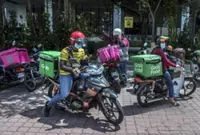
KUALA LUMPUR: A coalition of major trade unions and workers’ associations representing over 1.42 million members has backed the Gig Workers Bill 2025, calling it a historic milestone for Malaysia’s labour landscape.
Tabled in the Dewan Rakyat by the Human Resources Ministry on Tuesday (August 26), the Bill officially recognises over 1.2 million gig workers for the first time, providing them with legal protection and access to fairer working conditions.
The coalition said the legislation will usher in a new era for Malaysia’s workforce by ensuring rights, welfare, and social security for gig workers who have long been left in a grey area of employment law.
Key provisions welcomed by the groups include a formal definition of gig workers to eliminate ambiguity of status, mechanisms to guarantee fair pay and income security, the creation of a tribunal for dispute resolution, and mandatory social protection to strengthen the safety net for workers and their families.
In a joint statement, the signatories commended the ministry's inclusive approach, citing more than 37 engagement sessions with stakeholders, including gig workers, platform providers, trade unions, government agencies, and state governments.
“With the passing of this Bill, Malaysia will join the ranks of the first 15 countries in the world to clearly define gig workers in law,” the coalition said.
“This not only enhances protections for local workers but also positions Malaysia as a progressive nation on the global stage.”
The groups urged all MPs, regardless of political affiliation, to unite in supporting the Bill, stressing that it represents the voice and future of gig workers nationwide.
Signatories include Gabungan e-Hailing Malaysia, the Malaysian Trades Union Congress (MTUC), the United Network of International Malaysian Labour Congress (UNIMLC), the Congress of Unions of Employees in the Public and Civil Services (CUEPACS), the Professional Film Workers Association of Malaysia (PROFIMA), and the Malaysian Sign Language Interpreters & Translators National Organisation.
Together, these organisations represent a total of 487 unions, associations, and NGOs across the country.