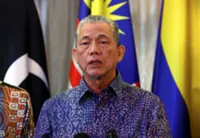
KUALA LUMPUR: The government aims to reduce non-revenue water (NRW) to 31% by 2025, a significant decrease from the current 37.1%, which equates to a daily loss of 7,195 million litres of treated water worth over RM2bil annually, according to Deputy Prime Minister Datuk Seri Fadillah Yusof.
Fadillah, who is also the Energy Transition and Water Transformation Ministry, said that key initiatives under the NRW programme to address this ongoing issue include the replacement of ageing pipes and the introduction of improved reimbursement frameworks.
"Under the Pipe Replacement Programme, 1,844km of ageing and critical pipes across Malaysia will be replaced," Fadillah said in his opening speech at the Water Loss Asia 2024 conference here today.
He added that a Proportional Reimbursement Rate will be introduced to encourage active participation of water operators in Selangor, Johor, Negri Sembilan, Melaka, Terengganu, Perak, Penang, and Kedah.
Fadillah also highlighted that the government intends to implement comprehensive NRW reduction solutions in Pahang, Kelantan, Perlis, Sabah, Sarawak and Labuan.
The Deputy Prime Minister underscored the importance of using resources more efficiently, minimising waste and maximising the value of every drop of water. The government aims to achieve 98% coverage of clean water and sewerage services in rural areas by the end of next year.
"This initiative aligns with the Malaysia Madani vision of improving the well-being of the people while supporting the sixth goal of the United Nations Sustainable Development Goals (SDG 6), which focuses on ensuring access to sustainable water management and sanitation for all," he said.
As of 2023, access to water supply in urban and rural areas stands at 97.1%, while connected sewerage services cover 86.9% of major cities.
Fadillah also noted the need for stronger partnerships among government agencies, private sector stakeholders, civil society organisations, and academic institutions to drive collective action and mobilise resources for effective water management.
"By leveraging on the collective expertise, creativity and resources of diverse stakeholders, Malaysia can make significant strides in reducing the loss of clean, treated water during distribution from water treatment plants to consumers," added Fadillah. – Bernama