
THE diversity of local food is one of Malaysia’s strengths, reflecting not only the country’s rich cultural heritage but also providing a space for people of different races to come together.

He says the spirit of unity at food establishments was evident when Malay, Chinese, Indian and Sikh customers could sit together and help one another while enjoying their meals.
“If there aren’t enough tables, for example, when a Chinese family arrives, I see Malay and Indian families willing to make space for them. The spirit of unity is indeed strong, and it immediately drowns out the racial issues that are often played up,” says Kesavan, who runs his business around Bukit Jalil, Kuala Lumpur.
He adds that this showed the spirit of togetherness remained strong in society, with food serving as a meeting point that brings different groups together.
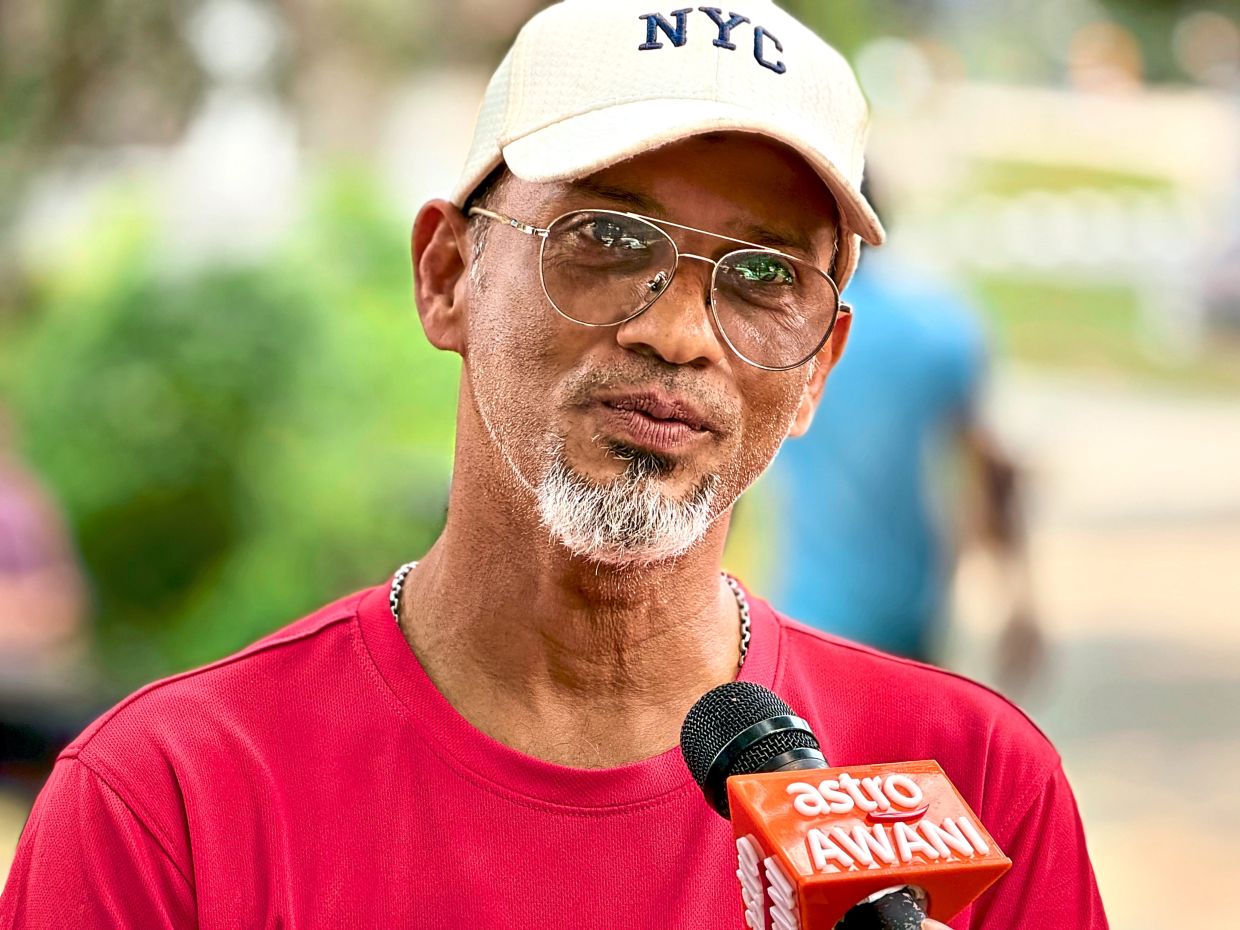
“Local food such as rojak, cendol and mee rebus has its own special appeal and continues to be popular among Malaysians, even as more international food options enter the market,” he says.
Meanwhile, construction contractor Sean Yap, 46, says eateries such as mamak restaurants provide an important space for people from different backgrounds to mingle and get to know one another. He says nasi kandar remains a favourite because it suits the Malaysian palate, while the lively atmosphere at mamak restaurants allow customers of different races to sit together and interact.
“Mamak restaurants are really suitable for chatting, having conversations and making friends with people from other races, such as Malays, Indians and others,” he says.
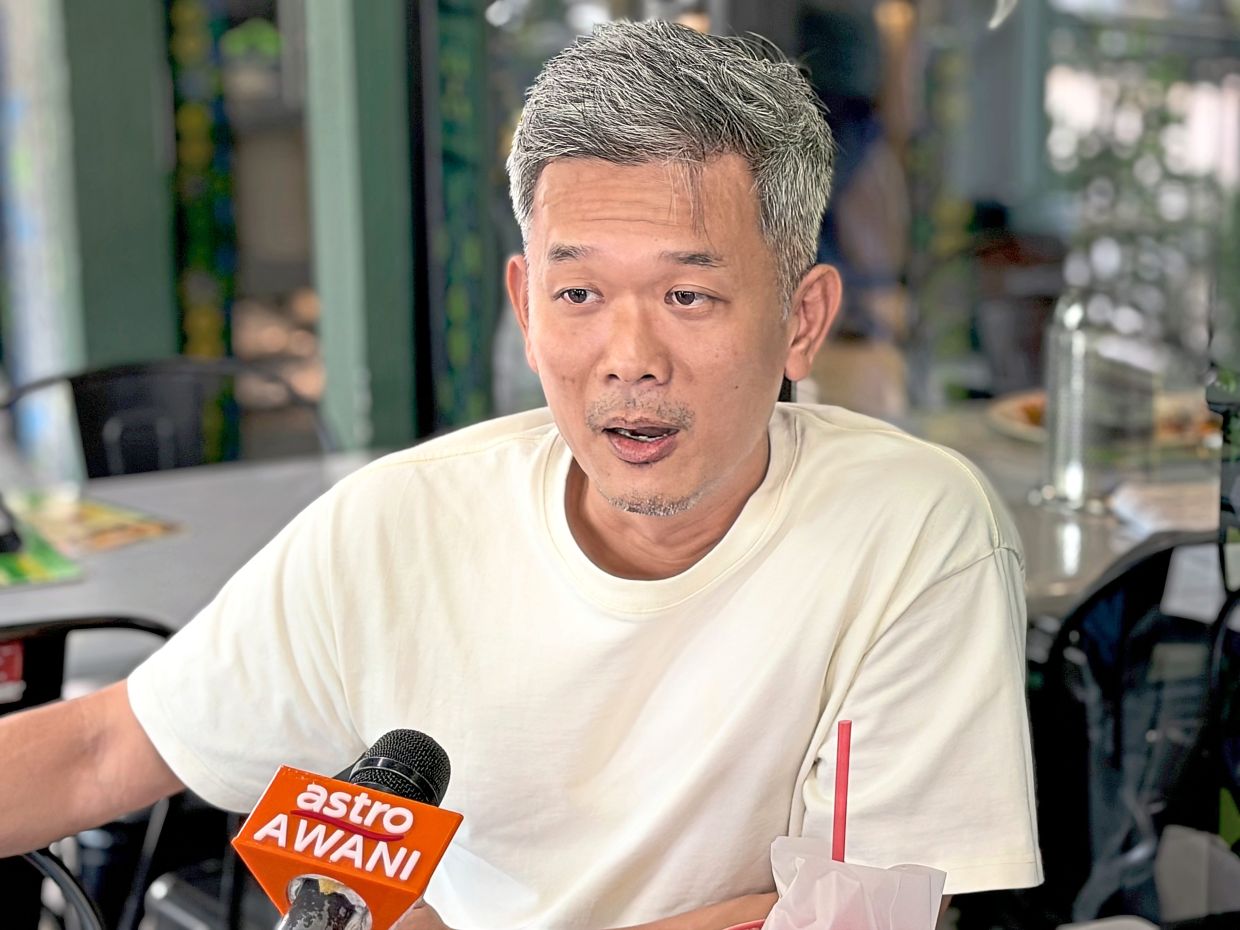
According to Yap, his experience in the business world had also shown that Malaysia’s multiracial population is an advantage, as good relations among different communities could create more opportunities for cooperation.
“During festive seasons, regardless of whose celebration it is, my business orders will definitely increase. That helps to balance the business, rather than having only the beginning of the year being busy and then becoming quiet towards the end of the year. It is good when our business involves people from different races,” he says. — Astro Awani/Media In Arms