
THE traditional culinary skills of the older generation continue to play an important role in rural communities, particularly for feasts, celebrations and weddings.

Roslin Saharan, 53, from Kampung Geduhom, Kuala Pilah, is among those who actively lead food preparations for various events in the village.
Roslin has been involved in “rewang” – the tradition of community members coming together to prepare food for an event – since young.
“My late father can be said to be the rewang head of the village. So I enjoyed following him because I was interested in cooking.
“That was how I gradually learnt to prepare ingredients and cook certain recipes,” says Roslin, who works for the Public Works Department.
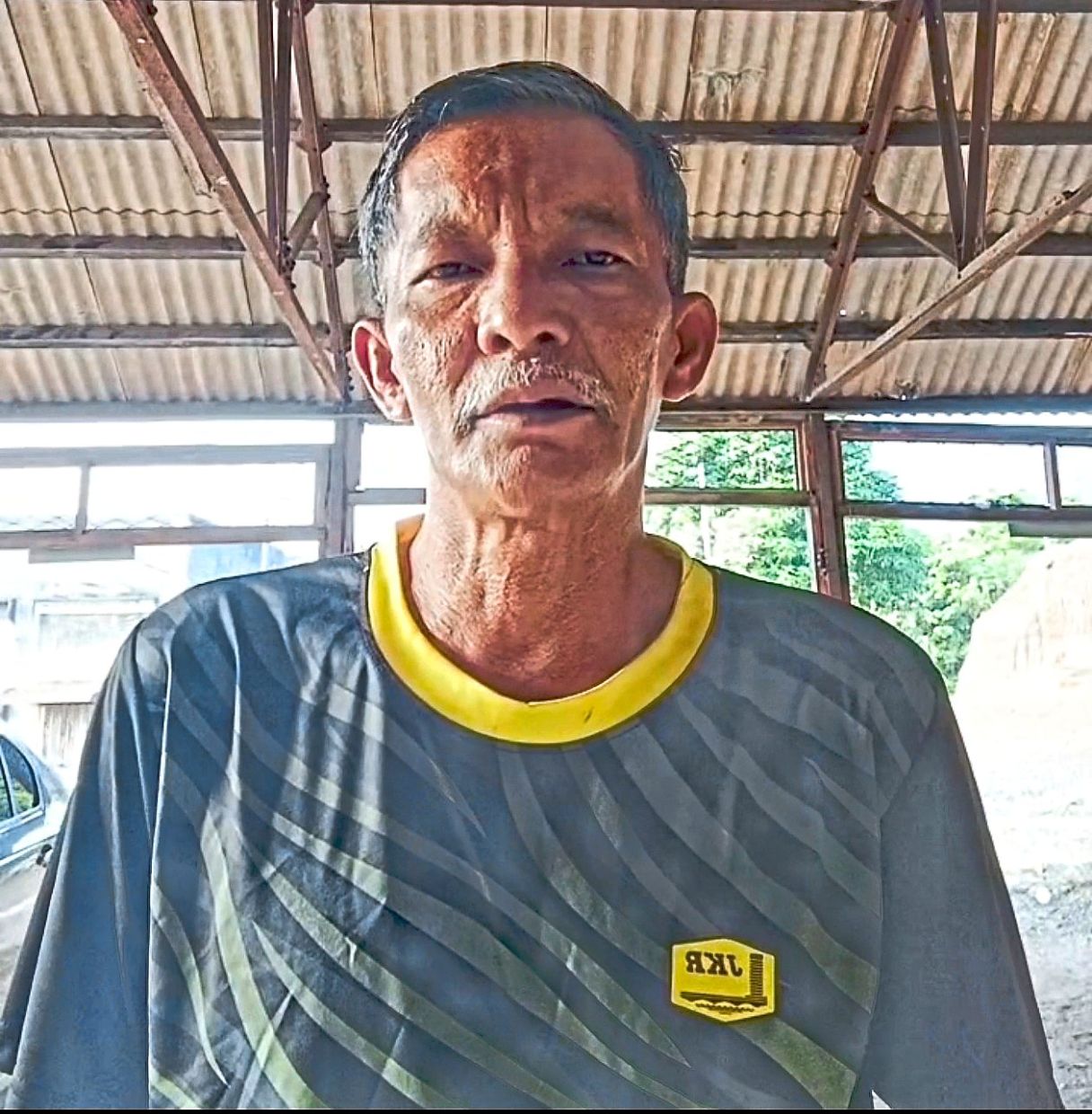
Roslin acknowledges that cooking in large quantities was no easy task, but decades of experience helps with estimating the amount of ingredients required according to the number of guests.
One of the most frequently requested dishes is mutton curry served with nasi minyak.
“For example, if we are cooking for 300 people, I can already estimate how much of each ingredient we will need, although we usually prepare extra.
“Being the head of the rewang team does not mean I cook everything myself, but I will divide the tasks and give instructions on how the dishes should be prepared to make sure the food turns out well,” says Roslin.
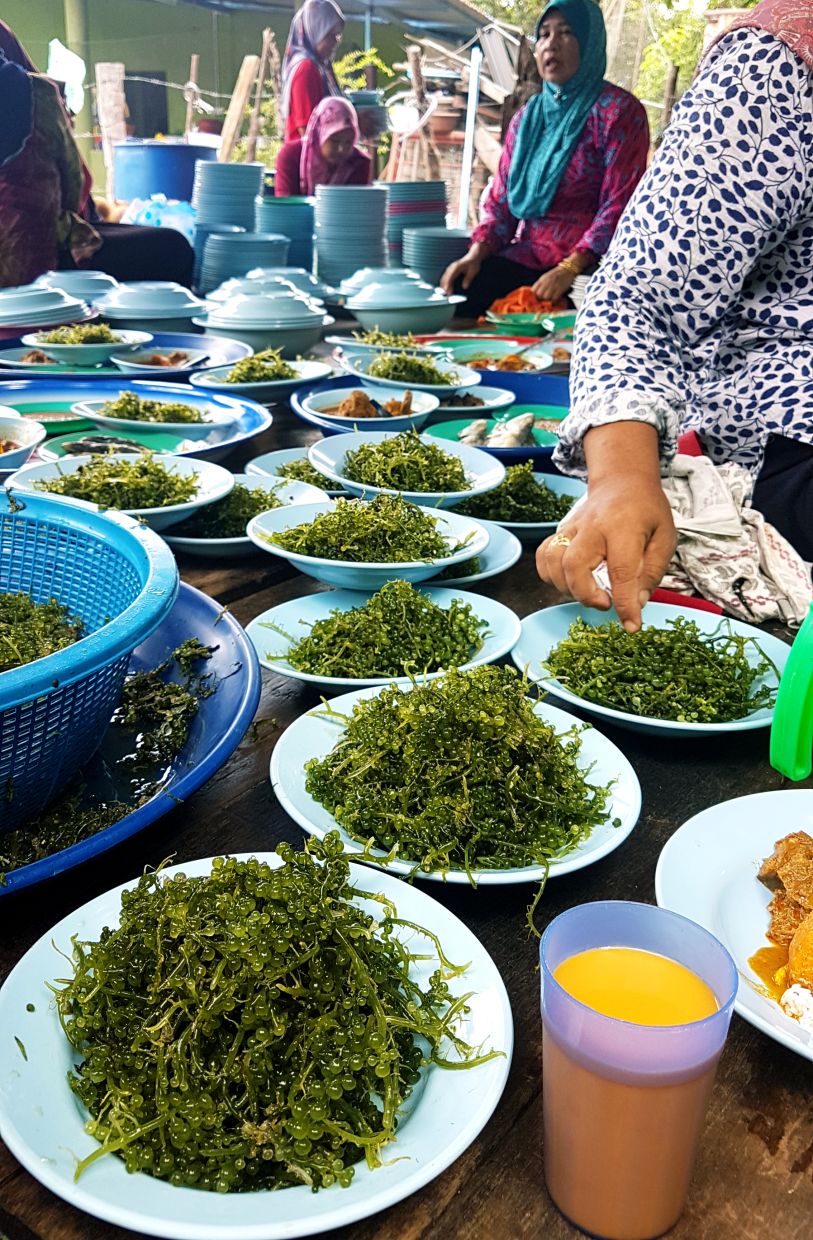
Meanwhile, Hashim Hasan, 69, who also has experience leading rewang in his village in Kuala Pilah, says he began cooking for wedding feasts in the 1980s, learning from those who were older and more experienced.
Early preparation is crucial, he says, especially when catering for large numbers of guests.
“Before an event, I usually discuss the menu and the ingredients needed with the host.
“For programmes organised by the village, I will discuss these matters with my friends.
“Wedding feasts back in the old days were fun because everyone would cook together. But now, rewang is less common as many prefer to use catering services,” he says.
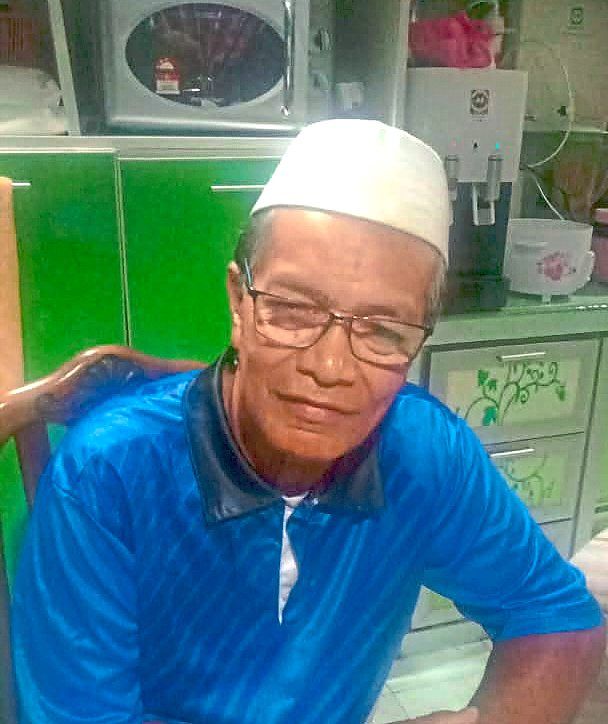
Hashim says cooking for hundreds of people was no simple task because ingredients had to be prepared in sufficient quantities.
“All of that is based on experience. What’s important is that we cook with sincerity.
“When we cook sincerely, insya-Allah, the food will taste good and will not spoil easily,” he says.
Aslam Nawabdin, 60, from Kampung Dusun Nyior says the budget and number of guests were important factors in determining the menu.
Although the menu is ultimately set by the host, he says he would sometimes offer suggestions depending on the type of event.
“I will usually list out the items that need to be bought and ask the host whether they want to purchase the items themselves or have me do it for them.
“But the concept of rewang is rare now, especially in the cities and its outskirts. It’s still practised in villages,” he adds.
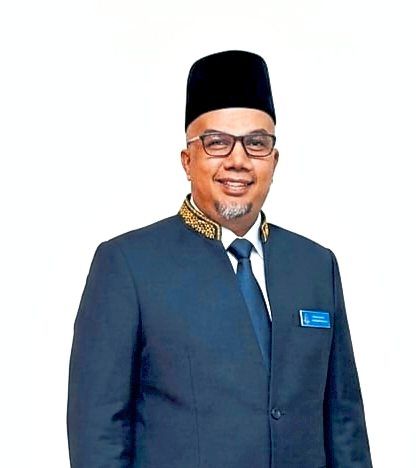
Over the course of his years in cooking, Aslam has cooked for as many as 12,000 people for a national-level government programme about 10 years ago.
“Cooking in such large quantities is not easy and our biggest worry is that the food might suddenly spoil.
“One of the challenges is ensuring the raw ingredients are properly handled, especially chicken because it is particularly sensitive. That is why the role of the rewang leader is so important,” he says. — Sinar Harian/MIA