
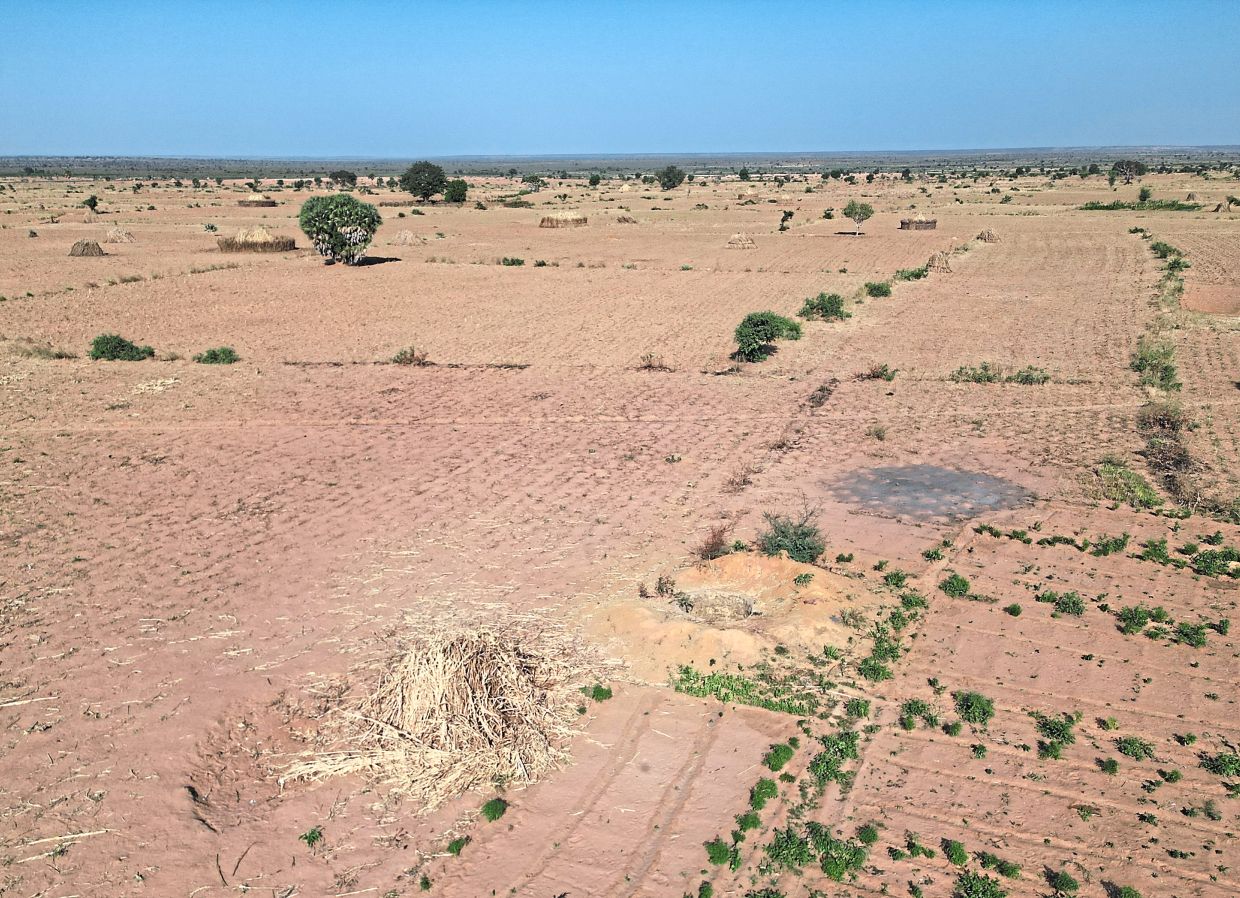
THE three herders stood at the edge of a crescent-shaped crater in a cornfield in Jabo, northwest Nigeria, peering down at the scorched earth.
Curiosity had drawn them 270km from Zamfara state to see the aftermath of a Christmas-night missile strike.
Parts of a Tomahawk missile had struck the field before bouncing about 10m away and exploding – one of several ordered by US President Donald Trump to target militants he described as committing “genocide” in Nigeria.
Sokoto state, like much of northwest Nigeria, has long been troubled by violence. Bandits steal cattle and carry out kidnappings. A group called the Lakurawa, believed by some analysts to have ties to IS affiliates, terrorises residents.
Over one weekend, dozens were killed and several abducted in attacks on neighbouring villages in Niger state.
Yet Jabo, a town of tin-roofed homes amid baobab and acacia trees, has served as a haven for people fleeing violence elsewhere, residents said.
Nigerian officials insist debris from the US strikes fell in Jabo by accident. But in rural communities, where word travels slowly, that message has not settled.
Residents described a ball of fire streaking across the sky.
A cylinder from a Tomahawk landed intact in a field. Another chunk ignited a stack of cornstalks used for cooking and cattle feed, leaving a circular charred stain.
“I pray to God this doesn’t happen again,” said Mohammed Abubakar, one of the herders who had travelled to Jabo. “There’s nothing here,” he added.
Since the strikes, families have combed their fields, unsure if any militants were killed. Most say they have seen no bodies, hearing only explosions and the crackle of burning crops.
Trump has said the targets were IS militants accused of killing Christians. Nigeria’s information minister, Mohammed Idris, said two major IS enclaves were hit, and the US military confirmed strikes in the Tangaza forest, noting assessments were ongoing.
Residents, however, said some missiles fell on farmland, damaging only a few unoccupied buildings.
One missile detonated in an abandoned encampment previously used by Lakurawa members, who had fled after spotting what they assumed were surveillance flights, according to two locals.
Amid the fear and uncertainty, a troubling narrative has taken hold in Sokoto: that Trump is targeting Muslims.
“Some of us think this is part of his agenda to protect Christians,” said Abubakar Mohammed Jabo, whose home is near the crater.
White House officials did not respond to questions about alleged targetting.
Local history adds context: Sokoto was once the centre of the Sokoto Caliphate, one of precolonial Africa’s most significant empires.
Today, tourists visit the Sultan’s Palace and the grave of caliphate founder Usman dan Fodio, while radio stations and bread brands carry the Sokoto name.
Two US officials, speaking anonymously, said the strikes were a one-time event, designed to let Trump claim he was avenging Christian deaths.
The destroyer that launched the missiles has left the Gulf of Guinea, but officials said intelligence-sharing could lead to further action by Nigerian forces.
Residents emphasised that violence terrorises Christians and Muslims alike.
Abdullahi Bako, a farmer and herder from Tangaza, said Lakurawa imposed order after arriving a year ago, clamping down on thieves and enforcing strict social rules: banning cigarettes, music and gender mixing, and even punishing barbers for shaving beards.
Bako paid the group three million naira for damage done by his cows, he said, but the money was kept by Lakurawa.
Fearing their return, he moved his herd closer to a nearby town.
“If they come back,” he said, “they’re going to be deadlier.”
On the night of the strikes, Hassan Umar Jabo traced a ball of fire across the sky.
People rushed to the fields, trampling peppers, cassava and onions planted for harvest. Boys collected missile fragments.
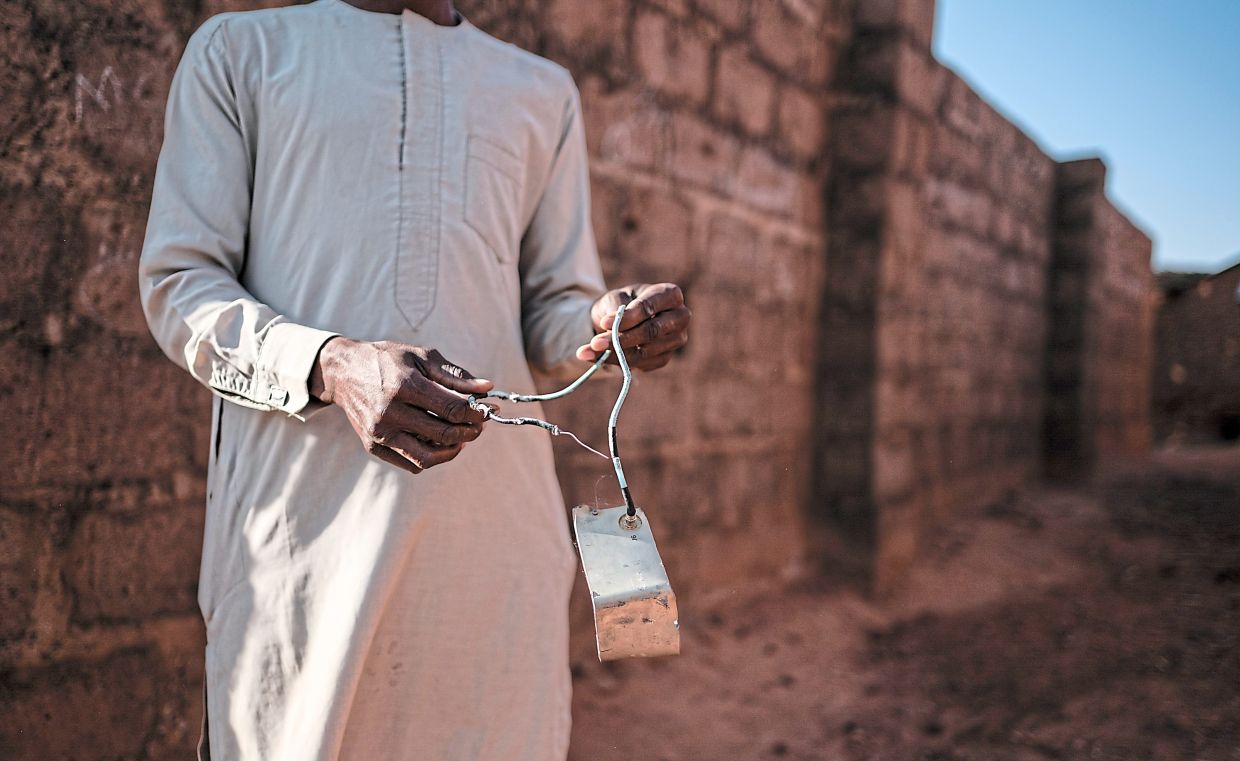
Nigerian soldiers arrived, demanding residents hand over debris, though some kept pieces, including a silver fragment bolted to a blue wire – a part of a missile that had narrowly missed the town.
For now, the scars remain: craters in fields, blackened cornstalks and questions about who or what was really targeted in the sky above Jabo. — ©2026 The New York Times Company
This article originally appeared in The New York Times