
MALAYSIA’S labour market is facing a two-tiered disruption. The country is ageing rapidly, with more than 15% of the population set to be aged 65 and above by 2050. At the same time, birth rates are falling. In 2024, the fertility rate stood at 1.6 children per woman, well below the 2.1 replacement level. Together, these trends pose long-term challenges to economic sustainability.

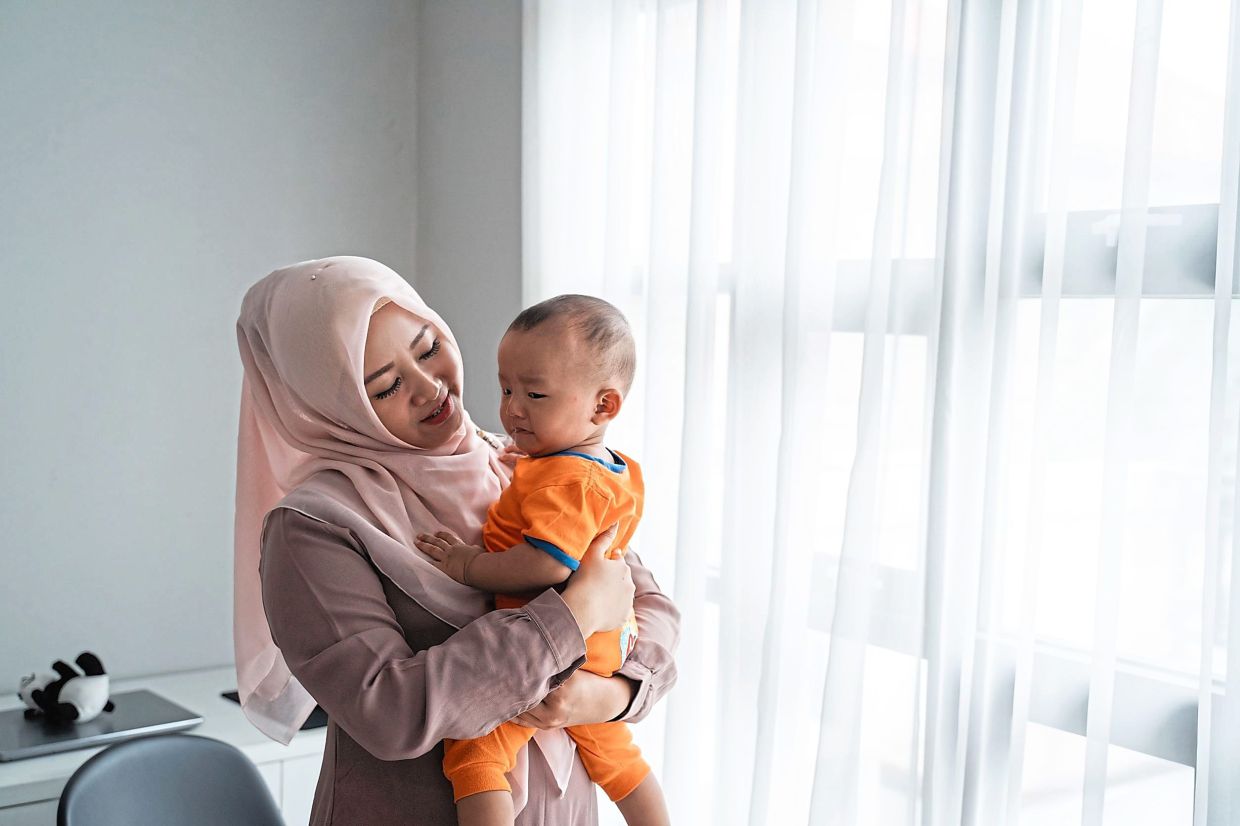
The challenge, however, lies in retention. Many Malaysian women continue to exit the workforce mid-career as they shoulder a disproportionate share of unpaid care work. Caregiving demands, limited childcare options, household responsibilities and rigid work structures often make continued employment difficult.
Thirty-nine-year-old former preschool administrator and teacher Hayati Ibrahim understands this firsthand. She left the formal workforce five years ago.
“I really enjoyed working,” she tells Sunday Star. “But women face certain phases when they feel pressured to step back.”
Her first turning point came when her eldest son was a toddler. Frequent illnesses from daycare meant she was close to exhausting her medical leave. At the time, she and her husband were able to alternate their leave days to cope.
The bigger decision came later, when her son was preparing to enter primary school and was experiencing speech delays.
“I felt the syllabus was too advanced for him. Children in Standard One are expected not just to read, but to understand implied meaning. I was worried he wouldn’t be able to cope,” she says. “I knew my child needed help.”
Drawing on her early childhood education training, Hayati chose to stay home and provide daily one-on-one lessons. Over time, the mother of three saw significant improvement in her children’s learning.
Before resigning, she and her husband, an engineer, discussed finances carefully. In addition to covering bills and household expenses, he provides her with a monthly allowance, and contributes to her retirement savings through the Employees Provident Fund (EPF)’s i-Sayang scheme.
“We live frugally and manage closely, so financially we are OK. But families already under strain would struggle if one partner stops working,” she says.
Hayati hopes to return to her career once her children are older, although she worries about whether her skills will remain relevant in a fast-growing field.
“Being a homemaker is work too,” she says. “I manage the household budget, coordinate everyone’s schedules, cook, clean, and continue teaching my children. But flexibility would make it easier for mothers to return.”
Her experience reflects a broader systemic issue. While women’s participation is increasingly framed as an economic necessity, the systems that would allow them to sustain careers remain uneven.
Removing structural barriers and building a more supportive ecosystem is therefore essential for women to remain in, or re-enter, the formal workforce.
Women as economic drivers
Facilitating women’s return to the labour force is crucial for boosting economic growth, the Women’s Development Department (JPW) notes.
“Women already represent a significant part of Malaysia’s human capital. Women’s tertiary enrolment now exceeds that of men,” JPW points out in an e-mail interview with Sunday Star, adding that lower FLFP reflects underutilised talent.
Citing the World Bank’s 2023-2024 labour market analysis, JPW says increasing women’s participation and narrowing the gender gap could contribute meaningfully to GDP growth by unlocking productivity and income gains. Expanding women’s workforce participation is not only a matter of inclusion but also a strategic imperative for national growth, resilience, and shared prosperity, it adds.
“Beyond macroeconomic gains, higher participation among women in the workforce also strengthens household incomes, financial resilience and long-term savings potential, and it reduces poverty vulnerability, and reinforces Malaysia’s commitment to gender equality.”
Structural barriers
Nevertheless, structural challenges remain. JPW notes that female participation peaks at ages 25 to 29 before gradually declining, coinciding with marriage and childbearing years. This mid-career drop-off undermines Malaysia’s ability to retain skilled female talent during the most crucial years.
Data from the Department of Statistics Malaysia show that 4.86 million women were outside the labour force in 2024. Most cited housework and family responsibilities as the primary reason to remain out of the formal workforce. Meanwhile, Khazanah Research Institute’s 2018 Time Use Study found that women spent 63.6% more time on unpaid care work than men, despite spending comparable time in paid work.
Acknowledging that participation cannot rise without systemic change, the government is introducing several policy interventions. The National Women’s Policy and Women’s Develop-ment Action Plan 2025-2030 outlines strategies to expand access to economic opportunities and ensure inclusive talent development nationwide.
The Women, Family and Community Development Ministry (KPWKM) has appointed Gender Focal Points and Gender Focal Teams across ministries to integrate gender perspectives into policymaking, alongside introducing childcare tax relief.
These efforts are complemented by targeted programmes for women such as the Kirana Income Generation Skills Programme and Mekar Programme, which support entrepreneurship and economic empowerment, as well as Laman Wanita and Gig@Bit, which strengthen digital skills and financial literacy.
Creating a supportive ecosystem
Beyond policy design, labour market trends also highlight persistent workplace-level barriers.
Talent Corporation Malaysia Berhad (TalentCorp)’s data also finds that family and caregiving responsibilities, particularly childcare and eldercare, remain the main drivers of mid-career attrition.
Group CEO Edward Ling explains how limited career progression opportunities contribute to disengagement, as some women experience slower advancement or fewer leadership pathways after maternity or career breaks.
He also highlights risks posed by digitalisation and artificial intelligence, noting that women are more than twice as likely to hold jobs vulnerable to automation, widening skills gaps upon re-entry. And even when women return with strong intent and capability, they often face bias, ageism, or résumé-gap discrimination without being given a fair opportunity to demonstrate their value.
Ling emphasises that building an inclusive return-to-work ecosystem must therefore be a shared responsibility.
“Women will continue strengthening their readiness, but employers must remove bias from hiring practices, review policies through an inclusion lens, and expand flexible, family- friendly arrangements. At the same time, meaningful support at home – including shared caregiving responsibilities – is critical to enabling women to return and thrive sustainably in the workforce,” he says.
To further facilitate women re-entering employment, TalentCorp runs programmes providing career support, mentorship, upskilling and training, job placements, employability interventions and pathways for reentry.
These include the Wanita MyWira programme, the Career Comeback Programme, targeted incentives such as the Career Comeback Tax Exemption, and a corporate action lab.
Women-friendly businesses
Workplaces must also adapt.
“Businesses introducing flexible work arrangements can enjoy a 50% tax deduction, up to RM500,000, for related costs such as training or software. Added support is available for companies offering paid care leave for employees caring for children or ill family members. These measures are designed to foster a family-friendly, inclusive culture that reflects the needs of today’s workforce,” says Ling.
Ling stresses that meaningful participation goes beyond headline targets. It is about women entering, staying, and advancing in their careers with dignity and quality. True participation means accommodating life stages such as caregiving, enabling women to remain employed, allowing re-entry after breaks, and building long-term career pathways, he says.
It also means ensuring women are placed in roles aligned with their skills and qualifications, particularly in growth and high-value sectors, rather than being underemployed simply to remain in the workforce.