
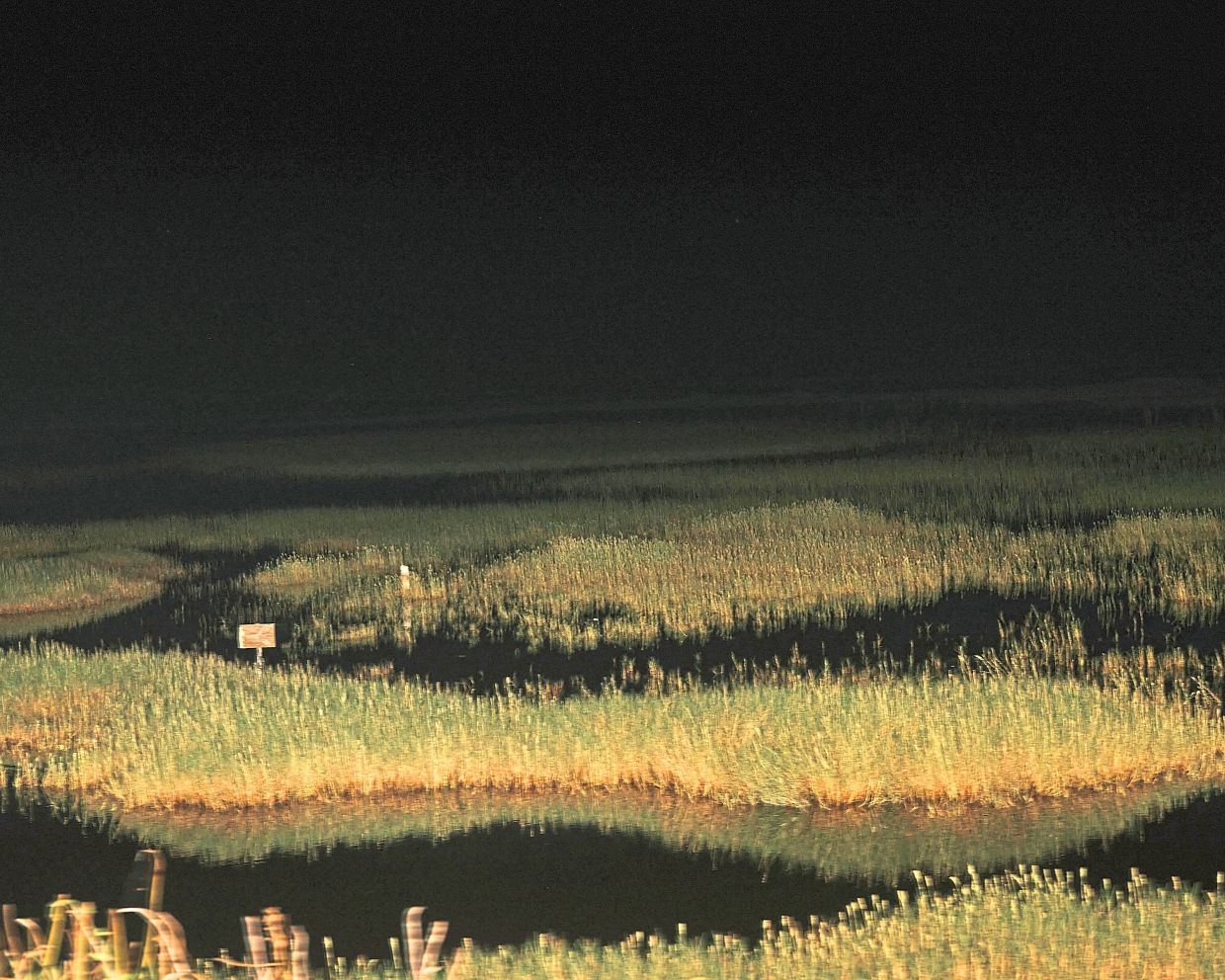
AN unexpected chill can fall over the Florida Everglades late at night. Stars speckle the sky. Frogs croak and croak, their mating calls echoing in the air.
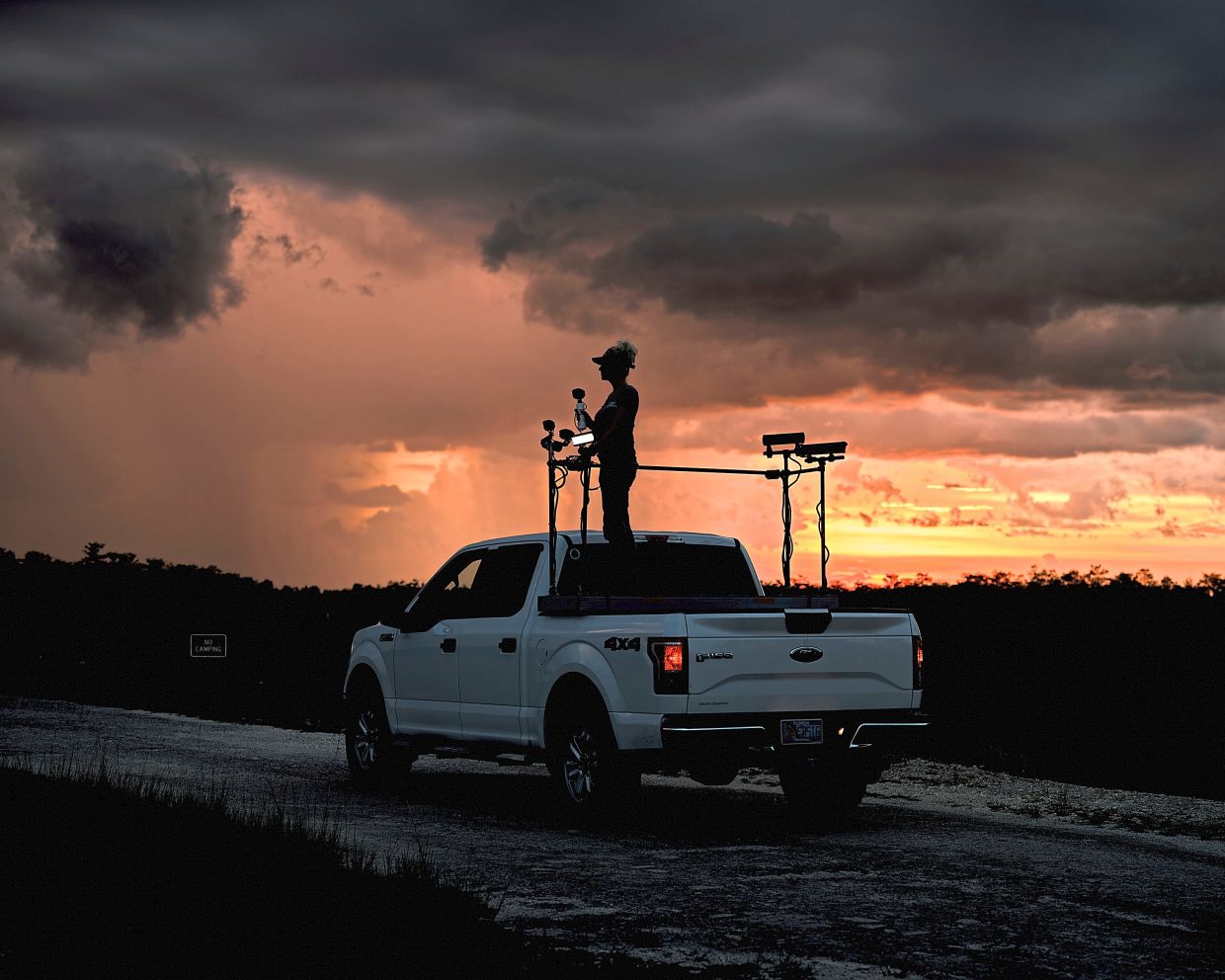
It is all peace and wonder until you remember why you are out at this hour, on the flatbed of a pickup truck outfitted with spotlights, trying to find invasive creatures lurking in the shadows.
A python hunt might evoke images of hunters trudging through swamps and wresting reptiles out of the mud.
In reality, it involves cruising the lonely roads that traverse the Everglades in SUVs, hoping for a glimpse of a giant snake. It is strange work, straining on the eyes, brutal on the sleep schedule.
Python hunters love it.
“The thrill of it is amazing,” Amy Siewe said from her Ford F-150.
“I absolutely hate that we have to kill them.”
Over the past decade, Florida has organised six state-sponsored competitions to raise awareness and reward hunters who catch and humanely kill the most Burmese pythons, the scourge of the Everglades.
Firearms are not allowed; air guns and captive bolt pistols are.
The annual contests, held over 10 days in August, have the feel of a reality TV show, with hundreds of people looking for their five minutes of fame and jockeying for the best spots to find the snakes.
This year’s Python Challenge drew 1,035 hunters and netted 209 pythons.
The winner caught 20 snakes and received US$10,000; Siewe won a prize for catching a python that measured 3.3m.
State agencies pay about 100 contractors to keep hunting throughout the year, giving them access to levees that are closer to the human-made canals running through the Everglades – closer to the snakes.
Since 2000, more than 19,000 pythons have been removed from the Florida outdoors, a little more than two-thirds of those by contracted “python removal agents”, according to the Florida Fish and Wildlife Conservation Commission.
The programme, which began in 2017, is not especially lucrative, paying up to US$18 an hour, plus US$50 per foot for the first 4ft of snake and US$25 for each subsequent foot. Remove a python nest? US$200.
“It was designed to say, ‘Hey, after work, go look for pythons and we’ll pay for your gas money,’” Siewe said.
So hard-driving hunters like Siewe, 46, who until 2019 sold real estate in Indiana, have struck out on their own, becoming full-time guides who teach newbies how to find and euthanise Burmese pythons.
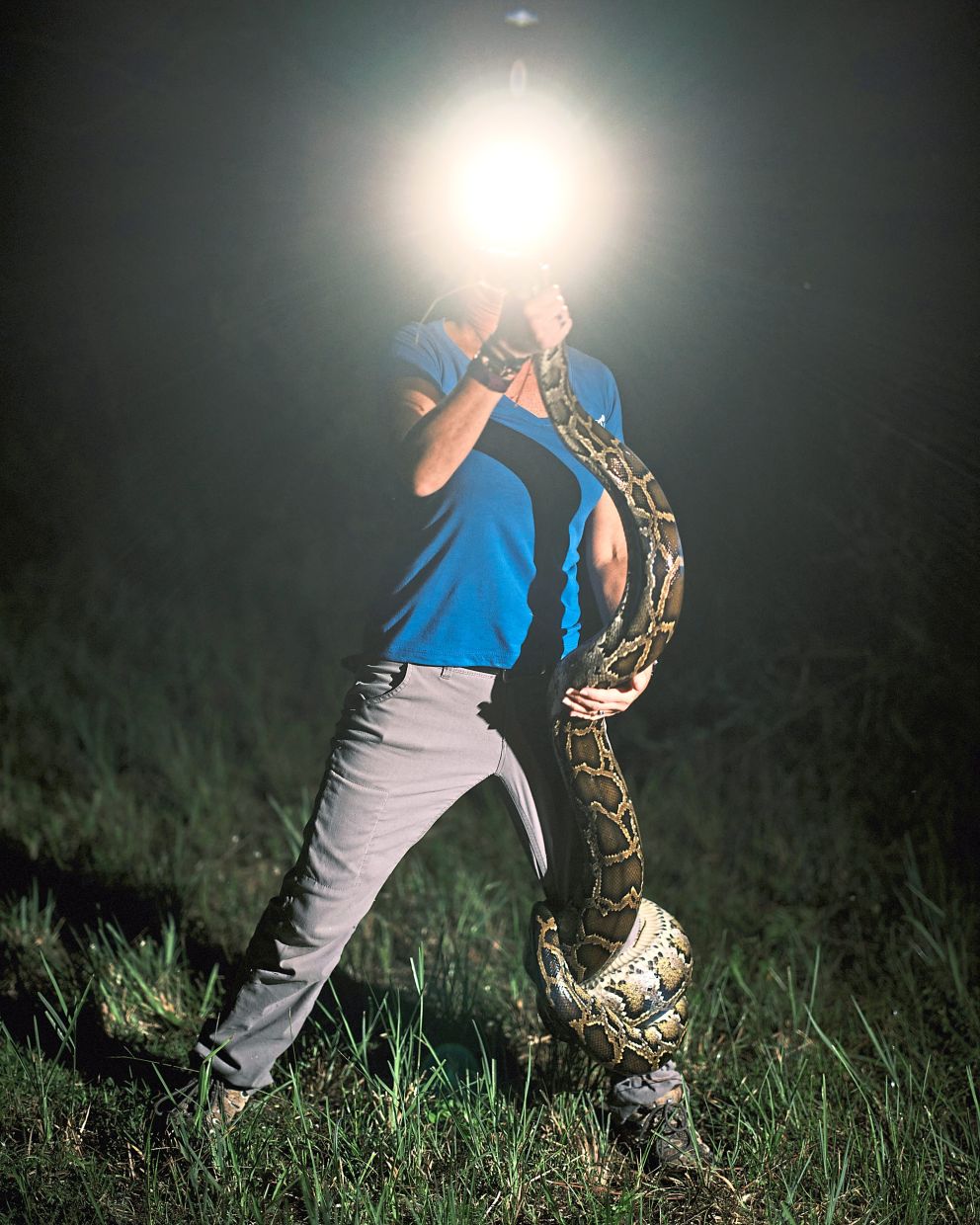
They have created a cottage industry around an invasive species that has been so successful at adapting to Florida that it appears here to stay, despite years of efforts to eliminate it.
“I have people who have gone on African safaris. Conservationists. Locals want to learn how to do it,” said Siewe, who lives outside Naples, on the edge of the Everglades.
“I had a family that went hunting with me instead of going to Disney World.”
Florida is teeming with non-native monkeys, iguanas and tegu lizards.
But Burmese pythons may be the most infamous invaders of all. While the federal and state governments have spent billions of dollars to restore the Everglades, pythons have decimated native birds, rabbits and deer since they were documented as an established population in 2000.
They were imported from South Asia as exotic pets, the theory goes, many of which were let loose when they grew too big. They have made their way north, the US Geological Survey found in a study this year, reaching West Palm Beach and Fort Myers and threatening more of the ecosystem.
Scientists do not know how many pythons live in the wild in Florida, how old they get, how often they reproduce or how quickly they travel. They are radio-tracking some of them and hope to keep tabs on more using drones.
Someday, novel genetic techniques might help suppress the population. But for now, there is little else to try but hunting.
“It takes an average of 12 hours to catch one python,” Siewe said. But, she added,
“Every single one that we’re taking out is saving the lives of hundreds of our native animals.”
Siewe, who calls herself the python huntress, started her guide business in January.
In winter, she and her fiance, Dave Roberts, take clients out on a boat, hunting pythons in the Ten Thousand Islands, off the southwest Florida coast.
She keeps python carcasses in a big “dead people freezer” in her garage – “That was my Christmas gift from Dave one year,” she said – and skins them in the lanai of her condo. (Her neighbours know.)
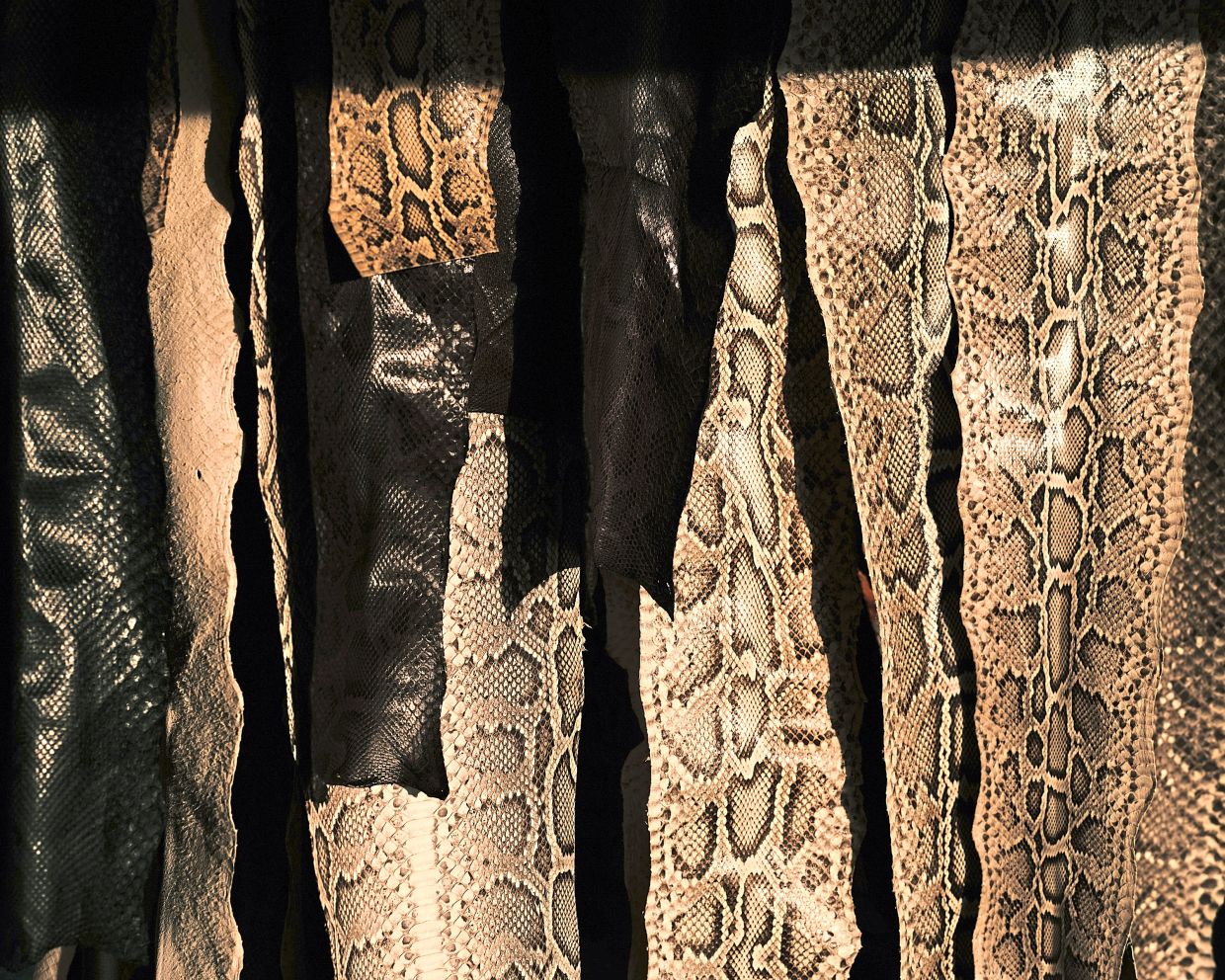
On a clothing rack in her living room hang dozens of skins, dyed deep hues by a tannery that helps her make python-leather products, including Apple Watch bands.
In the corner is a glass tank for the rare albino python that she and Roberts, 45, kept after a friend found it in her suburban Miami backyard and called Siewe to capture it. They named it Hank.
The couple used to see marsh rabbits on the road into their subdivision. Now, they find pythons.
One night in August, the hunt looked promising. The Python Challenge had just ended, so the roads were emptier. So many people go out during the competition that Siewe believes the pythons get scared.
She hopped onto a platform on the back of her pickup, nicknamed the snake deck.
Roberts drove along State Road 29, pitch-black wetlands on either side. Siewe was talking about identifying pythons by their bluish tint or periscoping heads when, suddenly, she yelled.
“Python!” Roberts hit the brakes. It was a hatchling, about a foot and a half long – so small that Siewe asked Roberts to look for a possible nest.
“He just hatched out,” she said. “It looks like he hasn’t eaten yet.”
The hatchling slithered in Siewe’s hands, around her fingers and wrist, up her arm, down her leg.
“There’s a very good chance he’ll chomp me,” said Siewe, who has been bitten many times. “He’s starting to get a little nervous. OK, buddy.”
People would see hatchlings and think, “Oh, well, this isn’t a very big snake,” according to Siewe.
“It’s going to be,” she said.
“It’s going to get to be 10 feet long in three years.” — ©2023 The New York Times Company
Already a subscriber? Log in
Get 20% OFF The Star Digital Access
Cancel anytime. Ad-free. Unlimited access with perks.