
“How come you are still not getting it?”
“Can you see with those dark glasses?” (it was prescriptive, so yes, I could see);
“Can you make sure the tap doesn’t get your lipstick stain on it?”
“Can you remove your food from the refrigerator as we are approaching the weekend?” (err, common sense – the fridge is meant to keep the food fresh for a few days at least).
“Hi, good morning” (no answer, completely oblivious as you are looking straight at your supposed interlocutor or superior and being polite and gracious).
Hand-wringing, and you reach out after struggling: “I don’t know how to do this... can you please assist me?” (you receive a neutral expression with a touch of disdain and a dismissive answer).
“Surely you can Google and find out” (you are supposed to be in training or probation and new in the job, and the answer you are seeking is specific to your duties).
SOUND familiar? Each of the above scenarios can be defined as workplace bullying, an indictable offence in Malaysia.
In fact, numerous local and international labour organisations have recognised workplace bullying and discrimination as a “crime” and, therefore, it needs to be addressed effectively and swiftly before it spreads like an incurable terminal cancer.
In Malaysia, the Human Resources Ministry has attempted to put in place regulations to protect the mental health of workers, as it has been widely documented in large-scale studies that bullying leads to mental health distress if it is not curbed. Cases of suicide, nervous breakdown, and burnout due to bullying are rampant. However, awareness concerning this type of harassment (let’s face it, it is harassment) is still lacking.
What does the law say about bullying?
According to the International Labour Organisation (ILO), “one out of five people has experienced violence and harassment at work”. The 2019 ILO Convention on Violence and Harassment (C190) clearly recognises the right of everyone to a world of work free from violence and harassment, and that the latter can constitute a human rights violation or abuse, as well as that violence and harassment are a threat to equal opportunities, are unacceptable, and are incompatible with decent work. In short, the ILO understands the importance of a work culture based on mutual respect and dignity of the human being to prevent violence and harassment.
Further, the C190 has stated that violence and harassment in the world of work refer to a range of unacceptable behaviour and practices likely to result in physical, psychological, sexual, or economic harm, and include gender-based violence (GBV) and harassment. Please be clear, gender includes both sexes. An increasingly alarming number of men have also reported that they have been subjected to bullying at the workplace. Thus, GBV is not sex- or gender-specific.
As of June last year, 50 countries have signed C190. It is telling and worth noting that both Malaysia and the United States have not signed the treaty, yet countries like Nigeria, Mozambique, Uganda, and the Central African Republic have. It is a shame that the progress we have made as a nation that recognises fundamental human rights is not reflected in us acceding to an international treaty.
Why should Malaysia ratify and accede to the anti-harassment treaty?
Malaysia is a member of the ILO, and it is duty-bound to support the convention, seek its adoption in Parliament, and comply with its international obligations.
It is worth emphasising that the Malaysian Trades Union Congress (MTUC) has in recent years made an unexpected U-turn. The congress had initially opposed the anti-harassment treaty but changed tack, admitting its rejection of the convention was misplaced due to some misinterpretation of the clauses, and that it would now support it.
MTUC president Abdul Halim Mansor has also reiterated its position to “push for the government to ratify it with full vigour and without any qualms”.
In a statement, Abdul Halim urged “for the review of the archaic labour laws in the country, as we have not left any stone unturned to ensure that workers will get all the protection, be it sexual harassment, violence, or gender bullying at the workplace.”
Why then is Malaysia dragging its feet?
It is rather discouraging to see the government taking its time to ratify the first international treaty that recognises and emphasises human rights, workplace safety, gender equality, and legislative reforms encapsulated in one convention to ensure a harmonious and discrimination-free work environment.
Furthermore, the treaty is aligned with the criminal justice system in Malaysia and is coherent with Prime Minister Datuk Seri Anwar Ibrahim’s promise to advance labour rights so that our labour standards are on par with those of the ILO.
There has not been an official response thus far as to why the government is not ready to sign the treaty. Nevertheless, the regime must understand the economic costs of not ratifying this treaty. Every year, thousands of workers quit their jobs quietly due to harassment and due to little recourse for justice.
This costs companies and the national coffers millions of ringgit in recruiting new workers, training, and, not to mention, legal suits for unfair or constructive dismissal, which have also led to backlogs for the judiciary and legal systems. It is, in fact, telling that the Industrial Relations and Labour Departments receive hundreds of cases a month to address workplace bullying or harassment, with many seeking compensation.
One main reason – one can hazard a guess – as to why Malaysia is hesitant to ratify the treaty is because, as of July 2025, workplace bullying has been officially recognised as a criminal offence in Malaysia. The Penal Code was amended to introduce Sections 507B to 507G.
The sections clearly define and criminalise bullying at work. The amendments were in response to alarming levels of toxic work environments, mental health concerns, and employee protection.
The law cites four categories of bullying: psychological bullying, work-related bullying, verbal bullying and digital bullying. All these offences carry a jail sentence.
Nevertheless, many employees are either unaware of workplace harassment and bullying as a criminal offence or allow it to perpetuate for fear of losing their jobs. Many of the people the author interviewed for this article have cited the absence of proper mechanisms at the workplace to allow reporting of bullying without repercussions. The author herself has been a victim of workplace bullying and, despite having worked for a couple of decades, still feels that improper understanding and lack of accountability by management have led to this important human right being swept under the carpet.
Management and companies have become even more emboldened in perpetuating this crisis, as Malaysia, collectively as a nation, has not signed this important anti-harassment and anti-bullying convention, signalling that the government and employers are unconcerned over the alarming levels of bullying and discrimination, which remain underreported. Fear of retaliation and shame underpin this tragedy.
Stressing it out
What can employers do while Malaysia scrutinises the 2019 convention before ratifying it?
An April 2024 survey showed that 67% of Malaysian workers reported being burnt out. This puts the nation among the highest globally for workplace stress.
As mental health cases are rising, leading to suicides, self-harm and isolation, it is ever more important that Malaysian employers recognise how bullying can affect the productivity and health of their workers.
A toxic environment leads to high turnover and poor self-esteem among workers. Therefore, enforcing this legal protection is vital, as employers can be held accountable for this lack of oversight. It is the moral obligation of businesses and employers to implement a safer working environment. (See below)
Workplace bullying has been illegal in Malaysia since July 2025, although the country is yet to ratify the ILO Convention on Harassment and Bullying 2019. Anyone at the workplace is liable for punishment under domestic law, and if your complaints have not been taken seriously, the matter can be escalated to the Labour Department or a police report can be filed, as long as these are not false claims or vengeful acts.
However, employers have a moral responsibility to establish a clear communication channel for victims so that the workplace is not associated with bullying or allows bullying with impunity. This is key to ensuring and maintaining good company and brand reputation, reducing costs related to retraining new employees and, above all, preventing mental health deterioration while assuring high workplace standards in all respects.
Above all, we as a nation must stand proud of our workers who have contributed to the advancement and betterment of our country. When we celebrate May Day next year, I would like to stand tall together with my fellow workers to raise a glass and cheer the government. Why? The goal is for the government to finally understand the importance of ratifying the 2019 Convention on anti-bullying and discrimination.
For a workplace free from violence and harassment
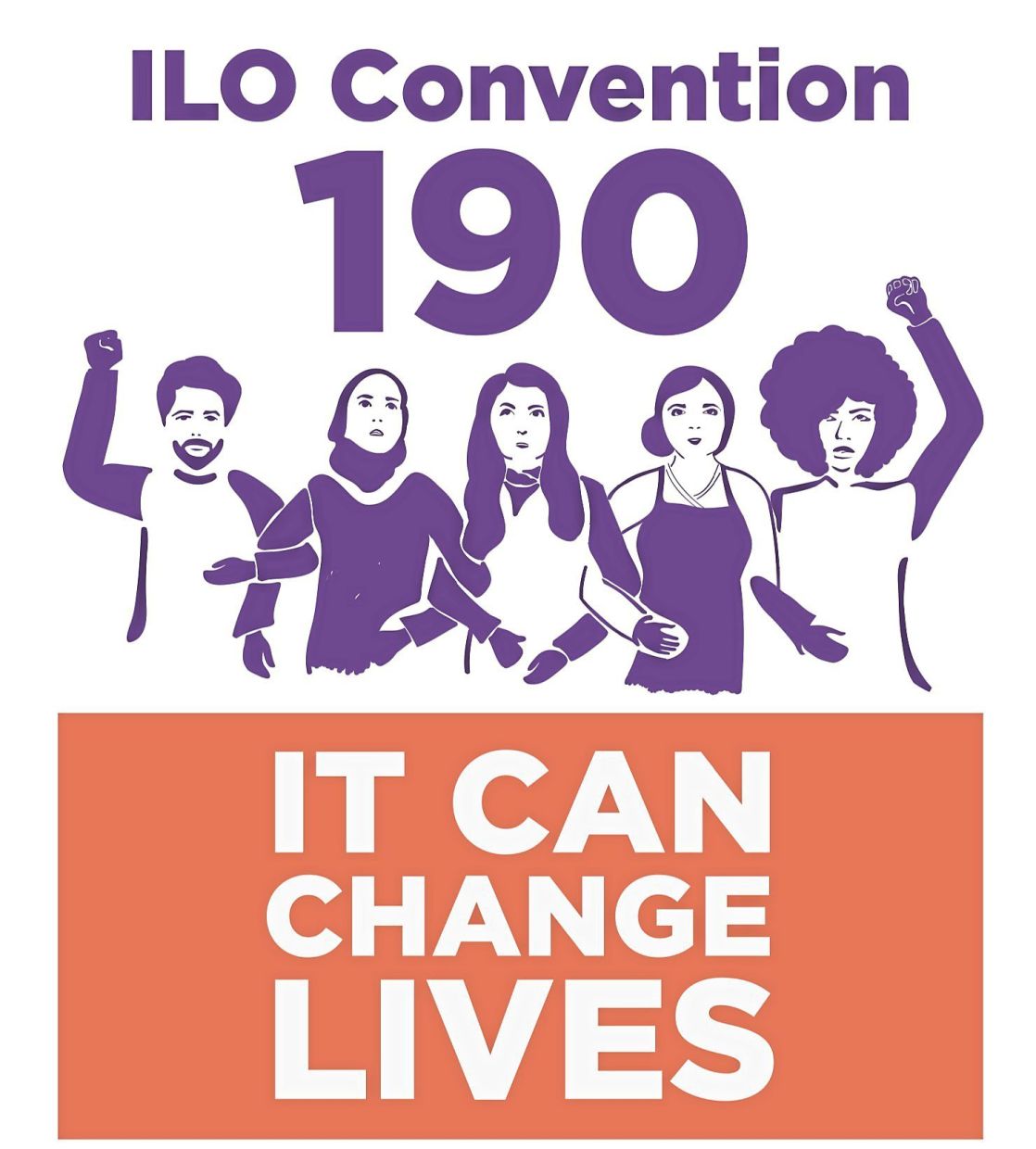
BUSINESSES and employers have a moral obligation to implement a safer working environment through some of these measures:
• Create a clear anti-bullying policy at the workplace and circulate a memo to all workers regarding its content, which defines bullying with specific examples, outlines reporting mechanisms, and stipulates disciplinary consequences. The policy should apply to all staff and cover both on- and off-site conduct.
• Train respective teams on respectful behaviour towards their colleagues.
• Take complaints seriously and act fast while ensuring fair and quick investigation: appoint neutral investigators and maintain consistency and fairness in disciplinary procedures.
• Flexible work arrangements with guidelines covering types of arrangements, eligibility, duration and employer obligations.
• Conduct training and awareness programmes to equip employees and management with the skills to identify, prevent and respond to bullying.
• Establish confidential reporting channels to provide secure and anonymous ways for employees to report incidents, such as hotlines or direct HR contacts.
• Offer counselling services and follow-up support to protect victims’ well-being.
• Promote inclusivity, mutual respect and open communication, while recognising positive behaviours.
Terasha Stanslas (Pooja) is a freelance writer who is concerned with social, political, and economic justice. She writes on various issues, especially those connected with ethical rights and moral integrity.