
YOU’VE probably heard it before: “Good health starts in the gut.” It sounds like wellness jargon you’d scroll past on a smoothie ad, but science is increasingly backing it up.
Your gut isn’t just a digestion machine; it’s also a major command centre for your immune system, mood regulation, and even how your body responds to everyday stress.
And at the heart of this connection is something surprisingly small but powerful: your gut microbiome.
The immune HQ
Inside your digestive tract lives a vast ecosystem of trillions of microorganisms – bacteria, fungi, and viruses – collectively known as the gut microbiome. Far from being “bad germs,” many of these microbes are essential allies.
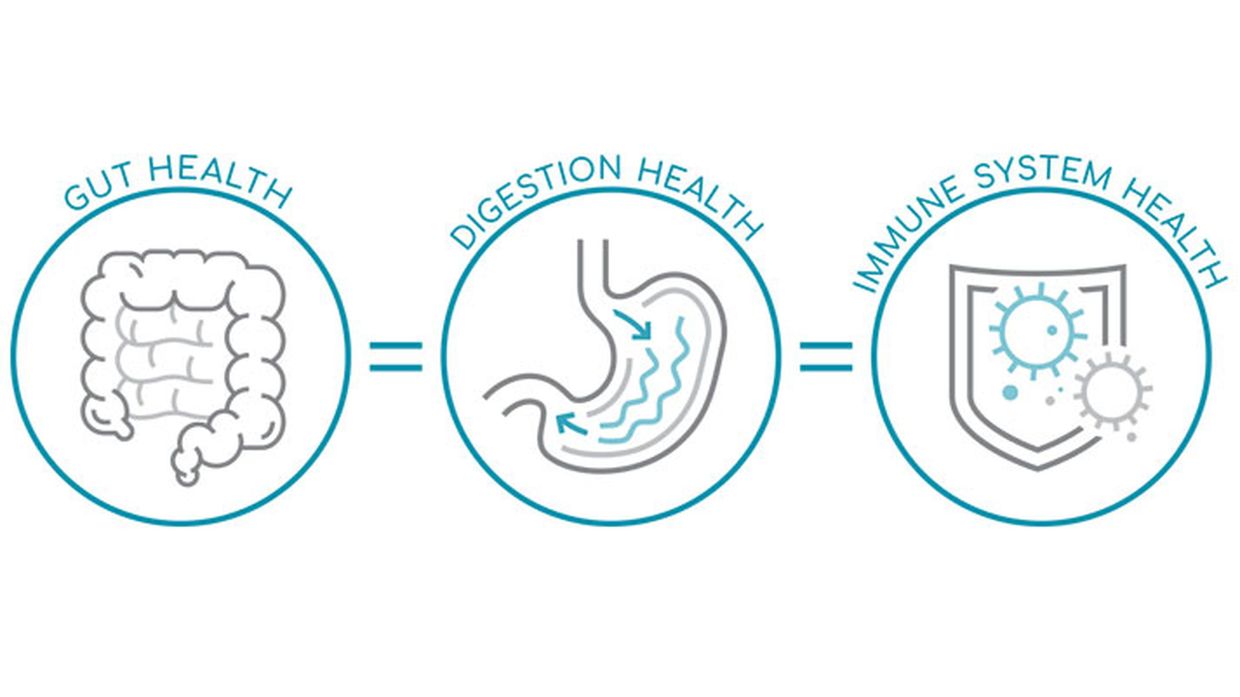
It is known that around 70% of your immune system is located in or around the gut. That means your body is constantly using gut signals to decide what’s friend or foe, whether it’s a harmless snack you just ate or a real pathogen trying to cause trouble.
Medical experts note that when your gut microbiome is balanced, it helps train immune cells, strengthens the intestinal barrier, and even reduces unnecessary inflammation.
But when it’s disrupted, mainly due to poor diet, stress, antibiotics, or lack of fibre, your immune response can become less efficient or overly reactive.
According to a Harvard Medical School-led study, gut microbiome plays a key role in regulating immune function and inflammation, influencing how well the body defends itself against illness [1].
When balance goes off track
Think of your gut like a bustling city. When everything is balanced, traffic flows smoothly, waste is cleared efficiently, and services run well. But when “bad bacteria” start to dominate or diversity drops, the system gets chaotic.
You might not immediately feel it as gut discomfort. Instead, it can show up as frequent colds, low energy, skin issues, or sluggish recovery after illness. That’s because immune resilience is deeply tied to microbial diversity.
Research from the US National Institute of Health (NIH) notes that gut bacteria interact directly with immune cells, influencing how the body responds to infection and inflammation [2].
Enter probiotics: the “good bacteria” boost. The World Health Organisation defines probiotics as “live microorganisms which when administered in adequate amounts confer a health benefit on the host”.
In simple terms, probiotics act like reinforcements for your gut army, helping replenish beneficial bacteria and keeping the ecosystem in balance.
You’ll find them naturally in fermented foods and drinks like yogurt, kefir, kimchi, kombucha and cultured milk drinks containing probiotics.
But here’s the nuance: probiotics don’t “magically fix” everything. Think of them as part of a wider lifestyle approach that includes fibre-rich foods, hydration, sleep and stress management.
Johns Hopkins University highlights that probiotics may help maintain gut balance and support digestive and immune health [3].
Probiotic drinks: convenience meets function
If you’re not big on fermented foods like kimchi or sauerkraut, probiotic drinks offer a more accessible entry point.
They’re easy to integrate into daily routines – grab one on your commute, pair it with breakfast, or use it as a mid-afternoon reset.
The appeal isn’t just convenience; it’s consistency. Gut health benefits are linked more to regular intake than occasional “super doses.”
Probiotic drinks often contain strains like Lactobacillus and Bifidobacterium, which have been studied for their role in supporting digestion and immune modulation.

That said, not all probiotic drinks are created equal. Some contain high sugar levels, which can counteract gut health goals. A quick label check goes a long way: look for live cultures, clear strain information and moderate sugar content.
Probiotic drinks are helpful, but they work best when paired with a gut-friendly lifestyle:
> Eat more fibre: Fruits, vegetables, oats, and legumes feed good bacteria
> Diversify your diet: More variety is associated with with greater microbial diversity, which is generally linked to better gut health
> Manage stress: Chronic stress can disrupt gut balance
> Prioritise sleep: Your gut bacteria follow a daily rhythm too
> Go easy on ultra-processed foods: These can reduce microbial diversity over time
It’s all connected
Gut health isn’t a trend – it’s a foundation. Your microbiome and immune system are constantly “talking” to each other, shaping how your body responds to the world around you.
Probiotic drinks aren’t a cure-all, but they can be a simple, practical way to support that internal ecosystem – especially when life gets busy and balanced meals aren’t always guaranteed.
Think of it this way: every sip is a small nudge toward better balance. And over time, those small nudges can add up to a more resilient, energised you.
References:
1] Cho H, Yoo J, Song X, “Structure of gut microbial glycolipid modulates host inflammatory response”, Cell, 2025; 188, 5295-5312.e18
2] Wiertsema, S. P., van Bergenhenegouwen, J., Garssen, J., & Knippels, L. M. J. (2021). “The Interplay between the Gut Microbiome and the Immune System in the Context of Infectious Diseases throughout Life and the Role of Nutrition in Optimizing Treatment Strategies”. Nutrients, 13(3), 886. https://doi.org/10.3390/nu13030886
3] McKinney, C. (n.d.). Meet Probiotics-An Introduction to Gut Bacteria. John Hopkins Patients Guide to Diabetes. https://hopkinsdiabetesinfo.org/meet-probiotics-an-introduction-to-gut-bacteria/
This article is brought to you by Vitagen.