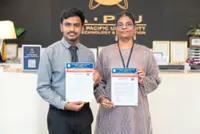
THE ASIA PACIFIC UNIVERSITY OF TECHNOLOGY & INNOVATION (APU), in collaboration with the Malaysia Digital Economy Corporation (MDEC) and powered by Amazon Web Services (AWS), successfully hosted the Great Malaysia AI Hackathon 2025 on Sept 20.
The hackathon was officially recognised by the Asean Records as the largest on-site artificial intelligence (AI) hackathon jointly organised by academia and industry in the region.
Supported by MDEC and its Premier Digital Tech Institutions (PDTI) initiative, it brought together 1,741 participants, comprising 1,547 university students and 194 industry professionals.
More than 50 private and public institutions of higher learning were represented, including entries from Malaysian students based at Durham University and Cambridge University.
With 20 industry mentors engaged and a total prize pool of RM110,000, the event not only broke records but also showcased Malaysia’s growing strength in cultivating AI talent for the digital economy.
Building the AI nation
The hackathon was officially launched at APU’s Technology Park Malaysia campus by Digital Minister Gobind Singh Deo, who emphasised the significance of this achievement for Malaysia and the region.
“I must congratulate the university for organising this event. I hope to see more such platforms where government, academia, industry and students come together to showcase talent and solutions not just for Malaysia, but for the world,” he congratulated the tri-party organisers.
“We already have the infrastructure, ecosystem and support. What will make the difference is talent and mindset. With your creativity, drive and collaboration with industry and government, I am confident Malaysia will emerge as a digital nation, and as the Prime Minister has said, an AI nation by 2030,” he continued.
Leadership in digital talent development
The scale and success of the hackathon highlighted APU’s pivotal role as organiser and host. APU chief executive officer Datuk Parmjit Singh noted that the event was the result of strong collaboration with AWS and MDEC, stressing APU’s global standing and commitment to digital education.
“This pioneering spirit, together with our partnership with AWS, reflects our shared vision of empowering the next generation of cloud-ready and AI-focused talent.”
He proceeded to commend APU’s School of Computing (SoC) for its leadership in making the event possible, especially Assoc Prof Dr Tan Chin Ike and his organising committee.
Empowering builders of the future
Representing AWS, Asia Pacific and Japan Go-to-Market head Peter Murray, expressed excitement at the scale of participation and the future potential of Malaysia’s talent.
He urged participants to focus on practical outcomes: “As you work on your challenge statements, keep this in mind—focus on measurable value. Whether it’s for customers, businesses, or communities, ask yourselves, ‘What tangible impact will my solution create?’”
During the hackathon, participants could access AWS services like Amazon Bedrock and Amazon Q, with industry mentors guiding participants across multiple challenge statements and sponsors such as AxrailAI, Crayon, eCloudValley, among others.
Shaping Malaysia’s digital future
The Great Malaysia AI Hackathon 2025 marks a defining moment for Malaysia’s digital economy. By entering the Asean Records, it not only set a new benchmark for hackathons but also underscored Malaysia’s ability to nurture digital talent and attract international recognition.
As Malaysia works towards becoming an AI nation by 2030, this record-breaking event demonstrates the collective strength of government, academia and industry in building an ecosystem that inspires innovation, fosters trust and empowers the next generation of digital leaders.