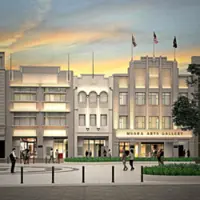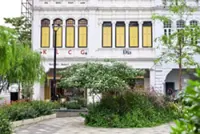
Medan Pasar in Kuala Lumpur, located in the vicinity of several historical landmarks such as Dataran Merdeka and Bangunan Sultan Abdul Samad, is being redesigned.
Established in the late 19th century, the square was once the city’s bustling financial centre, but has for years stood as a quiet and neglected urban pocket.
Based on a social media post by Minister in the Prime Minister’s Department (Federal Territories) Hannah Yeoh, the collaborative project between Kuala Lumpur City Hall (DBKL) and Yayasan Creador will revitalise Medan Pasar to make it more open, accessible and welcoming.
A signboard at the site states that Yayasan Creador is undertaking the project as part of its corporate social responsibility initiative.
Completion is expected by Oct 22.
In a statement to StarMetro, DBKL said Medan Pasar’s new design would focus on heritage preservation, pedestrian space management and landscape optimisation.
It also said the upgraded Medan Pasar would be divided into south and north zones.
South zone
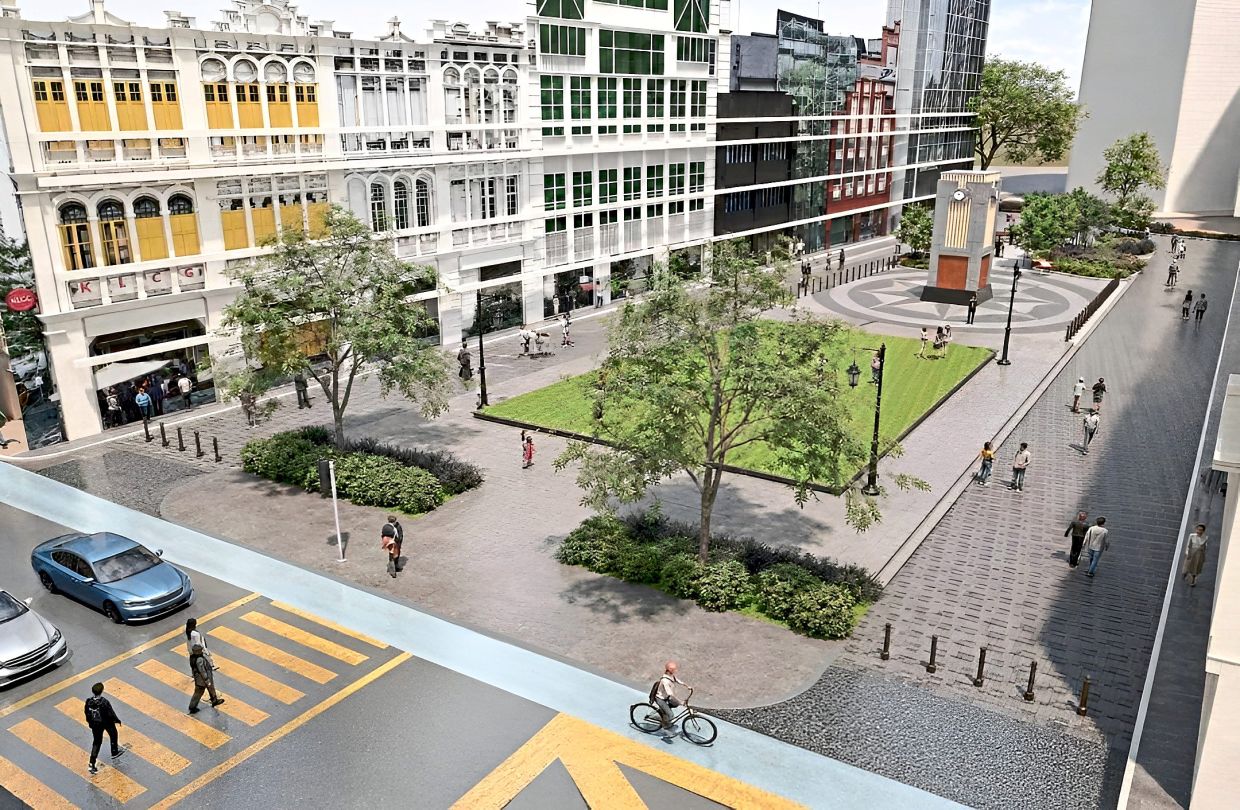
DBKL said an iconic clock tower along Jalan Medan Pasar would be made the main focus point of the south zone, while granite-paved plazas and portable bollards would be introduced to ensure pedestrian safety.
In addition, a field will be built between the clock tower and Lebuh Pasar Besar as a space for recreational activities and community programmes.
“The field will be built on a higher level than the pavement around it to control vehicular access, ensuring a friendly environment for pedestrians.
“Large trees and low-growing plants will be planted to create a greener environment without obstructing views of Medan Pasar from Lebuh Pasar Besar,” said DBKL.
North zone
For the north zone, DBKL said focus would be given to placemaking efforts and historical reflections through interactive elements.
“Various traditional sculptures will be installed.
“One of the proposed sculptures is a rickshaw, which is one of Kuala Lumpur’s heritage transports,” added DBKL.
“This artistic element aims to promote social interaction and photography activities among visitors of all ages.”
Another proposed sculpture is a mini bus, in commemoration of Medan Pasar’s past as a major transport hub in the city.
“It will serve as an interactive feature, allowing younger visitors to learn about the city’s transport history through hands-on exploration,” said DBKL.
“This iconic sculpture will make Medan Pasar a heritage medium – evoking a sense of nostalgia towards the collective memory of its glorious past.”
DBKL said the upgrade would incorporate nature-based solutions to support Kuala Lumpur’s goal of becoming a sponge city to prevent urban flooding.
“An underground stormwater infiltration system will be installed alongside structural root cells to provide space for tree roots to grow beneath the pavement and improve the landscape’s resilience,” DBKL said.
“A lighting system will also be installed for safety at night, while easing directional orientation as well as highlighting infrastructure and heritage landmarks.”
Concerns raised
However, there are concerns about businesses in Medan Pasar being affected by the new design.
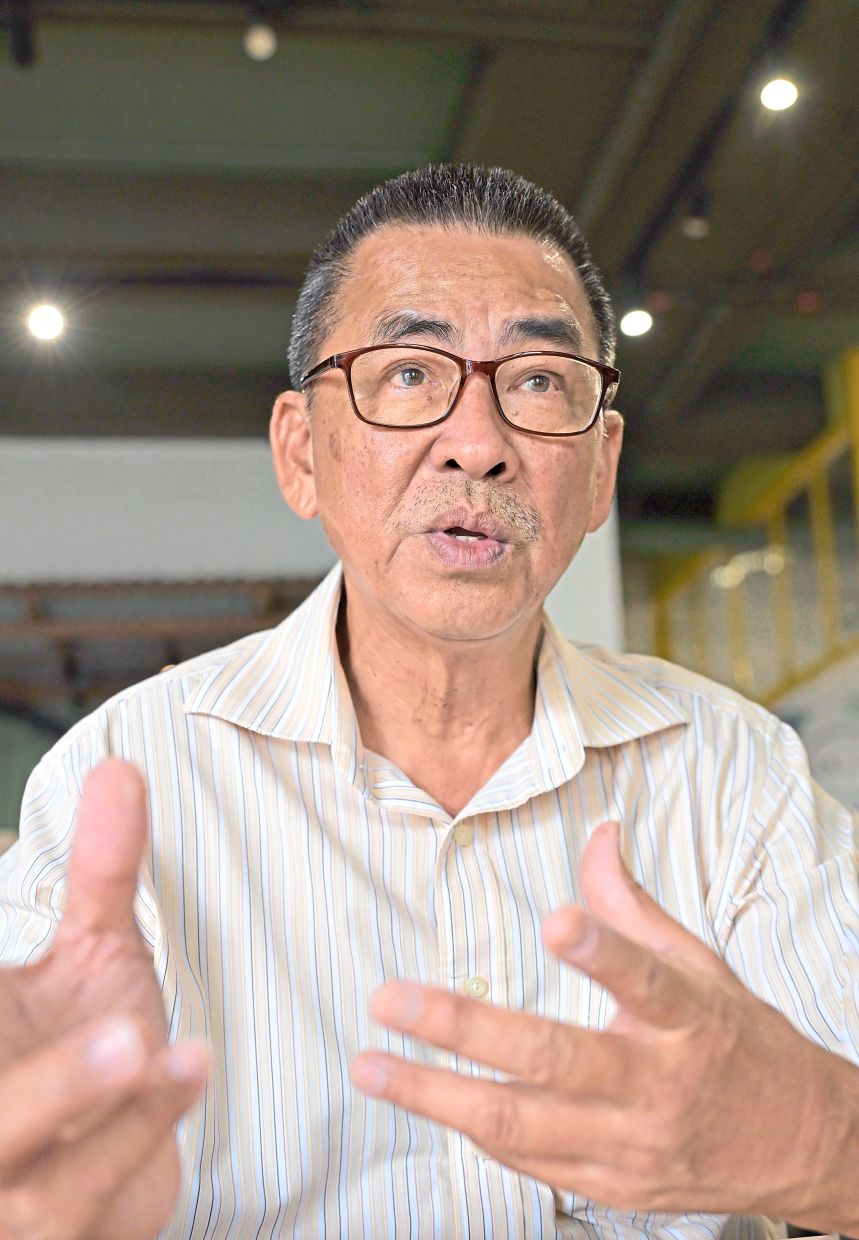
Community activist Yee Poh Ping said installation of bollards would close Medan Pasar to vehicular traffic, leading to a drop in business activities.
“The area was closed to motor vehicles in 2020 and businesses suffered,” he said of the temporary closure during the Covid-19 pandemic.
“Do we want this again?”
He also urged DBKL to work on attracting more locals to Medan Pasar rather than only relying on tourists.
“Although Medan Pasar is a tourist spot, businesses there still need the support of locals.
“However, local folk will not be interested to go to Medan Pasar if they cannot park their vehicles there.”
Kuala Lumpur Residents Action for Sustainable Development Association honorary secretary Joshua Low cautioned that merely installing bollards would not automatically create a successful pedestrian precinct.
“Businesses still need access for loading and unloading, deliveries and waste collection.
“There also needs to be convenient drop-off points within reasonable walking distance.
“If public transport and last-mile connectivity are not improved, businesses in the area could still be adversely affected.”
In response to the concerns, DBKL said installation of portable bollards in the south zone would not fully hinder vehicular access into Medan Pasar.
“Vehicles connected to business premises can still access the area through the fire appliance access road for loading and unloading purposes.
“This way, businesses won’t be affected.”
DBKL also said that permanent bollards would be installed around the clock tower to prevent vehicles from encroaching into pedestrian space.
To this Low urged DBKL to explain how the loading and unloading processes would be managed in practice.
“Although allowing vehicles to use the fire engine access road for loading and unloading is feasible, DBKL must ensure the vehicles do not obstruct the route during emergencies.
“The portable bollards should also be easily removable when emergency vehicles need access.
“Pedestrianisation is a positive move, but it should not create a situation where emergency access is compromised,” he said.
DBKL, at press time, had not responded on its management plans for the fire engine access road.
Low also urged DBKL to set clear targets for rainwater retention, infiltration and reuse, as well as reducing surface runoff.
“If Medan Pasar is going to be presented as part of Kuala Lumpur’s ‘sponge city’ approach, the project should do more than just provide better conditions for trees,” he said .
“DBKL should also look at how rainwater from large paved areas can be captured, stored and infiltrated rather than simply flowing into the drains.
“Medan Pasar is a highly urbanised and largely paved area, so there is an opportunity to introduce rain gardens, bioretention tree pits, permeable surfaces and landscaped areas designed to temporarily retain and filter stormwater,” he said.
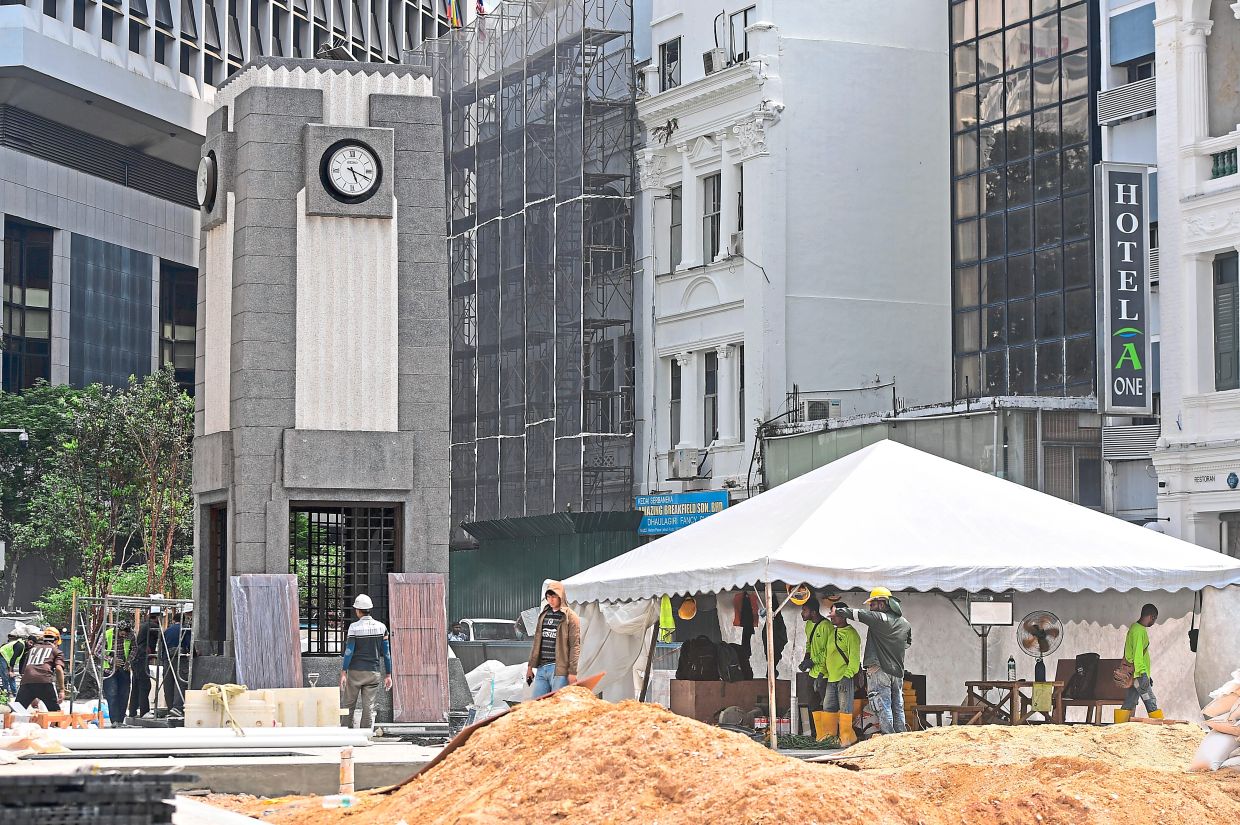

Iconic clock tower along Jalan Medan Pasar will be the main focus of the south zone in the redevelopment of the square.
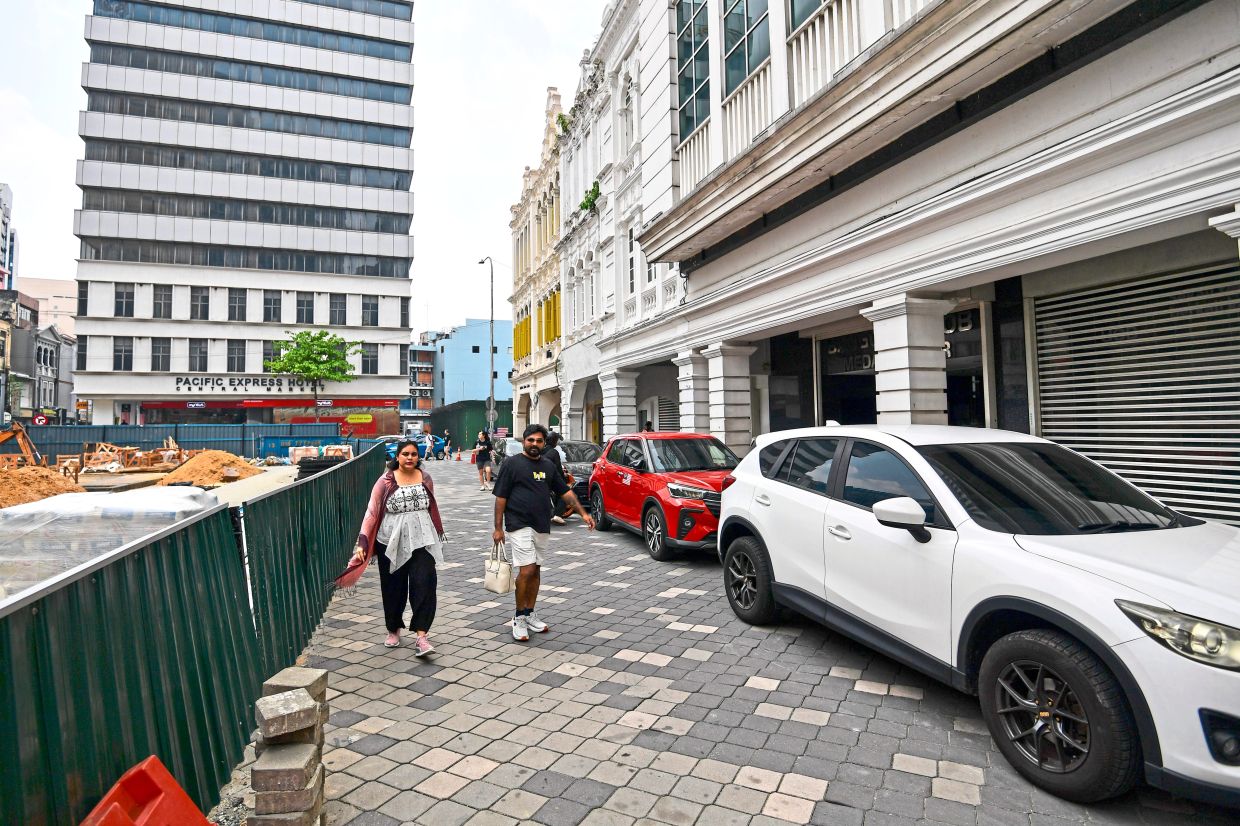
DBKL’s goal is to make Medan Pasar a pedestrian-friendly area. The move will bar vehicles from parking within the square.
Yee: Installation of bollards will close Medan Pasar to vehicular traffic, affecting businesses.
Low urged DBKL to set clear targets for rainwater retention, infiltration and reuse, as well as reducing surface runoff.
Artist’s impression of Medan Pasar, Kuala Lumpur, after its upgrade. — Courtesy of Hannah Yeoh’s Facebook page
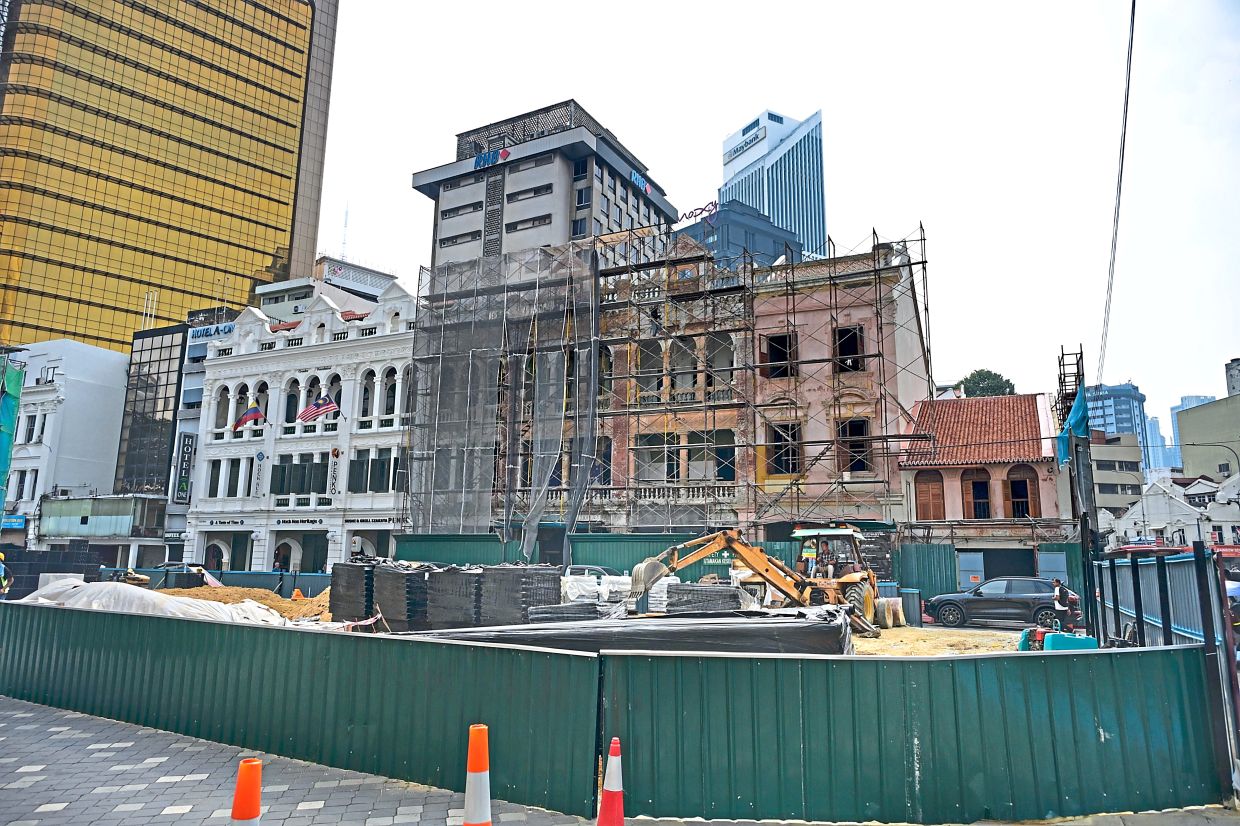
Upgrading works ongoing at Medan Pasar, Kuala Lumpur. The initiative is a corporate social responsibility project by Yayasan Creador in collaboration with DBKL.