PORT operators in Malaysia should hasten their decarbonisation efforts to meet international environmental standards and stay competitive in the global industry, says Transport Minister Anthony Loke.
They should emulate the Port of Tanjung Pelepas (PTP) in Gelang Patah, Johor, which is transitioning from diesel-powered prime movers to electric models to reduce carbon emissions, he added.
“This is important for private companies as failure to comply with environmental, social and governance (ESG) requirements could affect their competitiveness.
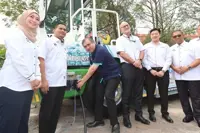
“I believe the other port operators will follow suit,” he said in a press conference after the launch of PTP’s fleet of 52 electric prime movers (e-PMs).
Loke cited PTP’s shift from diesel-powered prime movers to electric prime movers as an example of efforts to reduce emissions and improve the environmental responsibility of ports.
He added that ESG compliance is becoming increasingly important to international companies.
He said the move towards greener port operations is also important for Malaysia to fulfil its international commitments under the International Maritime Organisation (IMO), which aimed to achieve net-zero greenhouse gas emissions from international shipping by or around 2050.
“This is our obligation to the international community under the IMO requirement.
“We have a runway of about 24 years.
“At the same time, it’s a new opportunity for us because as the shipping industry moves towards alternative energy sources, we have the opportunity to supply these fuels.”
Loke said shipping companies worldwide were exploring alternative fuels, including methanol, liquefied natural gas (LNG) and ammonia, to reduce emissions.
“We want to position our ports as green bunkering hubs,” he said, adding that the Transport Ministry and the Australian government were working together to develop a regulatory roadmap for green bunkering.
He said new regulations, standard operating procedures and safety protocols would be needed to support the transition.
At the launch, he commended PTP for its remarkable growth.
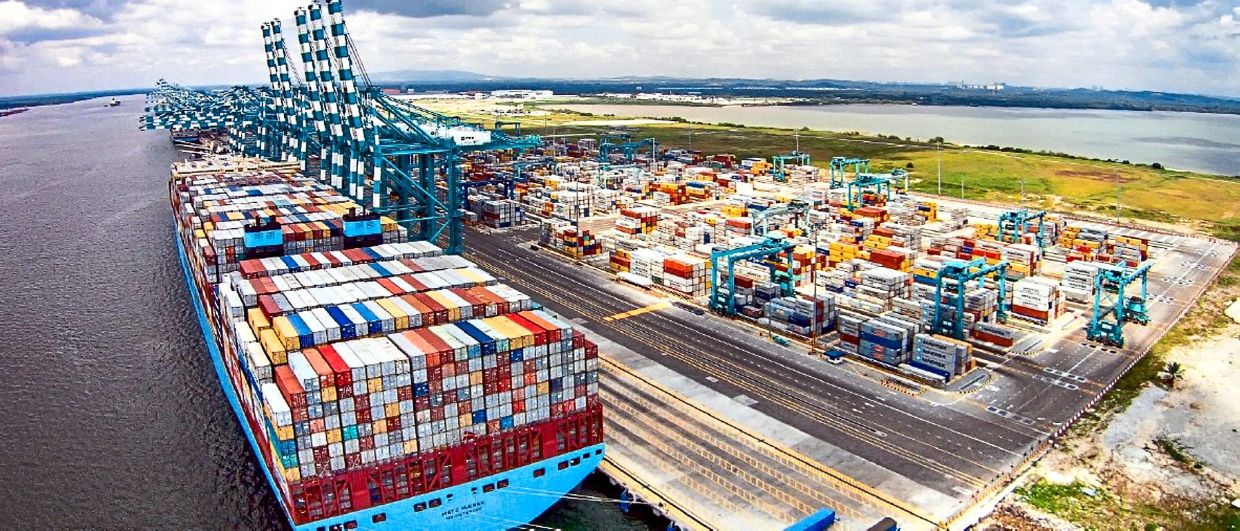
“It was the first container terminal in Malaysia to pass 14 million twenty-foot equivalent units (TEUs) in a single year and has been recognised as the world’s fastest-growing port.
“But growth that leaves a heavier carbon footprint is not growth that Malaysia, or the world, will reward for long,” he said, stressing that business expansion and environmental sustainability must go hand in hand.