REACHING the MRT station in Kajang, Selangor, appears effortless on paper, with local shops a kilometre away and a neighbourhood school well within walking distance.
However, navigating the route on foot reveals a starkly different reality for everyday commuters.
Pedestrians are immediately forced onto exposed road shoulders before reaching proper footpaths.
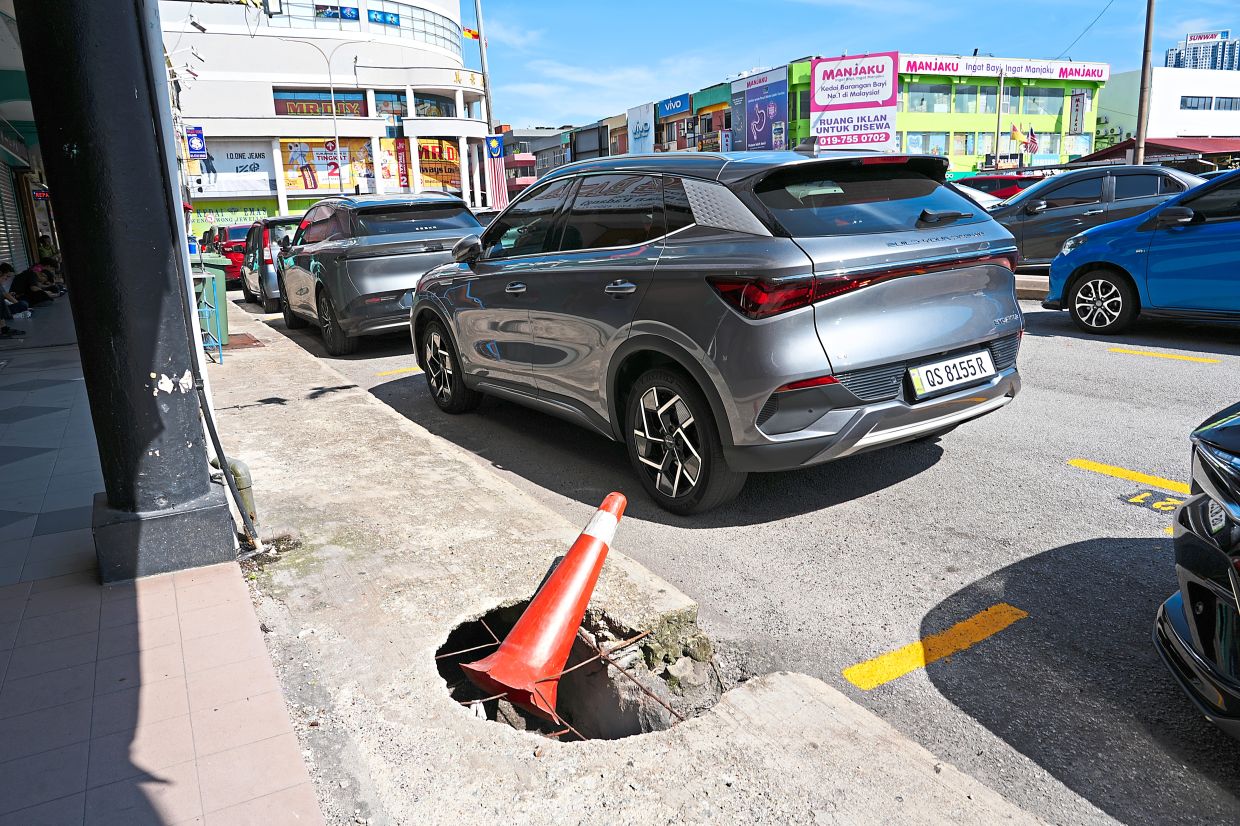
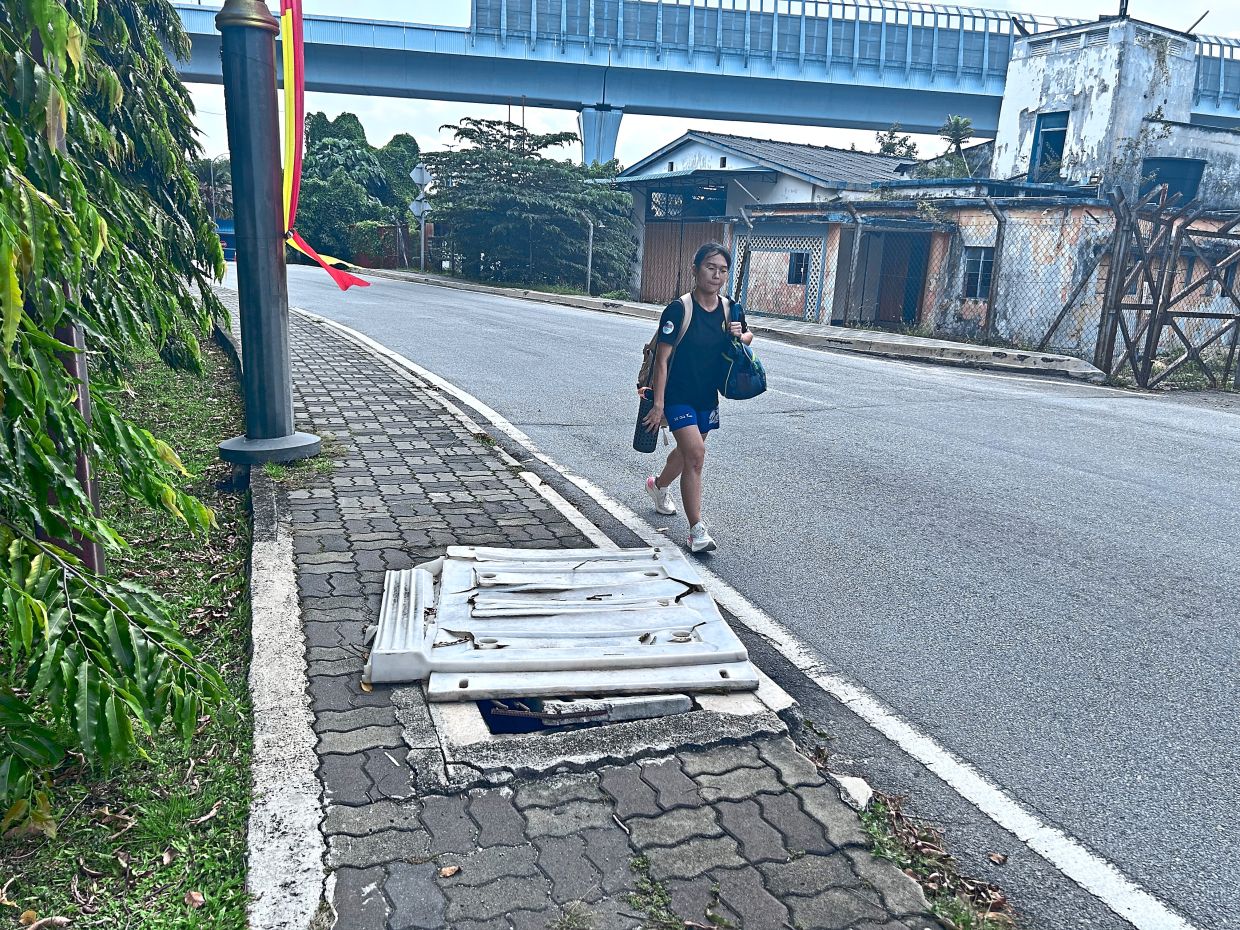
Even where pavements exist, residents must contend with cracked tiles, narrow walkways, and dangerous gaps over uncovered drains.
For residents reliant on public transport, these crumbling links highlight a fundamental flaw: the system only works if the people can safely reach it.
Stakeholders’ plight
For Jalan Bukit resident Wee Tiat Hong, 60, the condition of the pedestrian paths becomes more concerning for people with advancing age.
“As I have gotten older, I have to watch my step when walking around Jalan Bukit because there are potholes and uncovered drains along the sidewalks,” he said.
His experience is echoed by people much younger too.
A student from Jalan Bukit said walking near her school could be difficult, particularly after school when students gathered along the narrow pavements waiting to be picked up by their parents or the school bus.
“Sometimes there are too many students waiting, so I am forced to walk along the side of the road,” she said.
She added that cracked and dislodged tiles made it more difficult to walk along the narrow pavement.
A waitress, who wished to be known only as Yemmy, said the walk to the bus stop after a late shift was not easy.
“Many nearby areas have poor street lighting, and some bus stops have really dim lighting or no lights at all.
“I have to walk in the dark to get to the bus stop. It can be hard,” said the 40-year-old.
Residents said the challenge in getting around the neighbourhood was navigating roads without proper pedestrian walkways or clear crossing points.
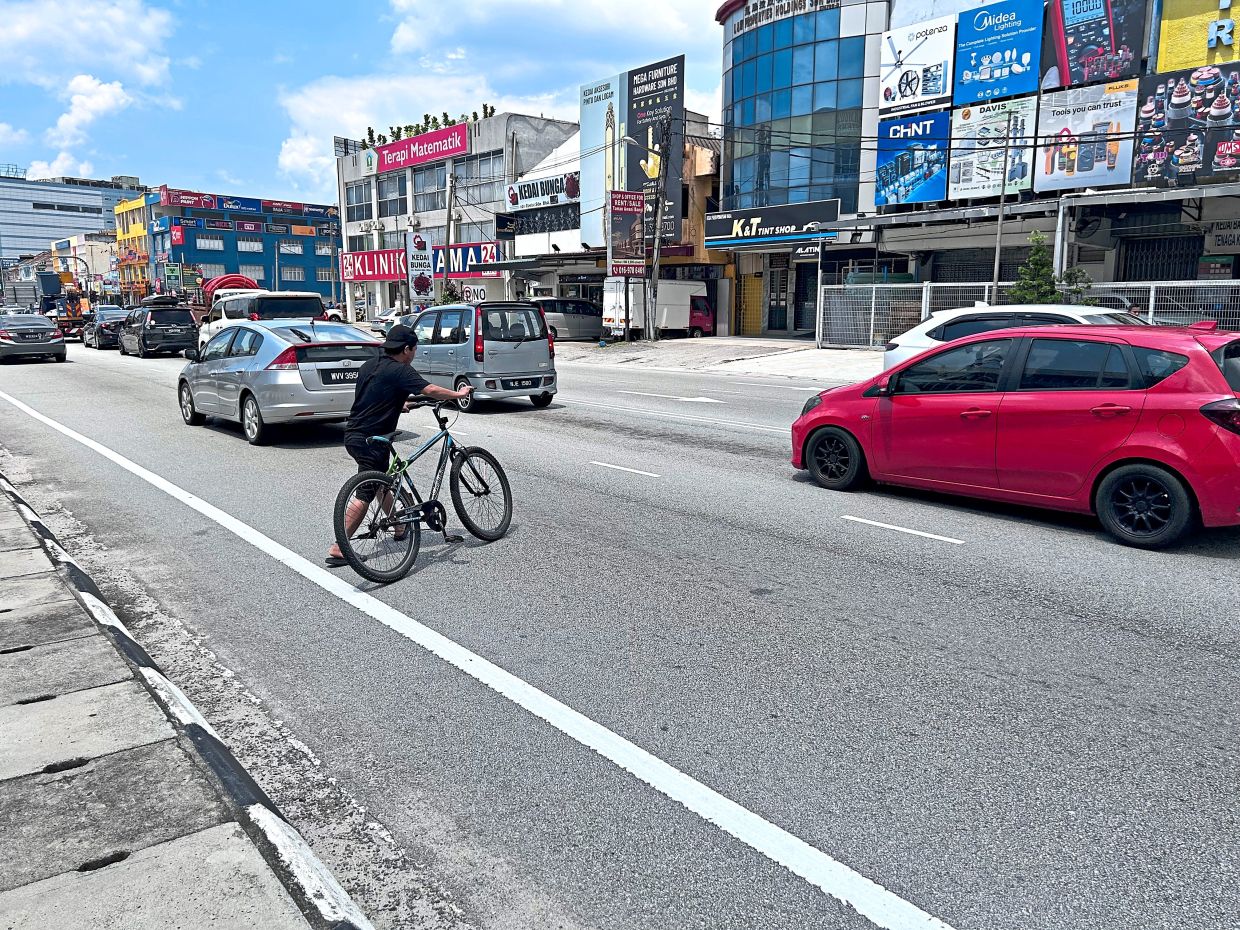
Human resource consultant Hemizaffuan Ismail, 47, said his journey from the MRT station to his parents’ house in Bandar Kajang sometimes involved jogging along the roadside, with cars passing close by.
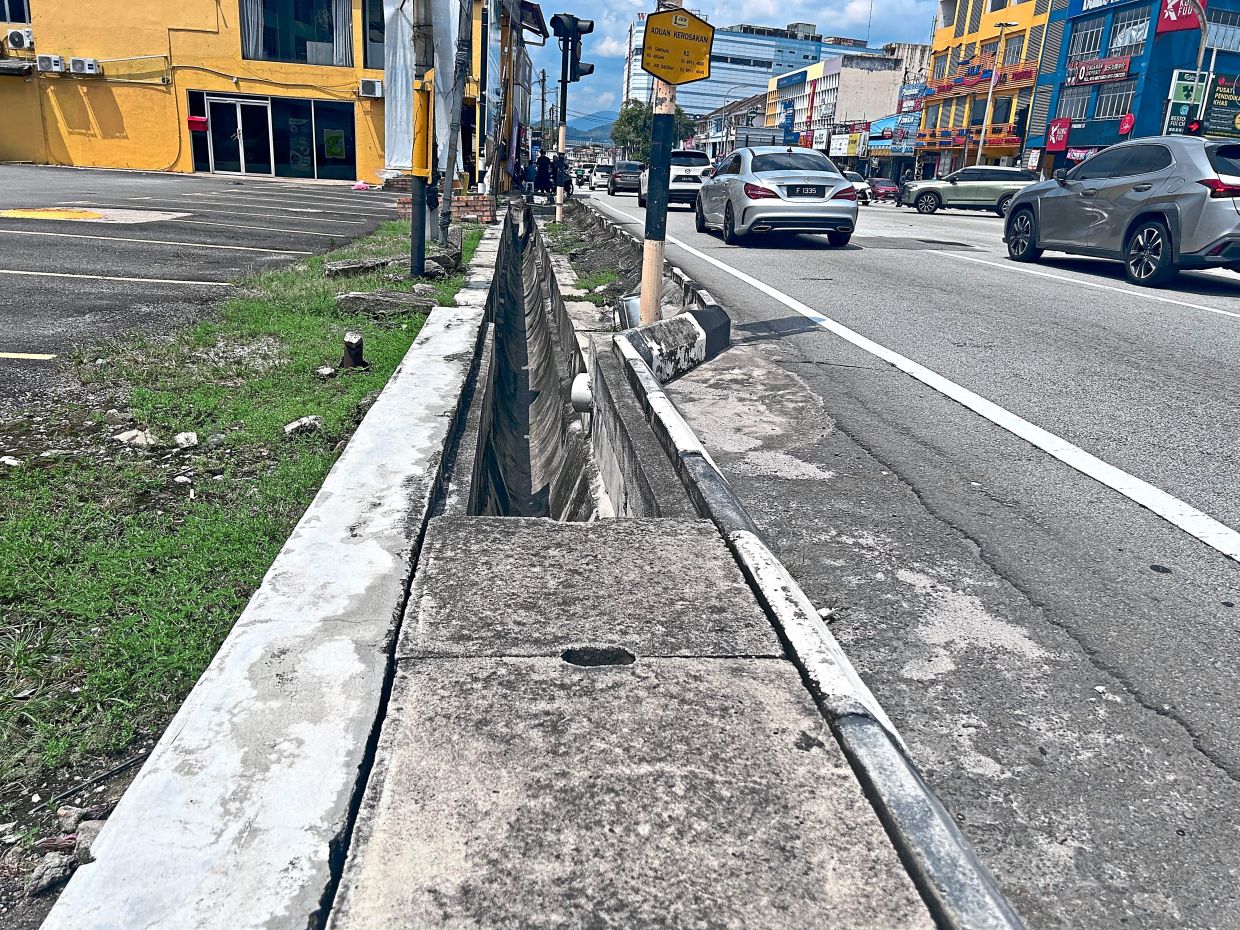
“There are usually gaps in the middle of the sidewalk, while in some places it ends abruptly.
“When that happens, I have to walk on the road.
“There are also no proper crossing points, so I have to be careful when crossing the road as well,” he added.
Nur Fazlina Mohd Fuzi, 26, noted that Kajang remained more car-oriented than pedestrian- friendly.
She said poor connections for pedestrians made public transport usage dependent on e-hailing services.
“Even when I take the MRT or LRT, I often choose an e-hailing service to get home because it is much more convenient than walking home,” she said.
The same concerns are shared by newer residents like Liu Liyuan, 20, who moved to Kajang a year ago.
“I have to take a 20-minute bus ride to an MRT station near my house because there is no proper walkway to get there,” said the Universiti Kebangsaan Malaysia (UKM) student from China.
Transit-oriented dysfunction
Malaysian Land Public Transport Fans chairman Zac Cheong said the experiences showed why walking should be treated as part of the wider transport system.
“The walk to and from a station is a fundamental part of the overall journey.
“When people live near an LRT or MRT station but face poor pathways, unsafe crossings or missing connections, it severely undermines the entire public transport system,” he said.
He described this as “transit-oriented dysfunction”, where a neighbourhood may appear well-served by public transport on a map, but remain effectively car-dependent because pedestrian connections around the station are inadequate.
“When pedestrians have to navigate dangerous intersections or walk on roads designed only for cars, many will return to using private cars,” he said.
Justin Lee, director of Commute Initiatives − an advocacy group focused on safer, more sustainable streets − said the problem could also leave people with fewer transport choices.
“Those who can afford a safer, comfortable alternative will drive or pay for e-hailing.

“Those who are economically strained will be forced to risk their safety to keep travelling on foot,” he said.
“This unfairly pushes the burden of transportation to the people, which should be solved through public infrastructure,” he added.
Lee said improving walkability required more than fixing individual potholes or damaged pavements, as a combination of problems can create a hostile environment for pedestrians.
“Rather than just individual problems, it is the collective issues that come together to make a hostile walking environment,” he highlighted.
The solution, he said, should start with street design and infrastructure that make roads more inclusive of walking and other forms of active mobility.
Measures such as narrowing roads could reclaim space for pedestrians while slowing vehicle speed, making streets more comfortable to walk along, he elaborated.
For people with mobility needs, he said, such shortcomings could make already difficult walking routes even harder to navigate.
“Able-bodied people can navigate over damaged or uneven sidewalks, while a wheelchair user may be unable to get through and thus be forced onto the road when the sidewalk becomes impassable, putting them at greater safety risk,” Lee pointed out.
“By designing inclusive infrastructure for people with different mobility needs, including the elderly, disabled persons and parents with strollers, it makes roads safer and more comfortable for all,” he said.
He also noted that Kajang’s development pattern could make walking difficult when homes, schools, shops and other everyday destinations were spread across larger areas.
“When destinations are further apart, it becomes harder to support them with public transport, while some places can become too distant or dangerous to walk to,” he said.
Lee added that poor connectivity could discourage people from commuting on foot, as some housing or commercial areas might be walkable within themselves but were not safely connected to one another.
Heritage walk
In a StarMetro report on Jan 23, Pusat Bandar Kajang was the subject of a Draft Special Area Plan to transform it into a heritage town and integrated arts hub.
The plan proposed 44 projects covering transport, economy, heritage, public spaces and sustainability, to be implemented in phases to create a more systematic urban environment.
Responding to this, Dr Yong Adilah Shamsul Harumain, who heads the Urban and Regional Planning Department under Universiti Malaya’s Faculty of Built Environment, said walkability was particularly important in heritage areas because it would allow people to experience historical buildings and their surroundings closely.
“It is impossible to appreciate those buildings from inside a vehicle.”
She said better pedestrian facilities made it easier for people to explore heritage cities like Melaka and Ipoh on foot.
“The same approach could help make Kajang’s town centre more walkable, allowing people to enjoy its heritage and explore the area on foot,” she said.
“Better walkability,” said Yong Adilah, “starts with understanding how people actually moved through their surroundings.
“When we walk from point A to point B, the route has to be connected and safe, with access to public transport.”
She said Malaysia made progress in improving pedestrian facilities, but there was still room for improvement.
“If there is one thing I want to see change in the way Malaysian towns and cities are planned, it is for public transport to support walkability.
“It has to be part of the system, and it has to be seamless,” she emphasised.
“Those involved in planning need to think about people first.
“That will make a big difference,” Yong Adilah added.



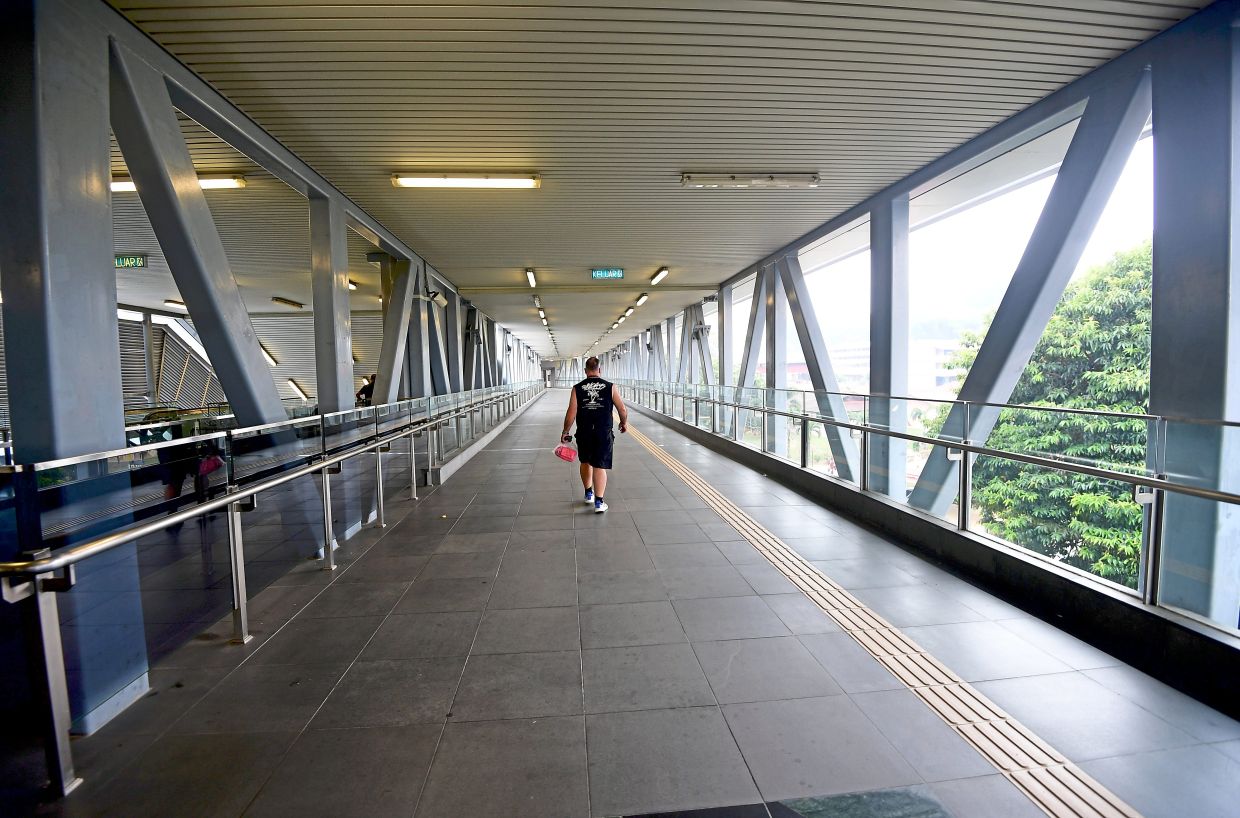
A commuter walking along the walkway towards the entrance of Kajang MRT station. Commuters say poor pedestrian connections make public transport usage dependent on e-hailing services.
Nur Fazlina says Kajang is more car-oriented than pedestrian-friendly.
Cheong says poor pedestrian connections can undermine the wider public transport system.
Liu has to take a bus ride to reach a nearby MRT station due to the lack of a proper walkway.
Yemmy: Kajang routes, bus stops are poorly lit at night, making it hard to commute after a late shift.
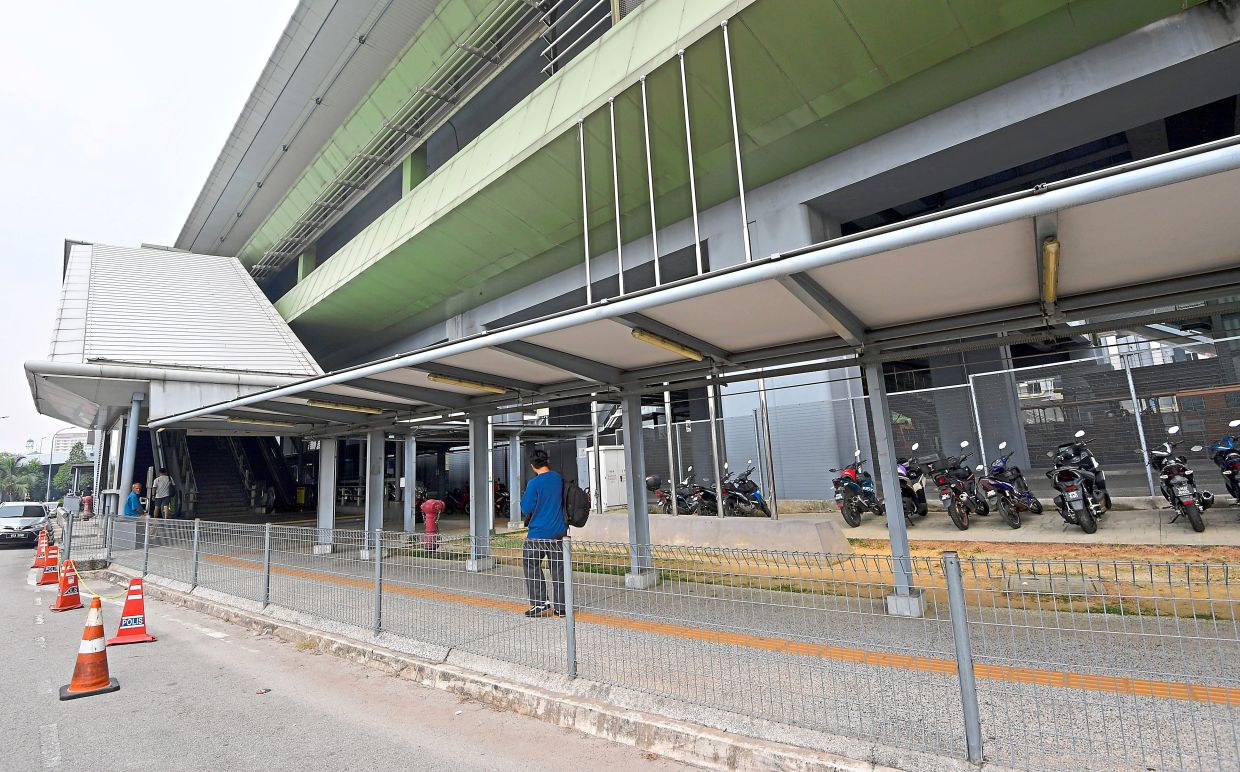
Walking inside the Kajang MRT station is a breeze, but once outside, the journey along pathways to the final destination is far from smooth.
A man pushes his bicycle across the street among cars along Jalan Sungai Chua, Kajang.
Broken pavement along Jalan Tun Abdul Aziz in Bandar Kajang.
A manhole on sidewalk in Bandar Kajang’s Jalan Stadium, missing its cover, has makeshift covering of large PVC pieces.
A roadside pedestrian path, running parallel to a drain along Jalan Sungai Chua, ends abruptly.