



A TRADITIONAL kampung set-up and a full-sized Kelana Jaya LRT coach were among highlights at the Federal Territories Pavilion (PWP) at Malaysia Agriculture, Horticulture and Agrotourism Exhibition (Maha) 2026 in Serdang, Selangor.
Sarawak clinched first prize while the Federal Territories placed in the top five for the Best State Pavilion Awards among 14 participating states in the event that attracted over 31,600 visitors.
Organised by the Federal Territories Department (JWP), the PWP pavilion brought together the participation of local governments of Kuala Lumpur, Putrajaya and Labuan.
Charged with creating a mini kampung within the pavilion was Kuala Lumpur City Hall’s (DBKL) Landscape and Recreation Development Department deputy director Nour Sharifah Hafiezah Abd Rani.
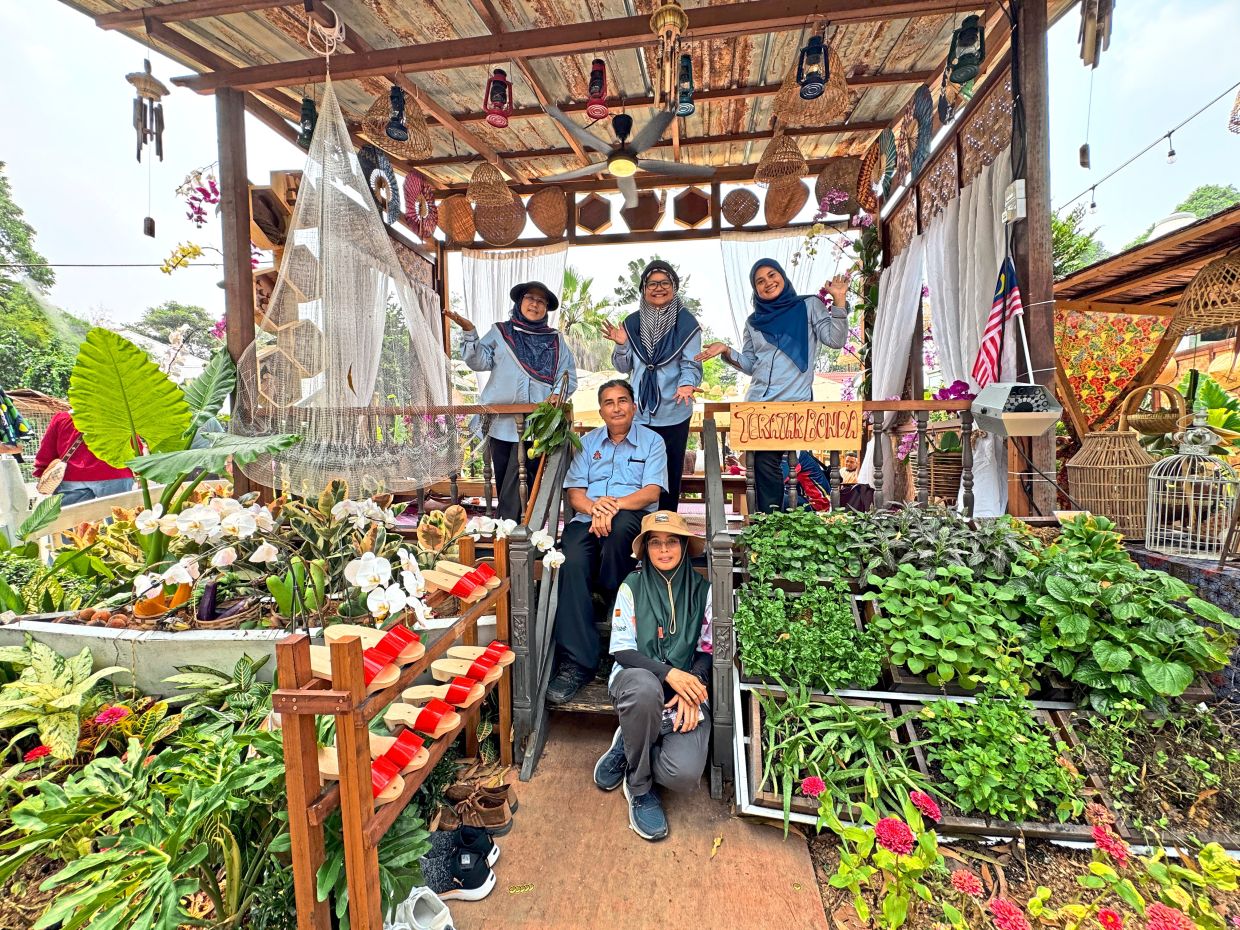
She said the theme, complete with live ducklings, chickens and geese, was curated to evoke the warmth and tranquillity of a traditional village.
“We wanted visitors to step away from the busy exhibition environment and enter a space that feels familiar, calm and rooted in village life,” she said.
Nour Sharifah said the landscape team carried out a site visit a month prior to the exhibition.
“We used rustic elements such as chicken coops, chicken feeders, bubu fish traps and farmers’ hats, which were adapted as decorative lighting features,” she said.
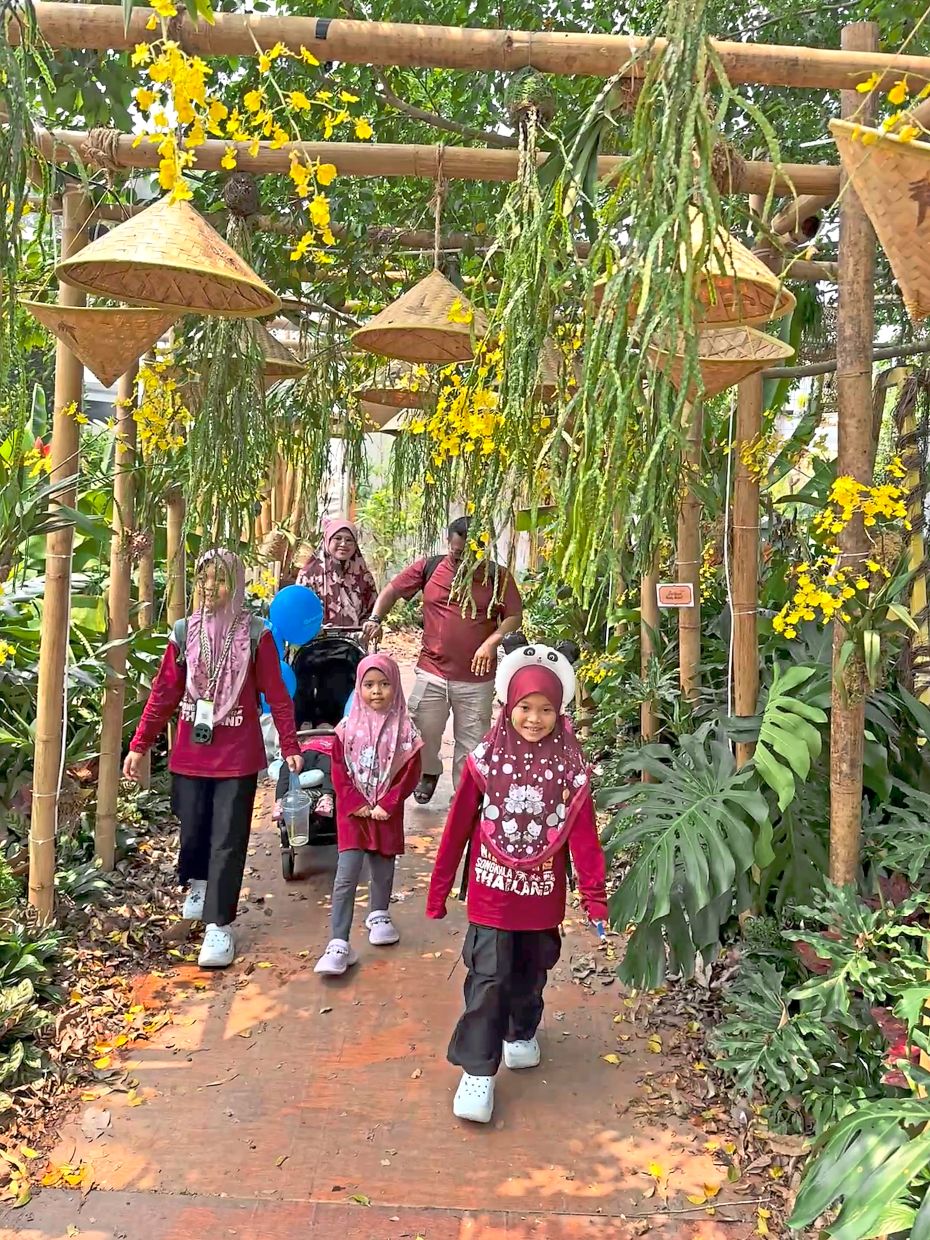
A 30m pathway of oncidiums and tassel ferns was created as a “time tunnel”, leading visitors from the main fairgrounds into the village-themed space.
The display also featured a kampung-style cottage, a herb patch inspired by traditional village kitchens and wooden clogs leading to a warung-style dining area. There was also a petting zoo.
Community and urban gardens were also highlighted at the PWP.
A total of 10 garden communities took part in showcasing their products during the 10-day exhibition, said DBKL’s Local Agenda 21 (LA21) Community Gardens head Che Roziani Mohd Sharif.
Among them were the Sungai Penchala and Sunway SPK Damansara community gardens, which respectively displayed their moringa leaf powder and conducted a live demonstration on making lei cha (Hakka thunder tea rice).
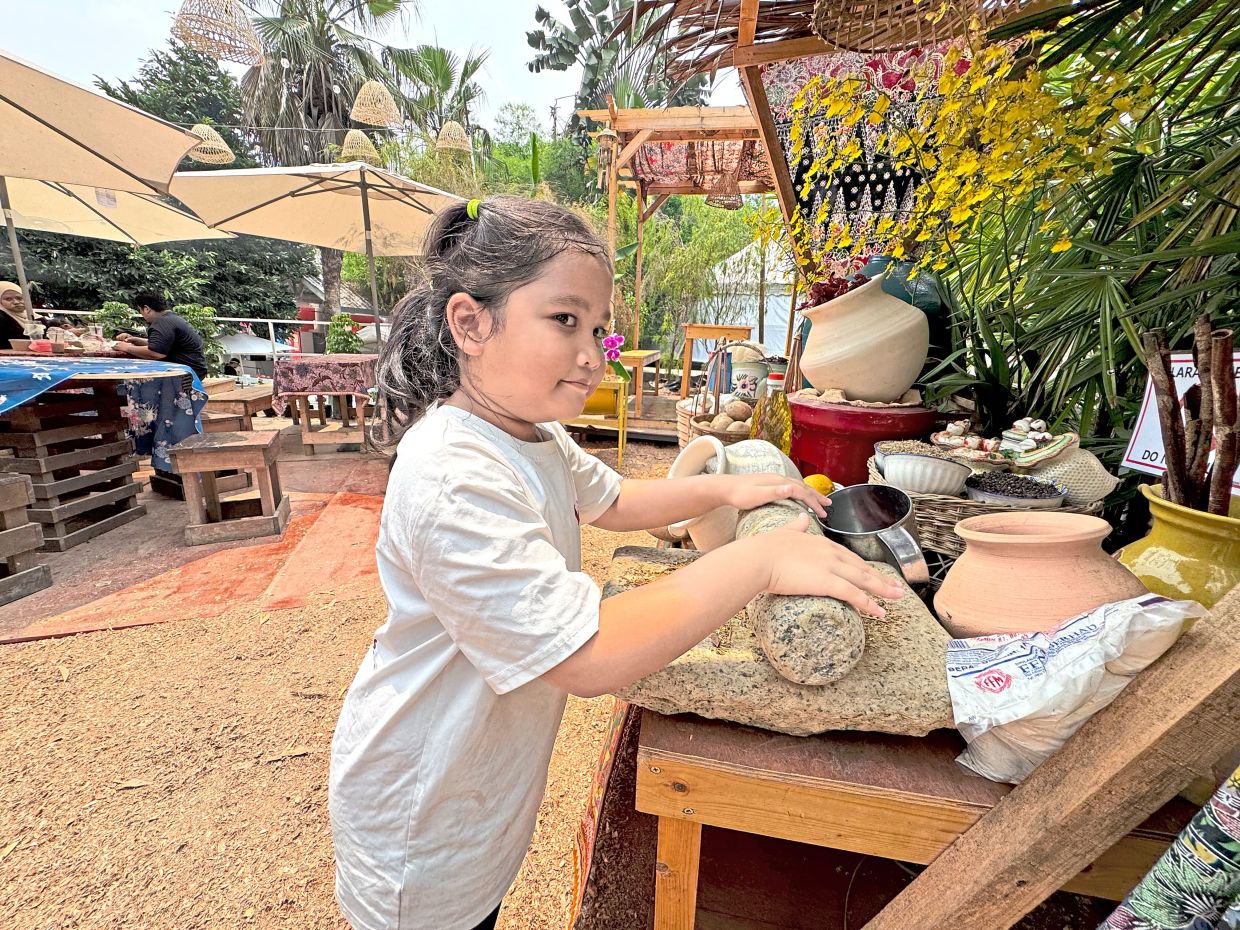
LA21 Kuala Lumpur stakeholder Abdul Ghani Mohamed said the community garden programme, introduced by DBKL in 2005, had developed beyond its initial purpose as a beautification scheme.
“Urban gardens have become a wider community initiative that promotes sustainable living, social interaction and economic activity,” he said.
He added that some communities had moved beyond simply harvesting vegetables by processing fruits and vegetables into end products, with some of these sold at the PWP stalls.
Federal Territories Department director-general Datuk Muhammad Azmi Mohd Zain said JWP was expanding urban agriculture programmes across Kuala Lumpur, Putrajaya and Labuan through a community-led effort.
“We want urban agriculture to be part of the local agenda.
“It is not just about growing vegetables, it is about getting city residents involved in building a greener, healthier and more self-sufficient community,” he said.
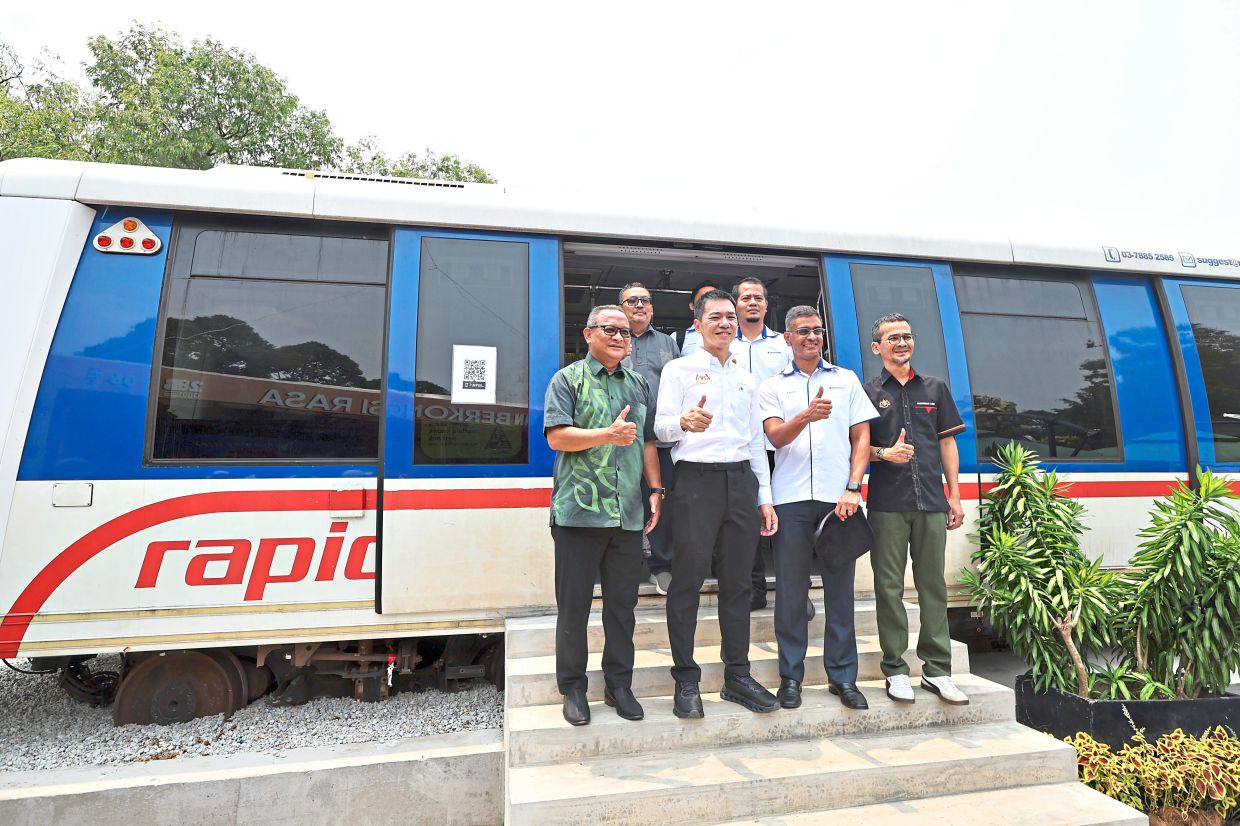
Muhammad Azmi said the initiative supported the “City in a Garden” vision for the three Federal Territories – particularly efforts to increase greenery in Kuala Lumpur.
“More than 300 open spaces in Kuala Lumpur have been gazetted.
“We have plans to develop these areas further into landscaped parks, recreational spaces and jogging routes for residents,” he said.
Muhammad Azmi said communities interested in starting gardens could receive assistance from JWP and partner agencies, including DBKL, Putrajaya Corporation, Labuan Corporation, the Agriculture Department and the Malaysian Agricultural Research and Development Institute.
“We facilitate grants, permissions and technical advice.
“Even in places where there are planting restrictions, we will work with the relevant parties to find suitable solutions for community gardening,” he said.
Deputy Minister in the Prime Minister’s Department (Federal Territories) Datuk Lo Su Fui was the guest of honour.
During his visit, he tried his hand at making apam balik and presented the Federal Territories Madani Aspirational Agrocommunity Awards to the community gardens.
The awards recognised communities and schools that had contributed to the growth of urban agriculture and wider agro-ecosystem in the Federal Territories.
At the awards ceremony, Kebun KRT Taman Setapak Indah collected the community garden category prize, receiving RM7,000, a trophy, hamper and certificate.
Kebun PA Seri Sabah 3A was second, receiving RM5,000, while Kebun Komuniti 3 in Precinct 9 came third with a RM3,000 prize.
For the school garden category, SK Desa Setapak was named champion and received RM5,000.
SK Sentul 1 took second place and RM3,000, while SMK Taman Melati came in third with RM2,000.
Lo was also presented with a melon by Ibrahim Ismail, the teacher in charge of the SK Sentul 1 community garden.
During a media conference, Lo commented on how the agriculture sector had progressed through innovation and modern technology.
“Food security is no longer an issue that can be treated as secondary.
“Current global developments and climate change have shown us the need to ensure that Malaysians have a resilient and sustainable food supply,” he said.
“More importantly, the products showcased here are bred and grown in Malaysia.
“This should give Malaysians confidence and pride in our own capacity to produce quality food,” he added.
