NGO Bando Kita holds monthly arts interventions at historic enclave to bridge heritage, youth and local businesses
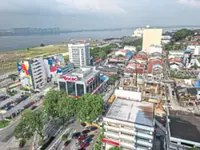
JALAN Dhoby in Johor Baru, once defined by its humble laundry services, is better known today for its hipster cafe culture.
Last Saturday, however, the second floor of a pre-war shophouse along the historic road took on a different role, turning into an open classroom for local arts students.
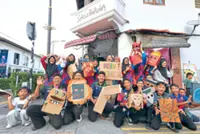
Away from traditional lecture halls, 15 students from Sekolah Seni Malaysia Johor spent the morning working with masks under the guidance of Ghazali Bunari, an artist and senior lecturer at Universiti Teknologi Malaysia (UTM).
As city traffic hummed below, Ghazali moved from one student to another, offering suggestions as they shaped their creations.
The unconventional setting was deliberate. Ghazali, 58, believes art should exist beyond formal institutions and galleries, embedding itself directly into daily urban life.
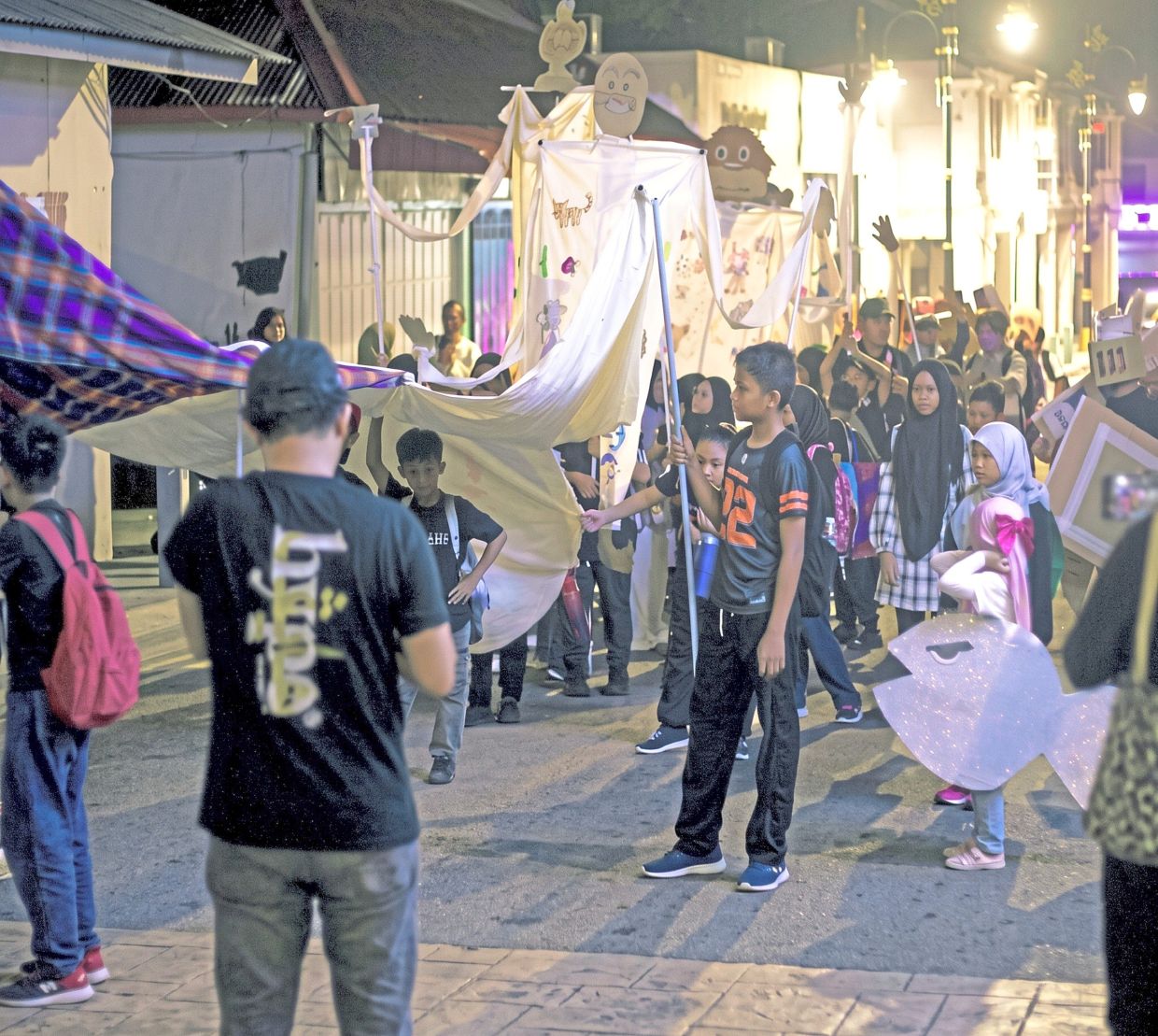
After completing their work, Ghazali and the students walked to Jalan Dato Onn, gathering in an open space outside the Johor Baru High Court about 100m away.
There, they were joined by roughly 200 members of the public for a puppet theatre performance, turning a classroom lesson into an impromptu community gathering.
For Ghazali, bringing students into the public sphere reflects a wider goal for Johor Baru: encouraging residents and visitors to engage with the city rather than merely passing through to shop.
“A city needs spirit. It cannot just be about development. A city must have activities,” Ghazali said.
“It is not enough to have buildings. We need to create something that makes people want to come here and experience the city.”
The event formed part of a broader revitalisation effort led by Kelab Bandar Kita Johor Bahru (Bando Kita), a non-governmental organisation established in 2024, where Ghazali serves as an adviser.
The group aims to use community arts to reactivate historic districts through an initiative called “Dive Into Bando JB: Seni Bersiri” which will bring together local artists, communities, businesses and urban spaces through a series of medium-scale activities.
Revitalising historic spaces
The initiative comes as Johor Baru’s historic core faces familiar urban challenges, including declining foot traffic, commercial pressures on local businesses, and a lack of consistent cultural programming.
Despite the area’s architectural heritage, Ghazali stresses that static history alone is not enough to maintain urban vitality.
“We have the heritage, we have the history, and we have creative people, but we need to connect all these things.
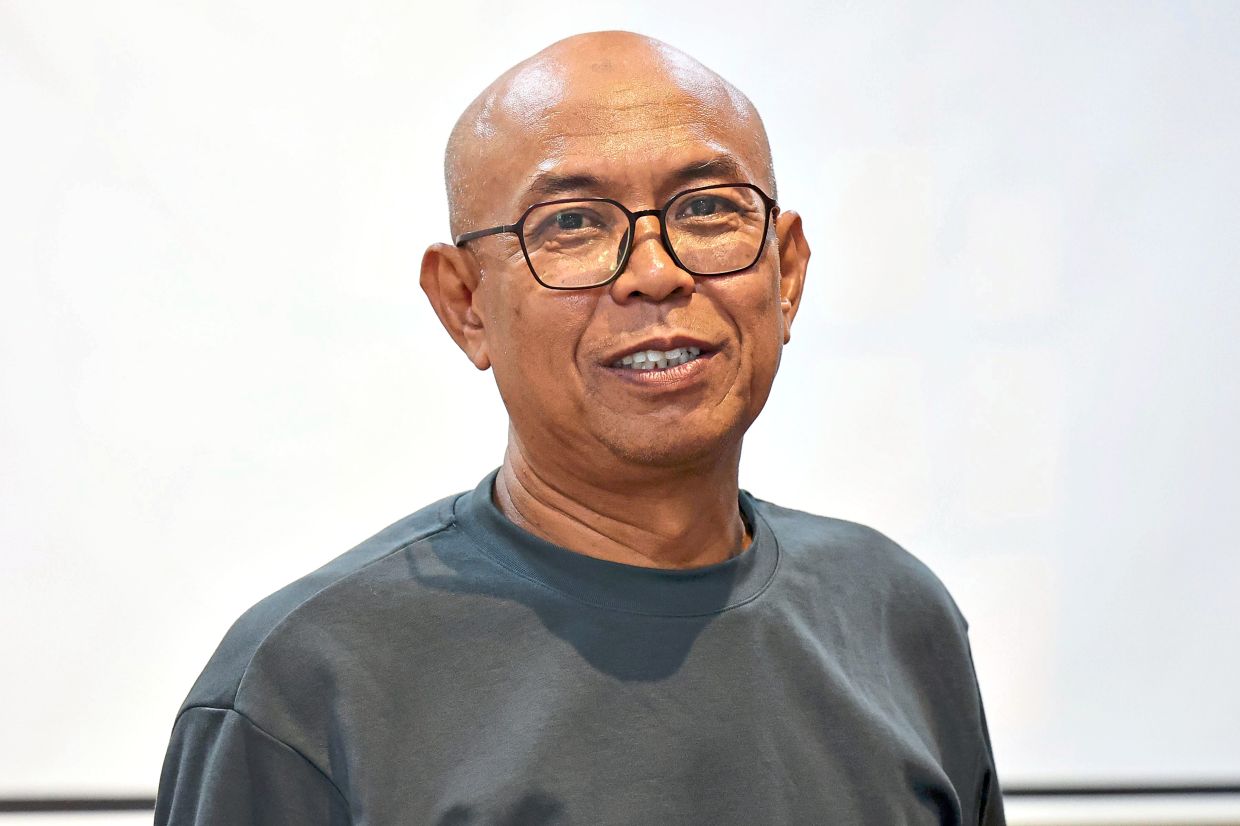
“If we can bring artists, community and businesses together, then the city centre can become a place where people want to spend time.”
Rather than hosting rare, large-scale events that draw temporary crowds before leaving streets empty again, Bando Kita is testing smaller, monthly cultural interventions.
The group organised a street music performance last month and plans to host a film festival in September, alternating between visual arts, puppetry, and live music.
“Every month we want to have something different,” Ghazali added.
“The important thing is that people know there will always be something happening in Johor Baru city. If you only have one big event, people come and then they leave. We want to create a culture where people come back again and again.”
Hands-on community art
Ghazali’s own background as an artist has shaped his approach. Besides painting and producing short films, he has had a longstanding interest in puppetry and became more actively involved after reconnecting with friends who shared the same passion.
He views puppetry as a versatile art form capable of bridging cultures and generations.
“Puppetry is not something that belongs only to the West. In the East, we have many traditions and forms of puppetry.
“What we can do is take this art form and experiment with it in a contemporary way so that young people can connect with it,” said Ghazali.
Hands-on workshops like the Jalan Dhoby mask-making session offer students a chance to learn outside rigid academic settings.
“They are not just learning about art. They are experiencing the city through art,” he added.
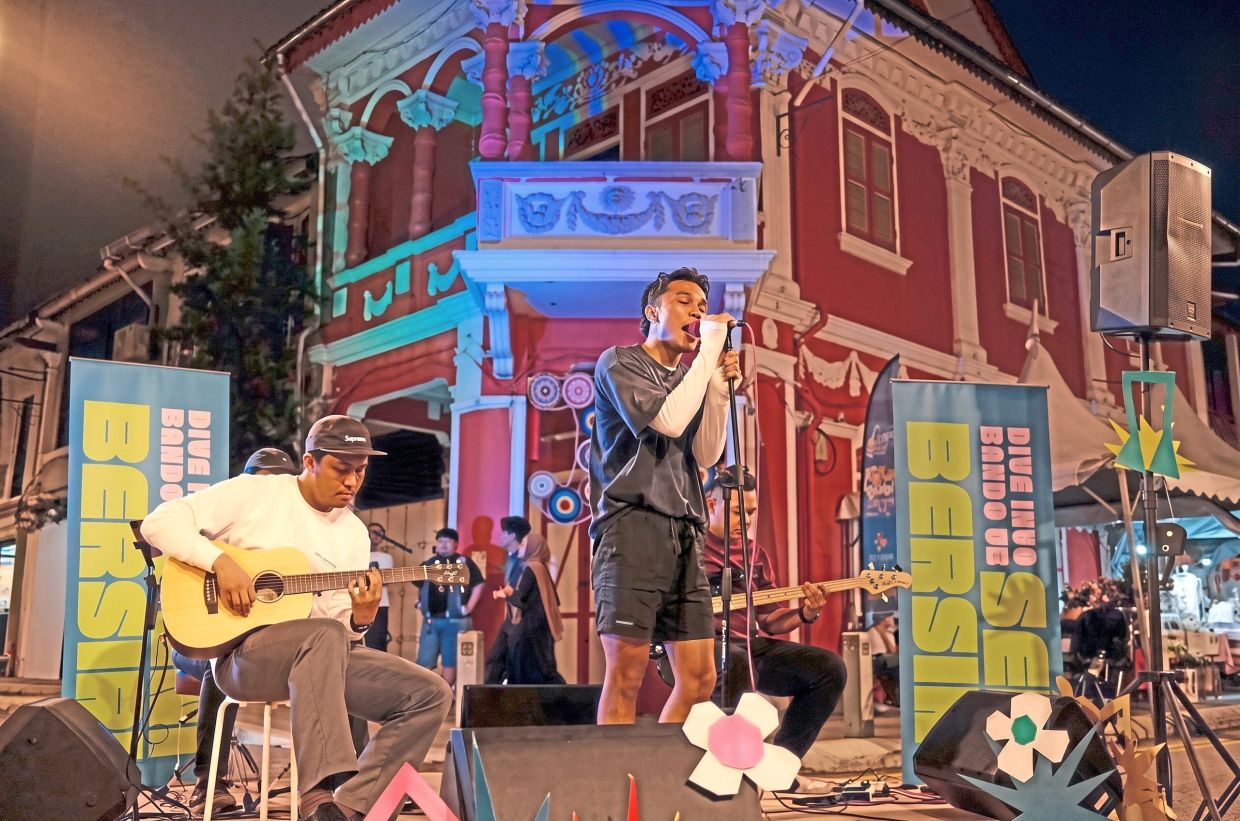
Similar public trials included an appearance at last year’s JB Town Fest parade, as well as smaller workshops designed to invite direct participation from onlookers.
One of its activities attracted about 20 members of the public, alongside students and volunteers, giving the organisers an opportunity to observe how different groups responded to the programme.
“For us, participation is very important. We want people to be involved, not just come and watch,” said Ghazali, who added that engaging audiences actively is key to competing with digital entertainment.
“Social media and games take up a lot of their time,” he said. “So if we want them to come out, we have to give them something interesting, something they can be part of.
“Art can create that experience because you can make something together, talk to people, and meet someone you would not normally meet.”
The movement also aims to integrate commercial operators into events, directing foot traffic past local storefronts to support small businesses.
“If people come for an activity and then walk around the area, they may discover shops that they never knew existed.
“The idea is not just about art. It is also about creating movement and bringing people back into the area.”
Student participation
For students from Sekolah Seni Malaysia Johor, meanwhile, taking part in the arts activities provided an opportunity to experience creative work outside the classroom.
Form One student Nur Dayana Zafira Mohd Faizol, 13, from Skudai, said she enjoyed taking part in the mask-making activity organised by Bando Kita.
“It was fun because we got to make masks. It was a new experience for me and I really enjoyed it,” she said.
Nur Dayana said she also enjoyed working together with other participants and was interested in theatre and the opportunity to take part in a parade.
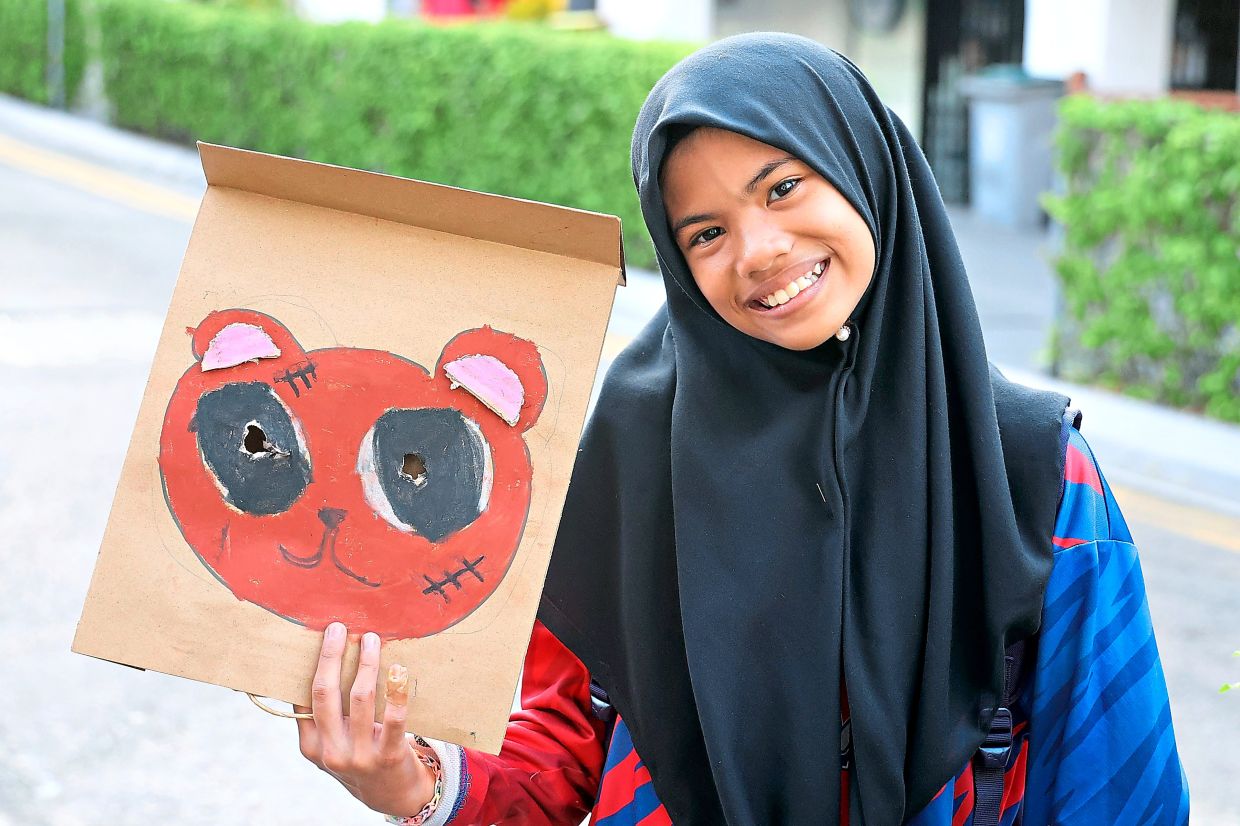
“I like working together with others, and I enjoy art and theatre. Taking part in a parade is also something I find interesting,” she said.
Form Three student Imran Hailmy Mustafakamal, 15, said the activity allowed him to explore another side of theatre and visual arts.
He recalled taking part in an activity involving a giant figure last year, while this year’s project involved creating an animal- themed piece within a limited timeframe.
Imran said his interest in the performing arts had grown after being exposed to different aspects of theatre, including acting and technical work.
“I have been exposed to different parts of theatre, from acting to the technical side. I realised that there are many different aspects and genres in theatre, and that makes it interesting,” he said.
Cultivating lasting change
Sustaining regular urban programming requires funding and organisational backing.
Bando Kita is currently reaching out to local authorities, including the Johor Baru City Council (MBJB), alongside business owners and volunteers.
Ghazali remains realistic about the pace of urban regeneration and reviving the city centre, stating that lasting change relies on grassroots participation and shared ownership across sector lines.
“We cannot do this by ourselves. We need the artists, businesses, local authorities, schools, and the community.
“If everybody plays a small role, then slowly we can see a change,” he said.
When contacted, state unity, heritage and culture committee chairman P. Pannir Selvam emphasised that urban development should not focus solely on infrastructure, but must also preserve and highlight a place’s identity, history, culture, and heritage.
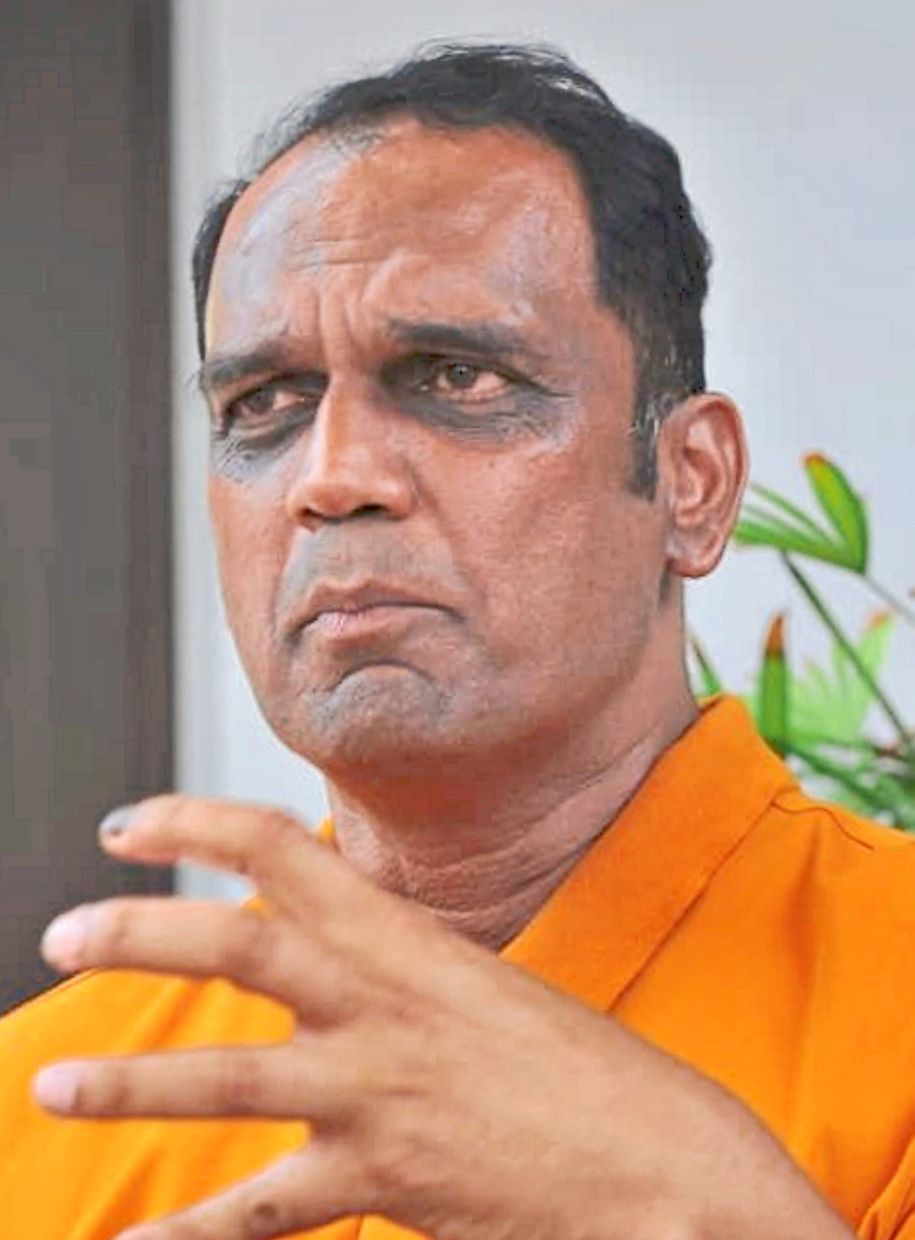
The Perling assemblyman said this was vital to ensure rapid development would not erode Johor Baru’s core character, citing the recent upgrading of the Zero Kilometre (0KM Johor Baru) landmark as a key example of heritage-conscious urban improvement.
“I see efforts to beautify and upgrade areas such as this as important in shaping the face of Johor Baru,” Pannir Selvam told StarMetro, noting that the completed works had made the site neater, more attractive and better organised.
He noted that such initiatives aligned with Johor Mentri Besar Datuk Onn Hafiz Ghazi’s vision to transform Johor into a developed, clean and prosperous state without sacrificing the heritage that defined Bangsa Johor.
“Let us continue working together to make Johor Baru not only a modern city, but also one with identity and culture, rich in heritage and an increasingly attractive tourism destination,” he said.
City finding its rhythm
Ultimately, both state leaders and community organisers share the goal of helping the heritage area develop a distinct identity where culture can be experienced regularly.
For Bando Kita, the initiative aims to build a predictable rhythm for cultural life in Johor Baru’s core, ensuring heritage streets remain functional, active public places.
“We want people to come and say, ‘There is something happening in Johor Baru city today. Let’s go there.
“Hopefully, after some time, the city centre will have its own rhythm. People will know that something is always happening here,” said Ghazali.
“Development is important, but development alone is not enough.
“A city needs a soul. It needs people, activities, and culture. That is what gives the city its spirit,” he added.