At the far end of Kampung Bendang Bukit, Pendang in Kedah, is a village that allows visitors to go back in time to the Malay Sultanate.
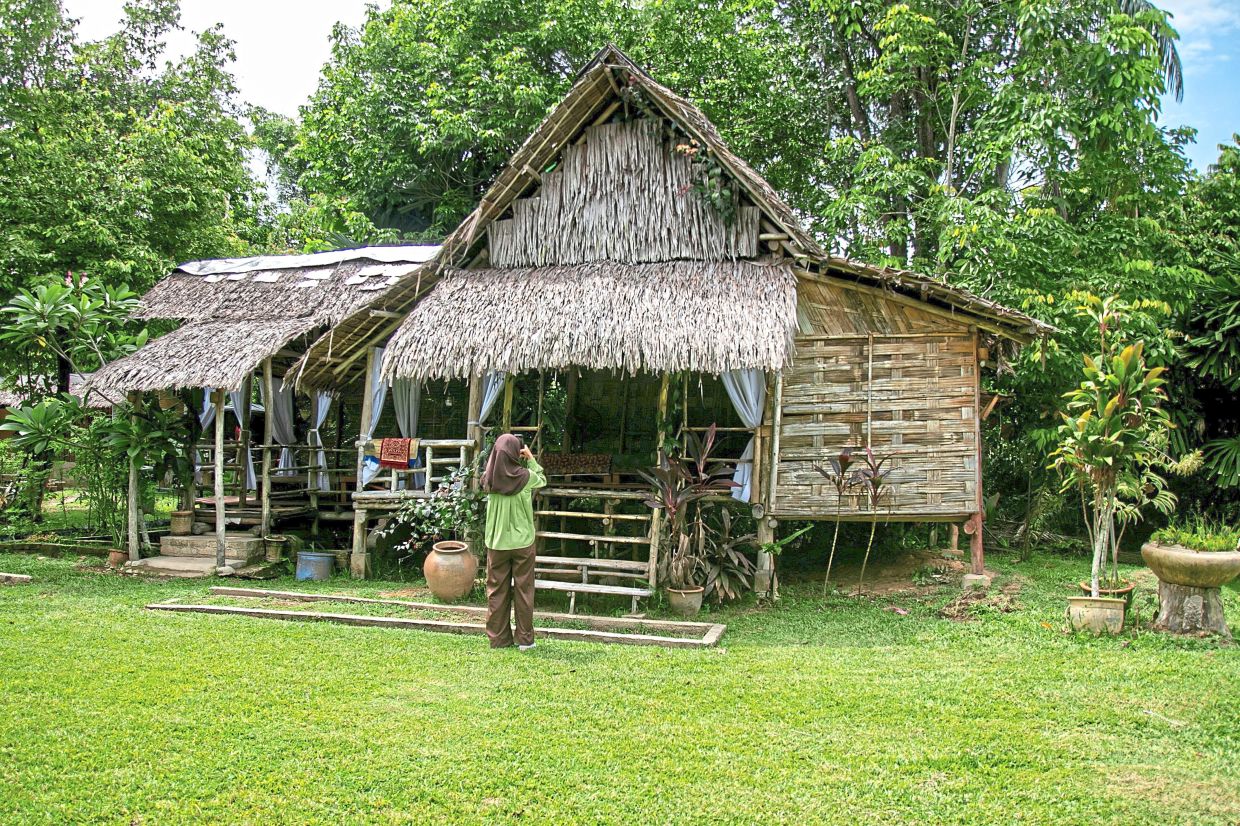
Built to resemble a 15th-century village, Kampung Adat Melayu Seri Banian was deliberately constructed to appear weathered and free from modern elements, to recreate the atmosphere of a traditional Malay settlement.
Its founder, Akhiri Rijalludin, said the idea of developing the heritage village stemmed from his travels as a silat instructor to several regions in Indonesia, the Philippines and Thailand, where traditional villages had been established to preserve the cultural heritage of local communities.
He said seeing such communities maintain their cultural identities inspired him to adapt a similar concept in Malaysia.
The project took nearly two years, he told Bernama during the “Surreal Experience in the North Kedah & Perlis” programme organised by Tourism Malaysia (Northern Region).
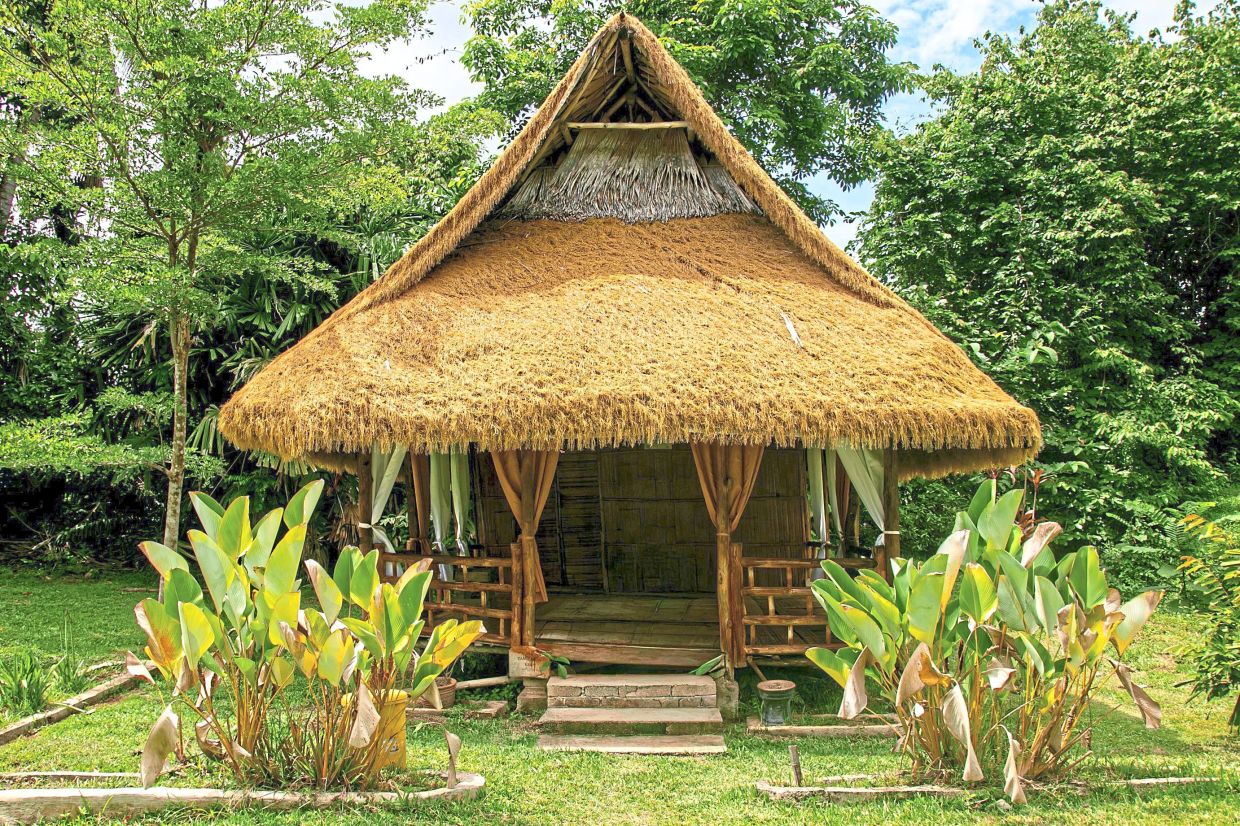
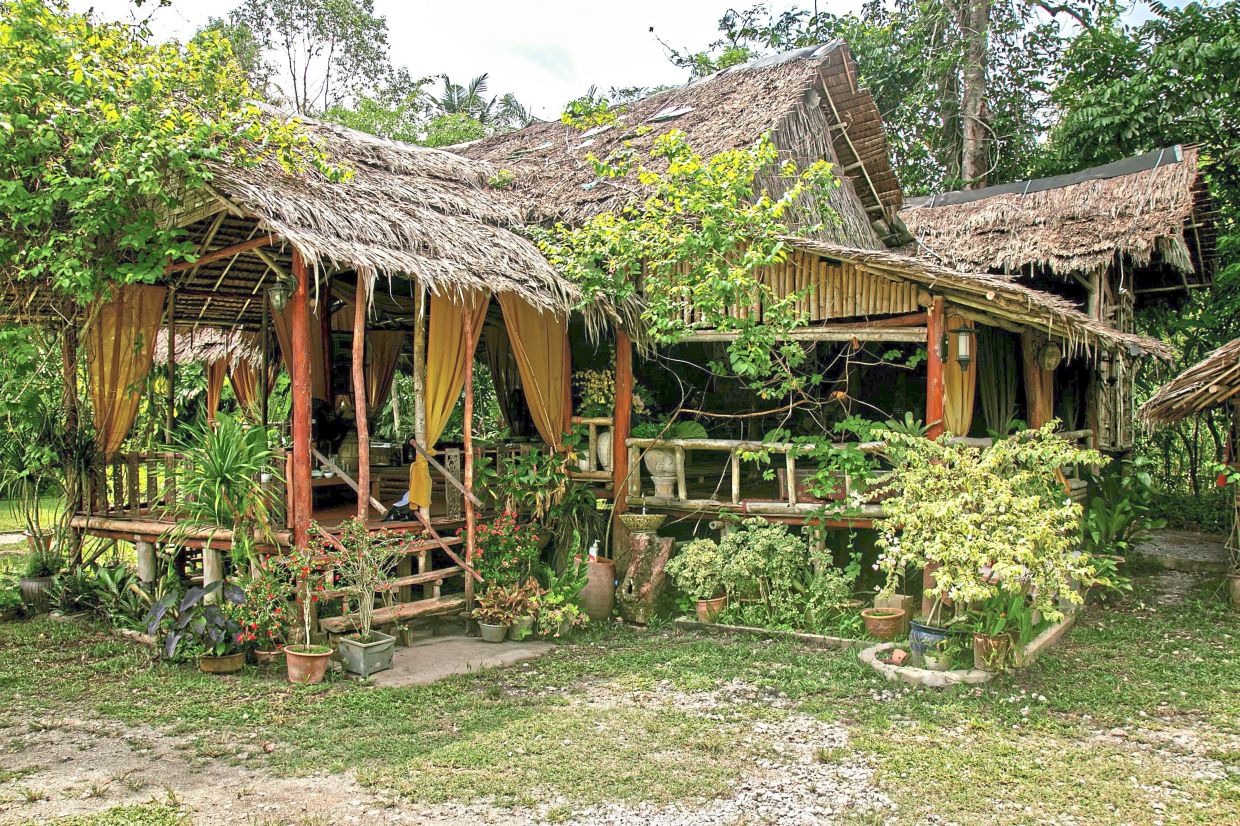
He said Kampung Adat Melayu Seri Banian began development in 2019 on a 1.62ha plot owned by his foster father, using natural building materials such as bamboo, forest timber, cenderai wood and nipah palm leaves.
“To date, development has covered only about 10% of the entire area, with expenditure estimated at between RM500,000 and RM600,000.
“We currently have five traditional houses and a pond, and plan to build a Princess Bathing Pool, Prince Bathing Pool, royal audience hall, nobat hall, weaving activity area and small palace to complete the depiction of a traditional Malay village.
Akhiri, who has also served as a judge in regional traditional cooking competitions, said the name Seri Banian was inspired by the local community who mostly speak Thai.
“The word seri means radiant, while ban in Thai means village, and nian refers to a green, beautiful and peaceful environment.
“The name symbolises a tranquil village.
“I want this place to be a space where people can learn about Malay culture and the local community,” he said.
Apart from showcasing traditional architecture, Kampung Adat Melayu Seri Banian also serves as a venue for various cultural activities, including silat performances, singing, dancing and traditional music, especially during school holidays, organised by members of the Seri Banian Ukhwah Association.
To enhance visitor experience, the village also offers a variety of traditional dishes prepared using family recipes that have been passed down through the generations.
Akhiri said his family kept an old cookbook containing about 300 ancestral recipes, with 121 of the 473 dishes currently in their collection being served to visitors.
“Among the favourite dishes are arnab rica-rica (spicy rabbit), grilled quail, ayam sembah diraja (royal ceremonial chicken), roast duck rice, Seri Banian satay, sate anta brahi, ayam panggang anta kesuma and Seri Banian glutinous rice, all prepared according to our family’s traditional recipes,” he said.
Although it is located some distance from major routes, the heritage village has attracted tourists from countries like France, New Zealand, Russia, South Korea, Libya and Thailand.
For Akhiri, the village is more than just a tourist destination; it serves as a platform to reintroduce Malay customs, culture and way of life to the younger generation.
“If we do not preserve this culture, it may eventually exist only in books.
“I want people to come and see for themselves how the Malay community lived in the past so that this heritage continues to be appreciated,” he said.
Kampung Adat Melayu Seri Banian is open to visitors every Friday, Saturday and Sunday.