
The row of old shophouses that defines Kampung Cina in Kuala Terengganu is becoming increasingly quiet as most of its residents are senior citizens.
Over time, its younger generations moved outside of Terengganu in search of better job opportunities.
Despite the demographic shift, the ethnic Chinese enclave that is over 300 years old has strong potential as a heritage tourism destination.
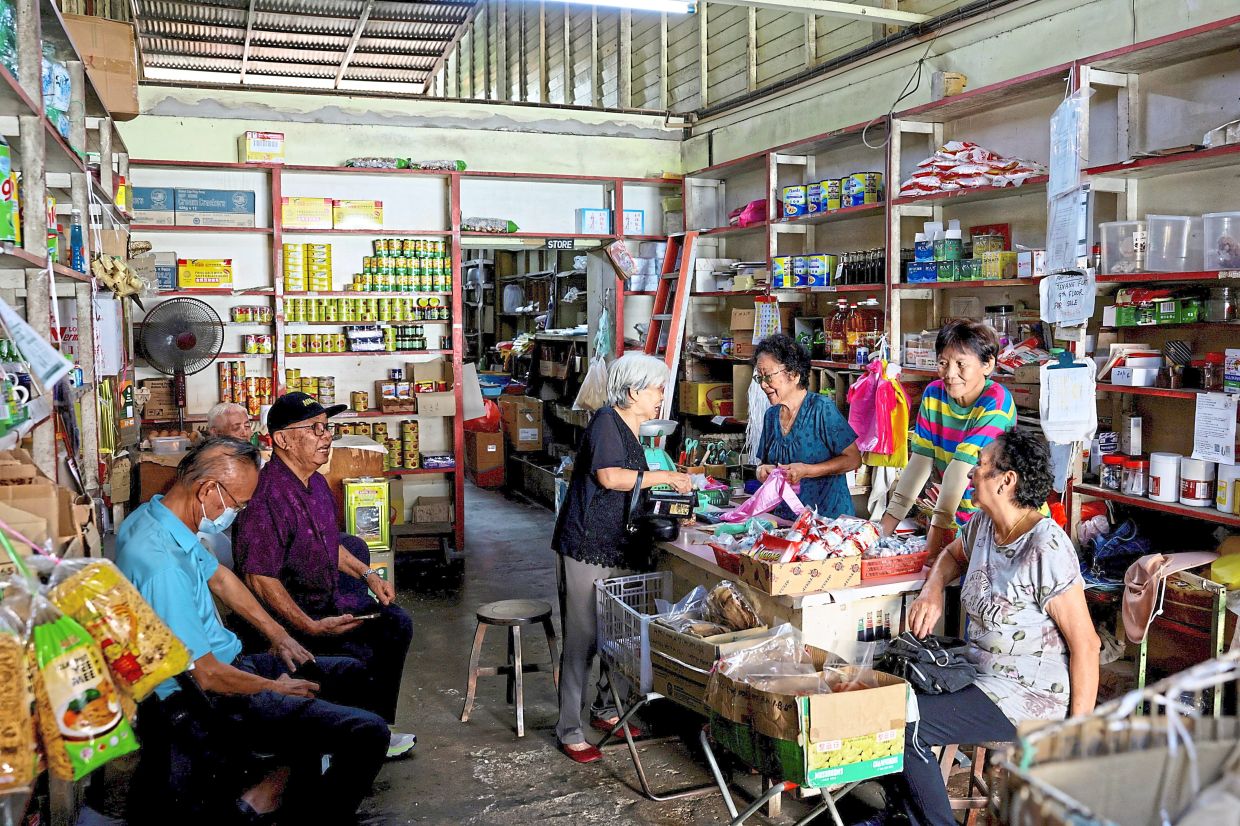
Kampung Cina community representative and researcher Lorenz Law said the settlement was believed to have been established by migrants from the Hokkien-speaking region of southern China, who arrived in the 17th century in search of a new life.
“By the 18th century, Kampung Cina had grown into an important trading hub due to the presence of merchants from various countries, including India, China, Vietnam and Thailand,” he told Bernama.

The settlement is renowned for its rows of two-storey shophouses featuring Chinese architecture dating back to the 19th century, with many buildings still retaining their original features.
Law said the enclave also reflected the unique identity of the Peranakan Chinese community, which continues to use the Terengganu dialect and practise local customs in daily life.
According to him, the population is estimated at about 1,500, with many elderly residents.
“If this trend continues, the area may become even quieter within the next decade.”

He said conservation efforts had been undertaken since 2004 through building restoration and infrastructure upgrades, including construction of a 1km pedestrian walkway.
According to him, the area’s distinctive architecture reflected regional and European influences, contributing to its heritage appeal.
Kampung Cina is also known for its Peranakan Chinese culture, particularly its cuisine and lifestyle, which have been shaped by long-standing interactions with the Malay community.
“Most of the Chinese community here enjoy local dishes such as nasi dagang, nasi lemak and nasi minyak, while some traditional practices closely resemble those of the Malays,” Law said.
He said sustained conservation and promotional efforts could position the area as an international destination for heritage tourism.
Tailor Gau Mekhua, 73, continues to operate her decades-old business despite her advancing age and growing competition from ready-made clothing retailers.
“Orders are not as high as before, but long-time customers still come because they trust the quality of my work,” she said.
Hardware and household goods trader Phua Siong Khoon, 68, said traditional businesses faced mounting challenges from supermarkets and online shopping platforms.
He said customer numbers had declined over the years, but he continued operating the shop because it had been part of his life since his youth.
“It is certainly difficult now to compete with larger stores because they offer a wider selection and lower prices, but I continue because I am accustomed to this work and have loyal customers.”
Grocery store owner Ma Suat Ngo, 86, said many long-established businesses had disappeared, but she was pleased that her shop could continue to offer convenience to local residents.
“If no one takes over this business, perhaps one day, old grocery shops like this will exist only as a memory in Kampung Cina,” Ma said.