On JUNE 20, 2006, Petaling Jaya marked a historic milestone when Datuk Ahmad Termizi Puteh took office as the city’s first mayor.
In January 2013, Datin Paduka Alinah Ahmad broke administrative glass ceilings as Malaysia’s first woman mayor.
Both have deep roots in state administration – Ahmad Termizi as former Selangor Land and Mines Office director, and Alinah as former Selangor Housing and Property Board chief.
“To be honest, I had no grand long-term vision back then,” said Ahmad Termizi.
“There was just a lot of practical work to be done on the ground, involving basic services like rubbish collection, fixing roads and clearing drains.
“The goal was to make everyday life easier and better for Petaling Jaya residents.”
He said Petaling Jaya was planned as a satellite town in the early 1950s, but by the late 1990s and early 2000s, many manufacturers had relocated to competing regional markets.
“What we have today in areas such as Petaling Jaya Old Town, New Town and several mature neighbourhoods is a large ageing population whose children have moved away, leaving their senior parents behind,” he said.

“While some now live in high-rise developments, we need to create dedicated spaces for senior citizens, complete with activity centres and amenities that cater to their needs.”
Ahmad Termizi said much of the city’s infrastructure, including roads, retaining walls and drains, was built in the 1960s and 1970s.
“Auditing and upgrading them takes years, substantial funding and meticulous planning,” he said.
Ahmad Termizi added that MBPJ must work closely with registered engineering consultants to address these challenges.
“If MBPJ’s in-house engineers are unable to handle certain issues, collaboration and coordination with external consultants and the relevant government agencies can help resolve complex technical problems,” he said.
Ahmad Termizi said persistent neighbourhood problems, including illegal parking and rubbish dumping, highlight the need for MBPJ to step up its enforcement efforts.
Meanwhile, Alinah is deeply honoured to have been part of Petaling Jaya’s journey as it celebrates 20 years as a city.
“I hoped my appointment showed that leadership is ultimately defined by capability, integrity, dedication and service, regardless of gender,” she said.
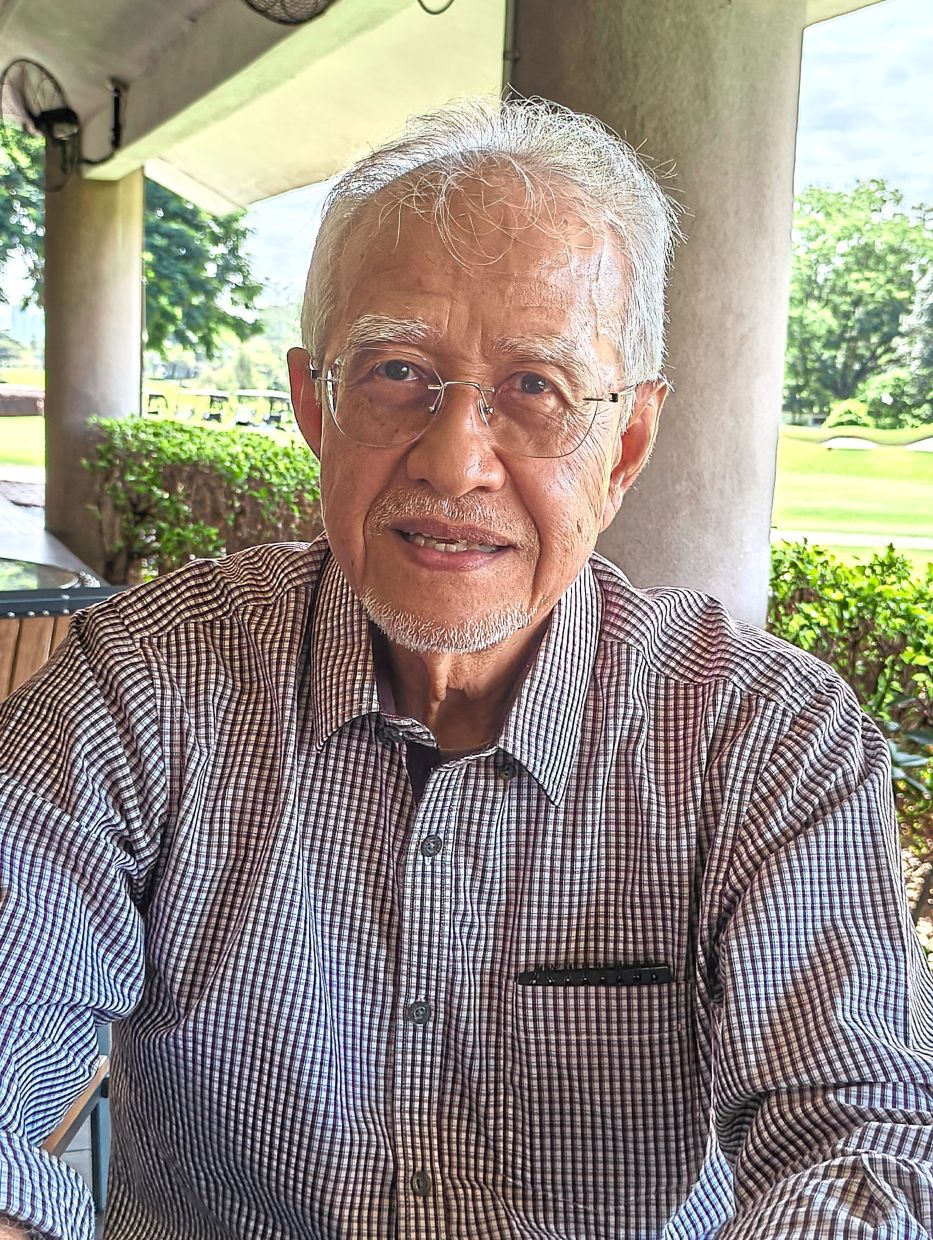
“The people of Petaling Jaya are highly engaged, civic-minded and passionate about their city.
“Residents care deeply about issues affecting the city, from development and traffic management to environmental sustainability, cleanliness, public safety and amenities.
“While this translates into high expectations of the city council, it also reflects the maturity, resilience and strong community spirit that define Petaling Jaya.”
Alinah said during her tenure, her administration focused on improving the quality of urban living and strengthening public service delivery.
“Petaling Jaya is a mature and rapidly developing urban centre, so one of the key challenges is ensuring that growth remains balanced with liveability and environmental concerns.
“Traffic congestion, infrastructure demands and the preservation of green spaces are ongoing challenges, but they are obstacles faced by all modern cities undergoing rapid urbanisation,” said Alinah.
The Petaling Jaya one-way-loop (OWL) traffic system, introduced between 2012 and 2014, was initiated during Alinah’s tenure.
“Looking back today, I feel proud to see how much Petaling Jaya has evolved over the past two decades,” she said.
“Despite its growth and modernisation, Petaling Jaya has retained its strong sense of community and civic consciousness.
“That spirit has always been one of the city’s greatest strengths.”
Alinah added that a city’s progress was never the work of one individual alone, but was built collectively through shared commitment, cooperation, and vision.